
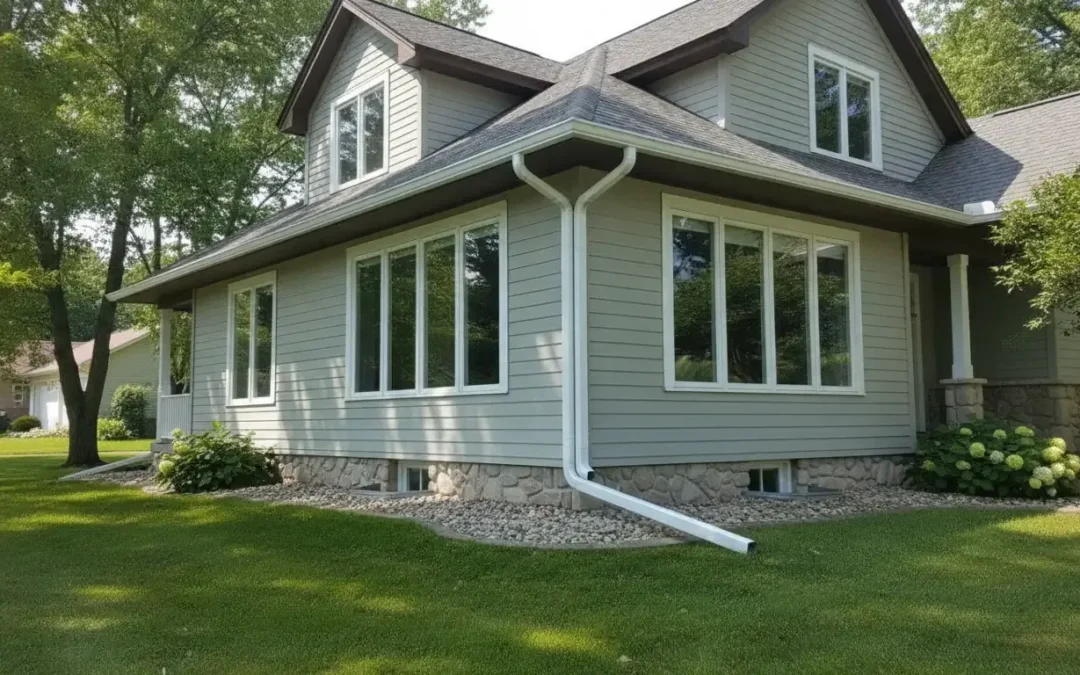
Here in Michigan, our homes have to stand up to some serious weather. From heavy snowfalls to spring downpours, a reliable gutter system isn’t a luxury; it’s a necessity. Vinyl gutters are a popular choice for their rust-proof nature and accessible price point, but getting a clear idea of the final cost can be tricky. National averages don’t always reflect local realities. That’s why we’re breaking down the vinyl gutter installation cost specifically for homeowners in our area. We’ll cover everything from material choices to how our unique climate impacts durability, giving you the information you need to protect your home effectively.
Key Takeaways
- Know Your Total Investment: A complete vinyl gutter installation typically costs between $1,979 and $14,560. The final price depends on your home’s size, roof complexity, local labor rates, and any extra work needed, like repairing the fascia board.
- Choose the Right Material for Michigan Weather: Vinyl is a great rust-proof choice for your budget, but it can become brittle in the cold. For a similar price, consider aluminum, which offers better resilience against our state’s heavy snow and ice.
- Hire a Pro for a Flawless Installation: A DIY job is tempting, but professional installation is critical for preventing leaks and water damage. A pro guarantees the correct slope for water flow and can spot hidden issues, protecting your home from more expensive problems later on.
What Are Vinyl Gutters?
If you’re looking for a practical and wallet-friendly way to protect your home from water damage, vinyl gutters are an excellent choice. Think of them as the hardworking, low-maintenance option in the world of rainwater management. Made from PVC plastic, vinyl gutters are naturally rust-proof and corrosion-resistant, which is a huge plus given Michigan’s wet seasons. They are also incredibly lightweight, making the installation process quicker and more straightforward than with heavier metal alternatives.
One of the biggest draws for homeowners is their affordability. Vinyl gutters are a budget-friendly choice that still effectively channels water away from your foundation, siding, and landscaping. Because the color is baked into the material itself, you won’t have to worry about paint chipping or scratching over time. They come in sectional pieces that snap together easily, though you can also find seamless options. While they may not have the same longevity as copper or steel, modern vinyl systems are durable and designed to withstand the elements for years. For many homeowners, they represent the perfect balance of performance, cost, and ease of maintenance for their gutter systems.
Breaking Down the Styles: K-Style, Half-Round, and Seamless
When you start shopping for gutters, you’ll hear terms like “K-style” and “half-round.” These gutter styles simply describe the shape and design of the gutter channel. K-style gutters are by far the most popular choice for homes across the country. Their decorative front edge resembles interior crown molding, and they have a flat back that sits flush against the fascia board, making for a simple and secure installation. Half-round gutters have a U-shape, offering a more traditional or historic look that complements certain architectural styles. You’ll also encounter seamless gutters, which are custom-formed on-site to the exact dimensions of your home, minimizing joints and potential leak points.
Does Gutter Style Affect the Price?
Yes, the style you choose definitely plays a role in the final cost. The price of new gutters changes based on the material they are made from and the type of gutter system you choose. For vinyl, K-style gutters are generally the most cost-effective because they are so widely produced. Half-round styles can be a bit more expensive due to their shape and the specialized hardware they sometimes require. According to industry data, vinyl gutter materials cost about $6.33 to $32.40 per foot. On top of that, you can expect labor to add another $3.25 to $15.75 per foot. This range accounts for the style, your home’s specific needs, and local labor rates.
What’s the Average Cost to Install Vinyl Gutters?
Figuring out a budget for a home project can feel like a moving target, but when it comes to vinyl gutters, we can break down the numbers to give you a clear picture. The total price tag for your new gutter system will depend on a few key things: the size of your home, the specific materials you choose, and the labor involved. Think of it as a simple equation: materials + labor = your total investment.
To help you plan, we’ve gathered some national averages for vinyl gutter installation. Keep in mind that these are just starting points. Costs can vary based on your specific location here in Michigan and the unique layout of your home. The best way to get a precise number is to get a detailed quote from a local professional who can assess your property in person. A trusted gutter installation company can provide an estimate tailored to your home’s exact needs.
The Price Per Linear Foot
When you see costs for gutters, they are almost always priced “per linear foot.” This is just the total length of gutter material needed to run along the edges of your roof. For vinyl gutter materials alone, you can expect to see prices ranging from about $6.33 to $32.40 per linear foot. That’s a pretty wide range, right? The difference comes down to the quality and thickness of the vinyl, the style you choose, and even the brand. A thicker, more durable vinyl will be at the higher end of that scale, but it will also stand up better to Michigan’s weather for years to come.
Estimating Your Total Project Cost
So, what does that look like for a whole project? When you factor in both materials and professional installation, the total cost for vinyl gutters typically falls between $1,979 and $14,560. According to home improvement data, most homeowners land somewhere in the middle, paying an average of around $7,307 for a complete installation. This estimate covers getting the materials to your home and having a skilled team securely install the new system. The final number depends heavily on the size of your house and the complexity of your roofline, which is why getting a custom quote is so important for accurate budget planning.
What Goes Into Labor Costs?
The cost of labor is a significant part of your total estimate, and for good reason. Proper installation is what makes your gutter system work effectively. Labor for vinyl gutter installation typically adds $3.25 to $15.75 per linear foot to your project cost. This fee covers the expertise of the installation crew, who ensure your gutters are pitched correctly for proper water flow and securely attached to your home. Factors like the height of your house (a two-story home is more complex than a ranch), the steepness of your roof, and ease of access to the work area all influence the final labor cost.
Don’t Forget Contractor Fees
If your gutter replacement is part of a larger home renovation, you might be working with a general contractor to oversee everything. In these cases, it’s common for the contractor to add a fee for managing the project, which can range from 13% to 22% of the total cost. This fee covers their time for scheduling subcontractors and ensuring the job runs smoothly. However, if you hire a specialized company like Signature Home Pros directly for your gutter project, you often work with one team from start to finish, which can simplify the process and the pricing structure.
What Factors Influence the Final Cost?
Getting a quote for a gutter installation is more personal than you might think. While average costs provide a helpful baseline, the final price on your contract will come down to the specific details of your home and the project itself. Think of it like tailoring a suit; the final fit and finish depend on precise measurements and your choice of fabric. Several key factors will shape your total investment, from the size and complexity of your roofline to the time of year you schedule the work.
Understanding these variables helps you see exactly where your money is going and allows you to have a more informed conversation with your contractor. When you get a quote from a professional, they are not just pulling a number out of thin air. They are carefully calculating material needs, labor hours, and the unique challenges your home presents. Let’s walk through the main factors that will influence the cost of your new vinyl gutters. By the end, you’ll have a much clearer picture of what to expect and what questions to ask.
Your Home’s Size and Layout
It makes sense that the biggest factor in your total cost is the size of your house. The price of gutters is calculated per linear foot, so a larger home with a longer roof perimeter will naturally require more material and a higher budget. But it’s not just about total size; the complexity of your home’s layout plays a huge role, too. A simple, rectangular ranch-style home is straightforward, but a house with multiple gables, corners, and varying roof levels requires more cuts, joints, and custom fittings. Each corner piece and end cap adds to the material cost, and the extra labor needed to seal these joints properly also contributes to the final price.
Gutter Style and Profile
Not all vinyl gutters are created equal. The style you choose affects both the look of your home and the project’s cost. The two most common profiles are K-style and half-round. K-style gutters have a flat back and a decorative front, resembling crown molding, and are the standard for most modern homes. Half-round gutters offer a more traditional, semi-circular look that complements older or historic houses. Generally, K-style gutters are more affordable and easier to install. The types of gutters you select will also determine how efficiently the system moves water away from your home, so it’s a decision that impacts both aesthetics and function.
How Your Location Affects Labor Rates
Where you live has a direct impact on your installation costs. As one homeowner on Reddit noted, “The price to replace gutters and downspouts can be very different depending on where you live.” Labor rates vary based on regional economic factors, the local cost of living, and market demand. In Flushing, Michigan, the rates will be different from those in a major metropolitan area. Working with a local, family-owned business means you get a quote that reflects fair local pricing, not an inflated national average. A local contractor understands the market and can provide a realistic estimate based on their experience in the community.
The Pitch and Accessibility of Your Roof
The complexity of the job itself is a major cost factor. A single-story home with a low-pitched, easily walkable roof is the simplest scenario. However, if you have a two or three-story house or a roof with a steep pitch, the job becomes more difficult and dangerous for the installation crew. This increased risk and the need for additional safety equipment, like harnesses and specialized ladders, will translate to higher labor costs. Obstacles around your home, such as extensive landscaping, decks, or patios that are difficult to work around, can also add to the time and effort required, which will be reflected in your quote.
Does the Season Matter?
Timing your project can sometimes work in your favor. The busiest seasons for exterior contractors are typically late spring, summer, and early fall, when the weather is most reliable. During these peak times, demand is high, and you may find that prices are slightly higher or that you have to wait longer for an appointment. If your project is not urgent, scheduling it during the off-season, like late winter or early spring, could potentially save you some money. As one person suggested, “If you can wait, an early spring installation might get you a better deal.” Just be aware that winter weather can introduce its own delays and challenges.
Are There Hidden Costs to Plan For?
Getting a quote for your new vinyl gutters is a great first step, but it’s smart to know what other expenses might pop up. A thorough contractor will walk you through a detailed estimate, but not all quotes are created equal. Some potential costs aren’t always included in the initial price, and being aware of them can help you budget more accurately and avoid surprises down the line.
Think of it like this: the main quote covers the gutters and the basic installation, but what if your house needs a little extra prep work first? Or what about the administrative details like permits? These are the kinds of things that can add to the final bill. A trustworthy professional will be upfront about these possibilities from the start. At Signature Home Pros, we believe in total transparency, so you know exactly what to expect. Let’s break down some of the most common “hidden” costs so you can feel fully prepared for your gutter project.
Removing and Disposing of Old Gutters
Before your beautiful new vinyl gutters can go up, the old ones have to come down. The process of removing and disposing of your existing gutter system isn’t always included in a standard installation quote. This task requires labor and a plan for responsible disposal, which can add to your project’s total cost. To avoid a surprise on your final invoice, it’s a good idea to ask your contractor if removal and disposal fees are part of their initial estimate. A clear, itemized quote will specify this, ensuring you have a complete picture of the investment from the very beginning.
What If Your Fascia Board Needs Repair?
The fascia is the long, straight board that runs along the lower edge of your roof, and it’s what your gutters are mounted to. If your current gutters have been leaking, there’s a chance the fascia has suffered from water damage, rot, or pests. Installing new gutters on a compromised fascia board is a recipe for problems. A professional installer will inspect the fascia first. If they find any damage, you will likely need to pay for fascia repair or replacement before the new gutters can be installed, which is an additional but necessary expense to ensure a secure and long-lasting installation.
Factoring in Permits and Sales Tax
Depending on where you live in Michigan, your gutter installation project might require a building permit. The cost of permits, along with local sales tax, can sometimes be left out of an initial estimate. These are small but important details that contribute to the final price. A reputable contractor will know the local regulations and can handle the permit application process for you, but the fee itself will be part of your project’s cost. Always confirm with your contractor if their quote is all-inclusive or if you should set aside extra funds for these taxes and fees.
Adding Downspouts and Extensions
A gutter system is more than just the horizontal channels; it needs downspouts to guide water safely away from your home’s foundation. The number of downspouts your home requires depends on its size and roof layout. Each downspout and any necessary extensions add to the material and labor costs. According to some estimates, each vinyl downspout costs about $82 to $150 to install, and most homes need at least two. Make sure your quote specifies the number of downspouts included in the price so you can accurately budget for a complete and effective water management system.
The Extra Cost of a Rush Job
Life happens, and sometimes you need a project completed on a tight timeline. If you need your gutters replaced urgently, perhaps due to unexpected damage, be prepared for potential rush charges. Expedited service often requires contractors to adjust their schedules or bring in additional skilled workers, which can increase labor costs. Planning your gutter replacement in advance is the best way to avoid these fees. However, if you’re in a pinch, discuss the timeline with your contractor upfront to understand any extra charges for a rush job that may apply.
Vinyl vs. Other Materials: A Cost Comparison
Choosing a gutter material can feel like a big decision, but it really comes down to balancing your budget, durability needs, and the look you want for your home. While vinyl is known for being budget-friendly, it’s smart to see how it stacks up against other popular options. Materials like aluminum, steel, and copper each have their own price points and benefits. Thinking about factors like our tough Michigan winters and your long-term plans for your home will help you pick the perfect fit for your gutters.
Vinyl vs. Aluminum
When it comes to cost, vinyl and aluminum are often in a close race. While vinyl material is typically the cheapest you can buy off the shelf, the final installed price for aluminum can be surprisingly similar, and sometimes even a little less. The real difference comes down to performance. Aluminum is more durable and holds up better against the weight of snow and ice, which is a major plus for any Michigan homeowner. Vinyl can become brittle in the cold and may crack under pressure, while aluminum offers a bit more strength and resilience for a comparable price.
Vinyl vs. Steel
If you’re looking for a heavy-duty solution, steel is a significant step up in durability from vinyl. Steel gutters are incredibly strong and can handle extreme weather conditions without denting or bending. However, that strength comes with a much higher price tag, sometimes costing several times more than a vinyl system. For most homes, vinyl or aluminum offers plenty of protection. But if your home is in an area with heavy snowfall or you simply want the most robust system available, steel is a tough-as-nails option worth considering for its long-term resilience.
Vinyl vs. Copper
Copper is the premium choice in the gutter world, prized for both its beauty and its incredible longevity. It’s by far the most expensive option, but it can last for 50 years or more, developing a beautiful patina over time. In contrast, vinyl gutters typically have a lifespan of 15 to 20 years. Copper is often reserved for historic homes or custom builds where aesthetics are a top priority. While vinyl offers a practical and affordable solution, copper is a true long-term investment that adds a distinctive, elegant touch to your home’s exterior.
What About Gutter Guards and Accessories?
When you’re planning for new vinyl gutters, it’s also the perfect time to think about the accessories that will make them work even better. Think of it like getting a new phone; you also want the right case and screen protector to keep it safe. For gutters, one of the most valuable additions is a gutter guard.
Gutter guards are covers that fit over your gutters to keep leaves, twigs, and other debris out while still letting rainwater flow through. Here in Michigan, we know exactly how many leaves can come down in the fall. Installing gutter guards means you won’t have to spend your weekends perched on a ladder, scooping out gunk. While they do add to the initial installation cost, they can save you a lot of time and money in the long run by preventing clogs and reducing the need for frequent cleanings.
Of course, no gutter system is complete without downspouts. These are crucial for directing all that rainwater away from your home’s foundation, preventing costly water damage and soil erosion. You can also add downspout extensions to guide water even further away from your house. Investing in quality gutter guards and accessories isn’t just an upsell; it’s a smart move to protect your home and ensure your new gutter system functions perfectly for years. It’s about doing the job right the first time, so you don’t have to worry about it later.
DIY vs. Hiring a Professional
The DIY route for home projects can be tempting, especially when you see how lightweight and easy-to-handle vinyl gutter sections are at the hardware store. The idea of saving a few hundred dollars on labor is appealing. But when it comes to protecting your home from water damage, a flawless installation is critical. Before you pull out the ladder, it’s important to weigh the potential savings against the risks and complexities of the job. Sometimes, calling in a professional is not just easier, it’s the smartest financial decision for the long-term health of your home.
How Much Can You Really Save with DIY?
On paper, you can save the entire cost of labor by installing vinyl gutters yourself. Since the material is light and often designed to snap together, it seems like a straightforward weekend project. For a simple, single-story home with a straight roofline, a DIY installation is certainly possible. However, the savings start to shrink once complexity increases. If your home has multiple stories, steep roof pitches, or lots of corners and gables, the job becomes significantly more difficult and dangerous. In these cases, the expertise of a professional is essential for ensuring your safety and the proper function of your gutter system.
The Risks and Hidden Costs of a DIY Job
While vinyl is an affordable material, it’s not the most durable. It’s made from PVC plastic that can become brittle, crack in cold weather, or sag over time if not installed perfectly. An improper installation, like setting the wrong pitch, can cause water to pool, accelerating wear and tear and potentially leading to overflow that damages your foundation or siding. Beyond the material itself, consider the hidden costs of a DIY job: the need to buy or rent specific tools, the value of your own time, and the very real risk of injury from a fall. A mistake could even damage your home’s fascia or roofing, leading to much costlier repairs.
Knowing When to Call a Pro
If your home is anything but a simple one-story ranch, it’s time to call a professional. A seasoned installer does more than just hang gutters; they assess your home’s specific needs to ensure the system works perfectly. A pro will help you select the right size and profile for your roof area, guarantee the correct slope for optimal water flow, and secure the gutters properly to prevent sagging. With over 20 years of experience, we understand how to protect your home. We can spot underlying issues, like a rotting fascia board, before they become major problems. Choosing an experienced, local team ensures the job is done right the first time, giving you peace of mind.
How Long Do Vinyl Gutters Actually Last?
When you invest in new gutters, you want to know they’ll stick around for a while. Vinyl is a popular and budget-friendly choice, and under normal conditions, you can expect a set of vinyl gutters to last about 15 to 20 years. That’s a pretty solid lifespan for an affordable material. However, that number isn’t set in stone. The actual longevity of your vinyl gutters depends heavily on your local climate and how well you care for them.
Because vinyl gutters are made from a type of PVC plastic, they can become brittle over time, especially when exposed to harsh weather. Unlike metal, they won’t rust or corrode, which is a definite plus. But they can be prone to cracking from impacts or sagging under heavy loads. Think of it this way: the initial cost is lower, but you’ll want to keep an eye on them to make sure they’re doing their job correctly, especially as they get older. The good news is that with a little attention, you can get the most out of your investment and keep your home protected from water damage for years to come.
How Climate Impacts Lifespan
Here in Michigan, we know a thing or two about weather extremes. Those hot, sunny summers and cold, icy winters can take a toll on your home’s exterior, and your vinyl gutters are no exception. Big temperature swings can cause the plastic to expand and contract, which may lead to cracks over time. The real test, however, comes with heavy snow and ice. The weight can cause vinyl gutters to sag or pull away from the house. In regions with tough winters like ours, the typical 15 to 20-year lifespan can sometimes be cut down to 8 to 10 years. That’s why choosing a quality product and ensuring it’s installed correctly is so important for durability.
Simple Maintenance to Make Them Last
The best way to extend the life of your vinyl gutters is with some simple, regular maintenance. Since they can sag or crack over time, a little upkeep goes a long way. Your main task is to keep them clean. At least twice a year, in the spring and fall, clear out any leaves, twigs, and other debris that can cause clogs and weigh the gutters down. While you’re up there, give them a quick visual inspection. Look for any signs of cracking, sagging, or sections that are pulling away from the fascia board. Catching these small issues early can prevent bigger, more expensive problems down the road. If you’re not comfortable on a ladder, a local pro can handle the cleaning and inspection for you.
What to Ask Your Gutter Installation Contractor
Choosing the right contractor is just as important as choosing the right gutters. This is the person you’re trusting to protect your home from water damage, so it’s worth taking the time to find a true professional. Think of this as an interview where you’re hiring someone for a critical job, because that’s exactly what you’re doing. A great contractor will be happy to answer your questions and provide clear, detailed information. This conversation is your best tool for gauging their expertise, professionalism, and whether they’re the right fit for your project.
Key Questions Before You Sign a Contract
Before you commit to anything, make sure you get written quotes from a few different contractors. This step is non-negotiable. It gives you a clear picture of the going rates in our area and helps you spot any outliers. Use these cost estimates as a starting point for a detailed conversation. Ask contractors to walk you through their quote, explaining what’s included and what isn’t. It’s also smart to ask about their process and timeline. Remember that an estimate is just that, an estimate. Unforeseen issues, like rotted fascia boards or difficult roof access, can change the final price, so ask how they handle unexpected costs.
Red Flags to Watch For
While you’re collecting quotes, keep an eye out for red flags. A price that seems too good to be true probably is. Extremely low bids can be a sign of subpar materials, inexperienced labor, or a contractor who cuts corners. On the flip side, be wary of excessively high quotes, especially from out-of-state companies that might not be familiar with local pricing. A good rule of thumb is to be skeptical of any bid that is drastically different from the others. Also, pay attention to how they communicate. A professional contractor should be responsive, transparent, and willing to provide proof of licensing and insurance without hesitation.
The Advantage of Choosing a Local Michigan Pro
There’s a real benefit to working with a contractor who understands Michigan’s unique climate. A local pro knows how our heavy snowfalls, spring thaws, and summer storms can affect your home. They can recommend the right gutter size and material to handle the amount of rainfall we get and ensure your system is installed to prevent ice dams in the winter. At Signature Home Pros, we’re not just contractors; we’re your neighbors. We have over 20 years of experience protecting homes right here in the Flushing area, and we can help you choose the perfect gutter system for your property.
Related Articles
- Types of Gutters: Which One Is Right for Your Home?
- How Much Do New Gutters Cost?
- Vinyl Gutters: Cost, Installation, and Maintenance Guide
- Best Gutter Brands and Accessories
- Cost to Install Vinyl Gutters
Frequently Asked Questions
Are vinyl gutters strong enough for Michigan winters? This is a great question because our weather is a major factor. Vinyl gutters can be a good choice, but their performance in winter depends heavily on the quality of the material and the installation. The main risk is that heavy snow and ice can cause the plastic to sag or crack, especially as it gets older. A professional installation ensures the gutters are properly supported to handle the weight, but if you live in an area with particularly heavy snowfall, you might also consider aluminum gutters, which offer more durability for a similar price.
My house is pretty simple. Can I just install the gutters myself to save money? It’s definitely tempting to tackle this project yourself, especially with a straightforward, single-story home. You can save on labor costs, but the real risk comes from improper installation. The most critical part of a gutter system is getting the slope, or pitch, exactly right so water flows correctly. If the pitch is off, water can pool and overflow, potentially damaging your home’s foundation or siding. A professional ensures the system is perfectly angled and securely attached, which is often worth the investment for your peace of mind.
What’s the most common ‘surprise’ cost I should plan for? The most frequent unexpected expense is discovering a rotted fascia board. The fascia is the wooden board your gutters attach to, and if your old gutters were leaking, there’s a good chance water has caused some damage. New gutters cannot be securely installed on a weak or rotted board, so it will need to be repaired or replaced first. A good contractor will inspect the fascia before starting and let you know if this extra step is needed.
How do I know if I need K-style or half-round gutters? For most homeowners, the choice is simple. K-style gutters are the modern standard and work well with almost any home style. They have a flat back that makes them easy to install and a decorative front that mimics crown molding. Half-round gutters have a U-shape and are typically chosen for historic or very traditional homes to match a specific architectural look. Unless you’re aiming for that specific historic aesthetic, K-style is likely the most practical and cost-effective option for you.
Besides cleaning, what’s the best thing I can do to protect my new gutters? Keeping your gutters clean is the most important step, but if you want to make that job much easier, consider adding gutter guards. These covers fit over your gutters and block leaves and debris from getting in while still allowing water to flow through. This prevents the clogs that cause water to back up and overflow, which in turn protects your roof, siding, and foundation from water damage. They are an upfront investment that can save you a lot of time and potential repair costs down the road.
Recent Comments