
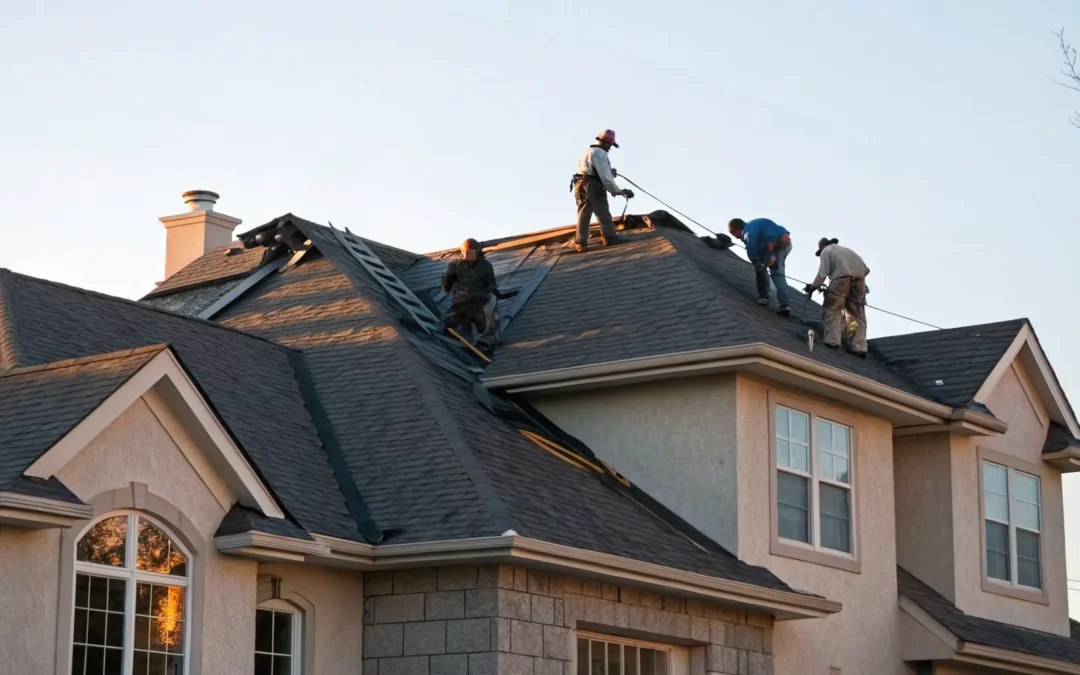
Here in Flushing, our homes put up with a lot, from heavy snow and ice in the winter to summer sun and storms. Your roof is the primary shield against it all, and when it’s time for a roof replacement, you want a team that understands our local climate. As a family-owned company with over 20 years of experience right here in Michigan, we know what it takes to build a roof that lasts. This guide shares that local expertise with you, covering everything from the best materials for our weather to what to expect during installation. It’s the neighborly advice you need for a project this important.
Key Takeaways
- Identify the key signs of a failing roof: Look for visible issues like curling or missing shingles, granules collecting in your gutters, and interior water stains. Remember that age is also a major factor; if your roof is over 20 years old, it’s time for a professional inspection.
- Understand the factors that determine your project’s cost: Your final budget will depend on the materials you choose, the size and complexity of your roof, and professional labor. Before starting, it’s also a good idea to review your homeowners insurance to see what type of damage is covered.
- Ask critical questions to find a trustworthy contractor: Protect your investment by verifying that any potential contractor is licensed and insured. Always request a detailed written estimate and ask about their workmanship warranty to ensure they stand behind their installation.
Spotting the Signs: Is It Time for a New Roof?
Your roof is your home’s first line of defense against the elements, but it doesn’t last forever. Knowing how to spot the early signs of failure can save you from the stress and expense of major water damage or structural issues. The good news is you don’t need to be a roofing expert to get a sense of your roof’s condition. By checking a few key areas, you can determine if it’s time to call in a professional for a closer look. Let’s walk through the most common signs that your roof is nearing the end of its life.
Check Your Roof’s Age
One of the most straightforward indicators is your roof’s age. Most homes in Michigan have asphalt shingle roofs, which typically have a lifespan of about 20 to 25 years. If your roof is approaching or has passed the two-decade mark, it’s wise to start planning for a replacement, even if there are no obvious signs of damage. The materials simply begin to break down over time. If you aren’t sure how old your roof is, try to find the records from the last replacement. If you can’t find any, a professional roofing inspection can help determine its age and current condition.
Inspect for Visible Damage
Take a walk around your property and look up at your roof. From the safety of the ground, you can often spot some of the most common red flags. Look for shingles that are curling at the edges, buckling in the middle, or missing altogether. These are clear signs that the shingles are failing and leaving your home vulnerable to water. Another important clue is finding excessive amounts of shingle granules, which look like coarse black sand, in your gutters. These granules protect the shingle from the sun, and their loss means your roof’s protective layer is wearing away and becoming brittle.
Don’t Overlook Subtle Clues
Some signs of a failing roof are less dramatic but just as serious. Pay attention to any dark streaks or patches of moss, mold, or algae growing on your roof. While sometimes seen as a cosmetic issue, this growth can be a sign of trapped moisture. It can eat away at the shingles and the underlying roof deck, causing rot and deterioration over time. If you notice large areas of your roof covered in moss or dark stains, it’s a good idea to have it inspected. These subtle clues often point to an underlying problem that needs to be addressed before it gets worse.
Check Inside for Leaks and Stains
Sometimes, the most telling signs of roof failure are found inside your home. Take a flashlight and head up to your attic, especially after a heavy rainstorm. Look for signs of water intrusion, such as damp or wet insulation, a musty smell, or visible drips. You should also check the ceilings on your top floor for any water stains, which often look like yellowish or brownish rings. A leak that has reached the inside of your home is a clear signal that your roof’s waterproofing is compromised. Addressing it quickly is key to preventing more extensive and expensive interior damage.
Repair or Replace? Making the Right Call for Your Roof
Deciding between a simple repair and a full roof replacement can feel like a huge decision, because it is. Your roof is your home’s first line of defense, so you want to make the right call. While a professional inspection is always the best way to get a clear answer, there are a few key things you can look for to help guide your decision.
First, consider the age of your roof. Most asphalt shingle roofs are designed to last about 20 to 25 years. If your roof is approaching that age and you’re starting to see problems, a replacement might be more practical than a series of small repairs. Continuing to patch up an old roof can sometimes be like putting a bandage on a much bigger issue.
Next, take a look at the shingles themselves. Are you seeing shingles that are curling at the edges, buckling in the middle, or missing altogether? Also, check your gutters for an excessive amount of shingle granules. These little bits are what protect the shingle from the sun, and when they wear off, your roof becomes much more vulnerable. Widespread shingle damage or a sagging roofline are strong signs your roof needs replacing.
Finally, think about the cost and the extent of the problem. A good guideline is if the repair costs are adding up to more than 30% of the price of a new roof, replacement is usually the more financially sound choice. Similarly, if more than a quarter of your roof is damaged, a full replacement often makes more sense than trying to patch a large area. A new roofing system not only solves existing problems but also prevents future ones, giving you lasting peace of mind.
A Guide to Common Roofing Materials
Choosing the right material for your new roof is one of the biggest decisions you’ll make in this process. It’s about more than just color; it’s a choice that impacts your home’s curb appeal, your budget, and how well your house is protected for decades to come. From the classic look of asphalt shingles to the incredible durability of metal, each option has its own unique set of benefits. The best material for you depends on your home’s style, your long-term goals, and what you value most, whether that’s affordability, longevity, or a specific aesthetic.
As a family-owned company with over 20 years of experience in Michigan, we’ve installed every type of roof and can walk you through the pros and cons of each. We believe an informed homeowner is a happy homeowner, so our goal is to give you the clear, straightforward information you need. Understanding these materials is the first step toward selecting a roofing solution that you’ll be happy with for years, or even decades, to come. Let’s look at some of the most popular choices for homes in our area.
Asphalt Shingles
Asphalt shingles are the most common roofing material in the country, and for good reason. They offer a fantastic balance of performance, affordability, and style, making them a practical choice for many homeowners. Typically lasting 20 to 30 years, modern architectural shingles come in a huge variety of colors and textures that can mimic the look of more expensive materials like slate or wood. We trust top brands like CertainTeed to deliver a quality product that stands up to Michigan weather. While they may not have the extreme lifespan of metal or slate, their combination of value and curb appeal is tough to beat.
Metal Roofing
Once reserved for commercial buildings or rustic cabins, metal roofing has become a popular and stylish option for residential homes. Its main advantage is durability. A professionally installed metal roof can last 40 to 70 years or even longer with minimal maintenance. Metal is lightweight, fire-resistant, and excellent at shedding snow and ice, a huge plus for our Michigan winters. It’s also an energy-efficient choice, as it can reflect solar heat and potentially lower your cooling costs in the summer. While the upfront investment is higher than asphalt, its long lifespan often makes it more cost-effective over time.
Tile and Slate
For a timeless, high-end look, nothing compares to tile or slate. These materials are in a class of their own when it comes to longevity, with lifespans that can easily exceed 100 years. They are completely fireproof, resistant to rot, and unaffected by insects. This premium performance, however, comes with a few considerations. Both tile and slate are extremely heavy and may require an engineering report to ensure your home’s structure can support the weight. The installation process is also more complex and costly. For the right home, a tile or slate roof is a true lifetime investment that offers unparalleled beauty and durability.
Wood and Synthetic Shakes
Wood shakes, typically made from cedar, provide a beautiful, rustic charm that complements many architectural styles. They offer a natural look that many homeowners love, with a typical lifespan of around 25 to 30 years. However, wood requires more maintenance than other materials to prevent moss, mold, and rot. For those who love the look but want less upkeep, synthetic shakes are an excellent alternative. Made from a composite material, they are designed to realistically mimic the appearance of natural wood or slate. Synthetics are incredibly durable, often lasting up to 50 years with little to no maintenance, giving you the best of both worlds.
Understanding the Cost of a New Roof
Figuring out the budget for a new roof can feel like a huge task, but it becomes much clearer when you know what factors into the final price. The total cost isn’t just a single number; it’s a combination of materials, the size and shape of your roof, and the skilled labor required to get the job done right. Think of it as an investment in your home’s protection, curb appeal, and long-term value.
A professional estimate will break everything down for you, but understanding the key components beforehand helps you ask the right questions and make confident decisions. The three main elements that determine the cost of your roofing project are the materials you choose, the specific characteristics of your roof, and the costs associated with labor and permits. Let’s look at each piece of the puzzle so you can plan your budget effectively.
How Materials Impact Your Budget
The roofing material you select is one of the biggest factors in your overall budget. Asphalt shingles, like the high-quality ones from CertainTeed that we trust, are a popular choice for many homeowners in Michigan. They offer an excellent balance of durability, style, and affordability, with a lifespan that can last for decades.
While asphalt is a fantastic all-around option, other materials come with different price points and benefits. For example, metal roofing typically has a higher upfront cost but offers exceptional longevity, often lasting 50 years or more. The right material for you depends on your budget, aesthetic preferences, and how long you plan to stay in your home. We can walk you through the pros and cons of each to find the perfect fit.
Your Roof’s Size and Complexity
It makes sense that a larger roof requires more materials and more time to install, which increases the cost. But it’s not just about square footage. The complexity of your roof’s design also plays a significant role. A simple, single-peak gable roof is more straightforward to replace than a roof with multiple valleys, steep pitches, dormers, or skylights.
Each angle and feature requires precise cuts, custom flashing, and careful sealing to ensure it’s completely watertight. Our team has over 20 years of experience handling all types of roof designs, so we know exactly how to tackle these complex details. During your estimate, we’ll measure carefully and assess every feature to provide an accurate and transparent quote.
Labor, Permits, and Other Factors
Professional installation is critical for a long-lasting roof, and labor costs reflect the skill, training, and insurance required to do the job safely and correctly. This isn’t just about nailing down shingles; it’s about ensuring proper ventilation, installing underlayment, and executing flawless flashing to protect your home from the elements. Paying for expert labor means you’re paying for peace of mind.
Other costs include removing and disposing of your old roof, as well as securing any necessary local permits. As a professional contractor, we handle the entire permitting process for you. A detailed estimate for your new roof should clearly outline all these items, so you see exactly where your investment is going without any hidden surprises.
Will Homeowners Insurance Cover a New Roof?
This is one of the first questions homeowners ask when facing a big roofing project, and the answer is: it depends. Generally, your homeowners insurance policy is designed to cover sudden and accidental damage. Think of things you can’t predict or prevent, like a severe hailstorm, high winds that tear off shingles, or a tree falling on your house. What insurance typically won’t cover is a roof that has simply reached the end of its natural lifespan due to age, or damage that results from a lack of maintenance.
It’s also important to understand how your specific policy pays out for a claim. Most policies use either Replacement Cost Value (RCV) or Actual Cash Value (ACV). RCV covers the full cost to replace your roof with new materials at current prices. ACV, on the other hand, pays you for the value of your old roof after factoring in depreciation for its age and condition. Many insurers switch to an ACV-only payout once a roof is about 15 to 20 years old, which is a critical detail to check in your policy.
If you believe your roof has been damaged by a covered event, your first step should be to document everything. Take clear photos and videos of the damage from a safe location. Then, contact your insurance agent as soon as possible to start the claims process. They will guide you on the next steps, which usually involves an inspection from an adjuster.
Finally, remember that investing in a new, high-quality roof with durable materials can sometimes lead to lower insurance premiums, as it reduces the risk of future damage. Always have a conversation with your insurance agent to fully understand your coverage before you begin any project. They can clarify what your policy includes and what you can expect during the claims process.
Key Questions to Ask Your Roofing Contractor
Choosing the right contractor is just as important as choosing the right shingles. This is the team you’re trusting to protect your home, so it’s essential to do your homework before signing a contract. A professional and trustworthy contractor will welcome your questions and provide clear, confident answers. Think of this as a friendly interview to ensure you’re partnering with a true expert who has your best interests at heart. By asking the right questions, you can feel confident that you’re making a great choice for your home and your family. It’s all about finding a partner who is transparent, experienced, and committed to quality craftsmanship from start to finish.
Verify Licensing, Insurance, and Warranties
First things first, make sure the contractor is legitimate and that you’re protected. Ask them directly, “Are you licensed and insured in Michigan?” They should be able to provide proof of both liability insurance and workers’ compensation. You can verify a contractor’s license online to be certain. Also, ask about warranties. You’ll typically get a manufacturer’s warranty on materials, but you also want a workmanship warranty from the contractor that covers the installation itself. This protects your investment and gives you peace of mind knowing that the company stands behind its work.
Ask About Their Installation Crew
It’s important to know exactly who will be working on your home. Ask your potential contractor, “Will your own employees be completing the installation, or do you hire subcontractors?” While using subcontractors isn’t always a bad thing, it can sometimes lead to communication issues or a lack of accountability. If they do use other crews, ask how they ensure quality. You should also find out who the on-site supervisor will be and how you can reach them. Having a dedicated point of contact from a professional roofing team makes the entire process run more smoothly and ensures your questions are answered promptly.
Get a Detailed Written Estimate
Never accept a verbal quote. A professional contractor will provide a detailed, written estimate that clearly outlines the entire scope of the project. This document should include a breakdown of costs for materials and labor, the specific materials being used, and a description of the work, including the removal of the old roof. It should also specify the payment schedule and an estimated start and end date. This estimate serves as a critical reference point and helps prevent any surprise costs down the line, ensuring everyone is on the same page before the work begins.
Watch Out for These Red Flags
Your gut feeling is a powerful tool, so pay attention to any warning signs. Be cautious of contractors who use high-pressure sales tactics or demand a large cash deposit before any work begins. Another major red flag is a roofer who won’t provide a written estimate or proof of insurance. According to the Better Business Bureau, you should also be wary of “storm chasers” who appear at your door unannounced after severe weather. A reputable company will give you the time and information you need to make a confident decision without feeling rushed or pressured.
The Roof Replacement Process, Step by Step
Once you’ve chosen your contractor and signed the contract, it’s time for the main event: the roof replacement itself. Knowing what to expect can make the entire experience feel less disruptive and more exciting. A professional team will handle the heavy lifting, but understanding the general timeline and doing a little prep work on your end will ensure everything goes as smoothly as possible. Think of it as a partnership. Your contractor brings the expertise, and you provide a prepared space for them to work their magic. Let’s walk through the key phases of the installation process.
Project Timelines and Duration
One of the first questions homeowners ask is, “How long will this take?” While a standard roof replacement can often be completed in just a few days, the exact timeline depends on several factors. The size and complexity of your roof play a big role; a simple, single-story gable roof is much faster to complete than a large, steep roof with multiple dormers and valleys. Weather is another major variable, as rain or high winds can cause unavoidable delays for safety reasons. Our team at Signature Home Pros always builds a realistic roofing timeline into your project plan and keeps you updated every step of the way.
How to Prepare Your Home for Installation Day
A little preparation can go a long way in protecting your property and helping the installation run smoothly. Before the crew arrives, take some time to clear the area around your home’s foundation. Move patio furniture, potted plants, grills, and vehicles out of the way to prevent damage from falling debris. Inside, the vibrations from hammering can shake things loose, so it’s a good idea to remove pictures, mirrors, and fragile decor from your walls. You should also cover any items stored in your attic with tarps to protect them from dust. Finally, make sure your written agreement clearly outlines who is responsible for cleanup.
Your Trusted Roofing Partner in Flushing, MI
Choosing a roofing contractor is a big deal. You’re not just buying shingles; you’re investing in protection for your family and your home for decades to come. Here in Flushing, we believe that trust is built right here in our community. As a family-owned business with over 20 years of experience, we at Signature Home Pros treat every project like we’re working on a neighbor’s house, because we are. We combine quality craftsmanship with top-tier materials from brands like CertainTeed to deliver a roof that you can depend on.
We know you have options when it comes to local roofers, and we encourage you to find the right fit for your project. The Flushing area is home to several established contractors. Tri-County Roofing Company has served the area for many years, offering both residential and commercial services. You might also look into BCM Roofing, which brings two decades of local experience to their replacement and repair work. Good’s Roofing is another long-standing local company, and Guns N Hoses LLC is known for its highly-rated service.
Ultimately, you want a partner who will listen to your needs, provide clear communication, and stand behind their work. That’s our promise to you. We handle everything from the initial inspection to the final cleanup, ensuring a smooth process and a beautiful, durable result. If you’re ready to discuss your roofing project, we’d love to show you the Signature Home Pros difference.
Frequently Asked Questions
How long will my roof replacement take from start to finish? For a typical home, the actual replacement process can often be completed in just two to three days. However, the total timeline depends on the size and complexity of your roof, as well as the weather. A steep roof with multiple angles will naturally take longer than a simple one. A professional contractor will give you a realistic schedule before they begin and will always keep you informed if rain or high winds cause any safe and necessary delays.
My roof has a small leak, but it’s not very old. Do I really need a full replacement? Not always. If your roof is still relatively young and the damage is isolated to one small area, a professional repair can often solve the problem effectively. The time to consider a full replacement is when you see widespread issues like curling shingles across multiple sections, or if the roof is approaching the 20-year mark. A small leak on an older roof is often a sign that the entire system is beginning to fail, and a replacement is the more reliable long-term solution.
What happens if you discover rotten wood after tearing off the old shingles? This is a fairly common situation, and a professional crew is always prepared for it. If we find that the underlying roof deck has soft or rotted spots, we will replace those sections of wood before installing your new roof. This step is critical for ensuring the new shingles have a solid, stable foundation to attach to. We will always communicate with you about what we find and discuss any additional costs for the repair before moving forward, so there are no surprises.
Is it worth paying more for a metal roof instead of asphalt shingles? This really comes down to your long-term goals for your home. Asphalt shingles provide excellent, reliable protection for 20 to 30 years and are a fantastic value. A metal roof has a higher initial cost, but its lifespan can be 50 years or even longer with very little maintenance. If you plan on staying in your home for decades, the long-term durability and energy efficiency of metal can make it a very cost-effective investment over time.
Can getting a new roof lower my homeowners insurance costs? It certainly can. Many insurance providers offer discounts for homeowners who install a new roof because it significantly reduces the risk of future claims from leaks or storm damage. After your new roof is installed, it’s a great idea to call your insurance agent. Let them know about the upgrade and ask if you qualify for a premium reduction.
Recent Comments