
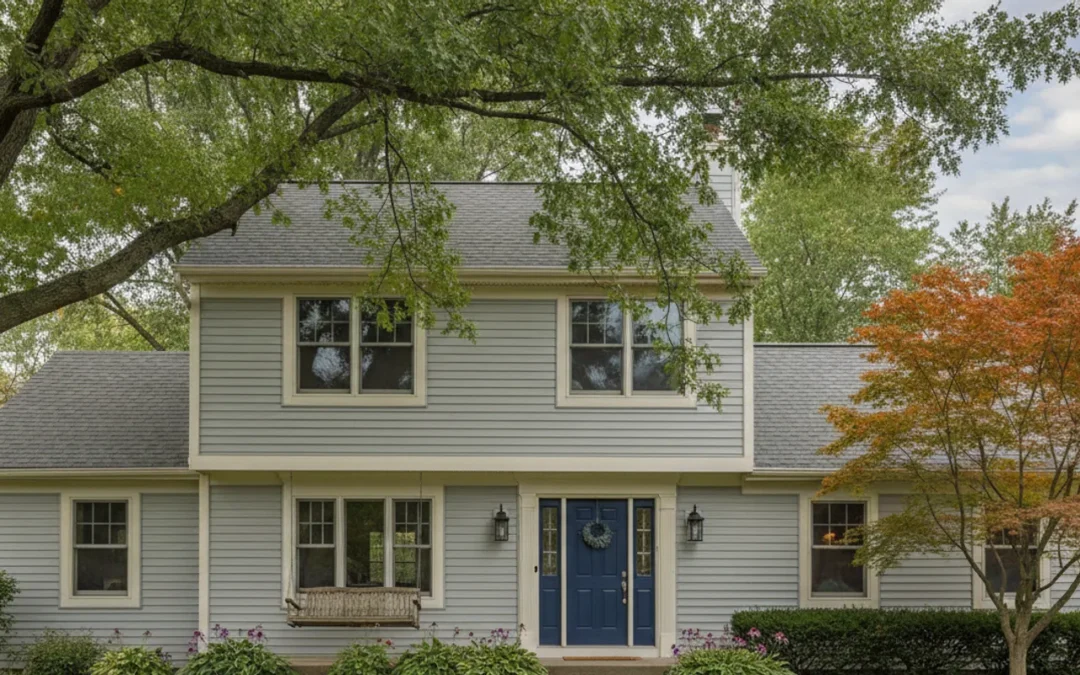
Choosing the best siding for Michigan homes is not just a matter of picking a color or a material that looks good in a sample. Freeze-thaw seasons, wind, moisture, shade, upkeep, and the condition of the wall beneath the siding all affect what makes sense for a particular house. Start with your priorities and the home’s needs, then compare products and project details. Signature Home Pros helps central Michigan homeowners plan siding work through its siding installation service.
Schedule a no-pressure consultation
What does “best siding” mean for a Michigan home?
There is no single siding choice that is right for every Michigan house. “Best” means the material and product fit the home’s exposure, your maintenance preferences, the look you want, and the scope of work required. A shaded wall that stays damp may call for different upkeep than a sunny, exposed elevation. A home with aging siding and drafts may need a broader exterior review than a house whose siding is sound but dated.
Before comparing product names, decide what matters most to you. Common priorities include:
- Weather performance: You want siding suited to the conditions around the house, including wind exposure and recurring wet or icy periods.
- Maintenance: You want a realistic idea of the cleaning, inspection, and upkeep you are willing to do.
- Appearance: You want a profile and color that fit the house rather than a trend that may not suit its architecture.
- Project scope: You need to know whether the job is limited to siding or should also address underlying materials, insulation, trim, or nearby exterior components.
- Long-term fit: You want to understand product-specific warranty terms, installation requirements, and how the finished work will be cared for.
These priorities make estimates easier to compare. They also help keep the discussion focused on a good fit rather than a one-size-fits-all recommendation.
Which factors should you assess before choosing siding?
1. Look at each side of the house
Walk around the exterior and note where the siding faces strong wind, direct sun, trees, sprinklers, or persistent shade. Check for loose or damaged pieces, peeling finishes, stains, soft-looking areas, and gaps around trim or openings. These are observations, not a diagnosis: the visible surface may not reveal the condition of the wall behind it.
Take photographs and note which elevations concern you. This gives you a useful starting point when you speak with a contractor. Ask for an evaluation of the siding and the areas where water could enter, rather than assuming that replacing the visible panels alone will solve every issue.
2. Match upkeep to your habits
Every exterior needs some care, but the kind and frequency can vary by product, exposure, and installation. Ask what routine cleaning is appropriate, which cleaners or tools to avoid, and how to inspect seams, trim, and transitions. If low-maintenance ownership is a priority, say so early and ask the estimator to explain what that means for the specific product being proposed.
Do not rely on broad labels alone. “Low maintenance” does not mean “no maintenance.” Request written product-care information and clarify which upkeep instructions come from the manufacturer.
3. Consider the home’s style and surrounding details
Siding covers a large share of a home’s exterior, so profile, texture, and color all matter. Look at roof color, window frames, stone or brick accents, porch details, and the home’s architectural lines. A small sample can look different across a whole wall and in changing daylight. Ask to see product samples outdoors, if available, and view more than one profile before making a final selection.
Think about transitions as well as broad wall areas. Corners, gables, window trim, entryways, and the line where siding meets masonry can affect the finished appearance. For homeowners also planning exterior stonework, it can help to review how the two materials meet; see the company’s stone installation information.
4. Find out what is behind the existing siding
A re-siding project can provide access to the exterior wall, which may make it a practical time to discuss insulation improvements. The U.S. Department of Energy’s Pacific Northwest National Laboratory describes this opportunity in its guide to adding insulation with re-siding. Whether added insulation is suitable depends on the house and project; ask what the assessment will include rather than assuming that every wall needs the same upgrade.
Ask how the estimate accounts for removal, inspection of exposed areas, and any work that may be needed if concealed damage is found. Get clarity on how unanticipated conditions would be documented and approved before additional work proceeds.
How can you assess your home’s siding needs systematically?
A short, repeatable review can help you describe the project clearly without trying to diagnose the wall yourself. Start with a simple exterior walk-around and record what you see. For each elevation, note the direction it faces, nearby trees or sprinklers, spots that stay shaded, and any visible damage. Photograph details from a safe location; do not climb ladders or pull siding away from the wall.
Next, separate immediate concerns from preferences. A loose panel, recurring moisture mark, or open gap near trim deserves a contractor’s attention. A dated color or a profile you no longer like is a design goal. Keeping these notes distinct helps the assessment address both condition and appearance without treating cosmetic changes as proof of a hidden defect.
Then list the questions you want answered. For example, if one wall gets strong afternoon sun and another sits beneath trees, ask whether the proposed product’s care instructions or appearance vary with that exposure. If the home has a porch addition, an older bump-out, or several exterior materials, ask how the design and installation plan will handle the transitions. A focused question is more useful than asking whether a product is simply “good for Michigan.”
Finally, share the same observations and priorities with each estimator. This makes the recommendations easier to compare. Ask each person to identify the product being proposed, explain how the visible conditions affected the recommendation, and note which items still require inspection after existing siding is removed. A consistent starting point reduces the chance that one proposal addresses a different project than another.
How should you compare common siding options?
Use a side-by-side comparison to identify questions for your estimator. Product performance and maintenance instructions vary, so treat these as broad planning prompts, not promises about every brand or style.
| Option or choice | What to weigh | Questions to ask |
|---|---|---|
| Vinyl siding | Available styles and colors, the look you want, product-specific performance, and care guidance. | Which product and profile are proposed? What does the manufacturer say about cleaning, installation, and warranty coverage? |
| Cedar-shake look | How the texture and pattern suit the home’s design, plus the upkeep and product details for the selected material. | Is the proposed siding actual cedar or a different product with a shake appearance? What care does that product require? |
| Board-and-batten style | How vertical lines fit the architecture and where the style will be used on the exterior. | What product will create the look? How will corners, openings, and transitions be finished? |
| Insulation as part of re-siding | Existing wall conditions, project scope, and whether an insulation improvement is appropriate. | Will the wall be assessed? What changes are proposed, and how will the scope and added work be documented? |
The table is not a ranking. A style can be attractive yet still be the wrong choice for a particular wall, budget, or maintenance preference. Ask the contractor to identify the exact product, not only the general category, and explain why it suits the house.
Signature Home Pros installs siding options including vinyl, cedar shake, and board and batten. CertainTeed siding products include PermaColor Lifetime Fade Protection and stated wind resistance of up to 200 mph for certain products; confirm which product is included and review its applicable specifications. No single product feature replaces correct product selection, preparation, and installation.
How does Michigan weather affect siding decisions?
Michigan homes experience changing seasons, so a siding decision should account for more than a single stretch of weather. Consider wind exposure, moisture around the foundation and roofline, shade, sun, and the way water drains away from the house. Also consider how the siding meets windows, doors, roof edges, and other materials. Those junctions deserve careful attention in the project plan.
Rather than assume that a product label guarantees performance in every condition, ask the estimator to discuss the manufacturer’s requirements and the particular areas of concern at your home. Have the proposal specify the product and explain the planned treatment of trim and transitions. For general information on Michigan building-code and permit matters, consult the state’s building permit information and ask the appropriate local building department whether a permit applies to your project.
It can also be useful to consider siding alongside the rest of the exterior. For example, the roof edge and gutter system influence how rainwater is directed away from walls. If a roof project is also on your list, review the company’s roofing and roof replacement information; for drainage work, see its seamless gutter installation service.
What should a siding estimate explain?
A useful estimate should make it possible to understand what is included and compare proposals on similar terms. Ask for clear details in writing, including:
- The product manufacturer, product line, profile, color, and any relevant specifications.
- Which elevations and exterior areas are included, and what is excluded.
- Whether existing siding will be removed and how exposed surfaces will be assessed.
- How trim, corners, windows, doors, and transitions between materials are addressed.
- What preparation and related work are included, and how concealed conditions or requested changes will be handled.
- Expected project sequence and how the contractor will communicate about timing or changes.
- Manufacturer warranty documents and any separate workmanship terms, stated without assuming coverage not described in writing.
- Payment terms and the process for approving changes to the original scope.
Compare the scope, not only the bottom-line figure. One proposal may include removal or trim work that another leaves out. If something is unclear, ask for the estimate to be revised so the answer is documented before you make a decision. The company’s overview of the siding installation process can also help you prepare questions about project stages.
What should you clarify about timing and project changes?
Before accepting a proposal, ask what happens between approval and completion. A written outline can identify the main stages, such as product selection, preparation, installation, and a final review, without promising a specific start date before scheduling is confirmed. Ask what decisions you need to make in advance, including color, profile, trim details, and any related work that affects the exterior.
It is also sensible to discuss what may change after the existing siding comes off. Concealed conditions cannot always be evaluated from the surface. Ask the contractor how findings will be shared, whether the work will pause for your review, and how any added work or cost will be described and approved. Agreeing on a process beforehand helps prevent a surprise from turning into an unclear scope.
Keep the approved proposal and any later written change descriptions together. If you compare bids, check that additions and exclusions are recorded in the same way for each one. This is especially useful when a project includes trim replacement, insulation discussion, or work around windows and doors. Clear records make it easier to see what you agreed to and what remains outside the project.
How can siding fit with other exterior projects?
Replacing siding may be an opportunity to look at related exterior needs, but not every homeowner needs to bundle projects. If you already plan to replace windows, ask how the siding scope will coordinate with the openings and trim. Review the company’s window and door service details if those upgrades are part of your plans.
If more than one project is under consideration, ask which work needs to happen first and whether coordinating it would change the scope. For instance, discuss the relationship among siding, roof edges, gutters, and exterior stone before work begins. A clear sequence can help reduce uncertainty, but each improvement should have a defined purpose and a separate description in the proposal.
Signature Home Pros is a family-owned exterior renovation company serving central Michigan. Its no-pressure approach is intended to help homeowners understand options before deciding. Learn more about the company on its About Us page, then use the consultation to discuss your own house rather than selecting a product based on a general recommendation alone.
How do you make a confident siding choice?
Start by writing down your goals: what you want to improve, what maintenance you are comfortable with, and which areas of the exterior concern you. Take photos, note the home’s exposure and existing materials, and make a shortlist of styles you like. Then ask for an on-site evaluation and a written proposal that names the specific product and clarifies the project scope.
Use the same questions with each contractor. Compare products, preparation, trim details, warranty documentation, and change procedures. If you are uncertain about a recommendation, ask what house-specific condition supports it and what alternatives were considered. That keeps the decision grounded in your home’s needs, not just a general claim about which siding is “best.”
Contact Signature Home Pros to discuss your siding project
Frequently asked questions
What is the best siding material for Michigan homes?
There is no universal best material for every home. The right fit depends on exposure, appearance, maintenance preferences, the wall’s condition, and the specific product. Compare written product details and ask for a recommendation based on the home.
Does re-siding mean I should add insulation?
Not necessarily. Re-siding can provide access to exterior walls, which makes insulation worth discussing, but whether an improvement is appropriate depends on the house and project. Ask for an assessment and a clearly documented scope.
What should I ask about warranties?
Ask for the manufacturer’s warranty documents for the exact product and clarify any separate workmanship terms in writing. Review what is covered, any conditions or exclusions, and where to find care and maintenance instructions.
Can I choose siding based on appearance alone?
Appearance matters, but also compare product specifications, upkeep, exposure, transitions, and the condition of the existing exterior. A sample and an on-site discussion can help you see whether the style fits the whole home.
The best siding decision is one you can explain: it suits your home’s conditions, matches your priorities, and comes with a clear written scope. Take time to compare the details before approving the work.
Recent Comments