
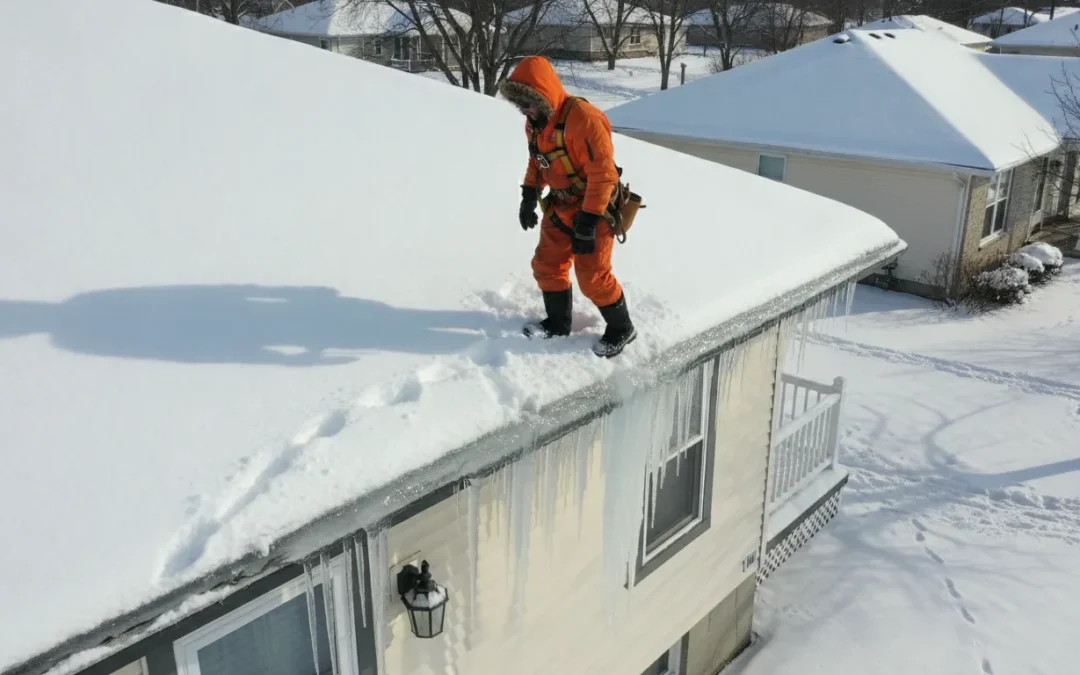
When a Michigan winter brings heavy snow followed by a deep freeze, your roof can face trouble before you notice a leak inside. Ice dams are more than oversized icicles: they can redirect meltwater beneath shingles and into the roof assembly. The good news is that prevention usually starts with understanding how heat, insulation, ventilation, and snow work together.
Effective ice dam prevention michigan roof planning keeps the roof surface consistently cold. Limits heat loss from the attic, and gives melting snow a clear path away from the eaves. Insulation, balanced ventilation, clean gutters, and safe snow removal all have a role, while an eaves membrane can add protection during vulnerable freeze-thaw cycles.
For homeowners in Flushing, Genesee County, and nearby central Michigan communities, a seasonal inspection can identify weak points before winter turns them into interior damage. If your roof is older or repeatedly develops problems, our roof replacement guide can help you evaluate the bigger picture. First, it helps to see exactly how an ice dam forms.
Ready to get ahead of winter? Schedule a free roof inspection today by calling (810) 270-5922 so our local team can check for ice dam risk before the next storm.
What Is an Ice Dam and How Does It Form?
An ice dam is a ridge of solid ice that forms along the lower edge of a sloped roof. Once it develops, the ridge can hold melting snow on the roof instead of allowing water to drain into the gutters and downspouts. The problem is not simply that Michigan winters are cold. It is that the roof can have warm and cold areas at the same time.
Heat loss starts the melt-and-refreeze cycle
In a typical formation cycle, heat from the living space escapes into the attic and warms the underside of the roof deck. Snow resting over that warmer area begins to melt. The resulting water runs downward beneath the snow blanket toward the eaves, where the roof surface is colder because it extends beyond the heated part of the home.
At the cold roof edge, the water freezes and builds a ridge. New meltwater continues moving toward that ridge, then collects behind it. Over several freeze-and-thaw cycles, the ridge grows larger and creates a shallow reservoir of water on the roof. That is why snow can melt even when the outdoor temperature remains below 32 degrees Fahrenheit. Heat escaping from the home can drive melting above the roof deck, while the exposed edge stays cold enough to refreeze the runoff. Fox 2 Detroit explains this common misconception about snowmelt and below-freezing temperatures.
Why the roof edge and gutters matter
The eaves, soffits, and gutters are especially important because they sit at the transition between the heated roof area and the colder exterior edge. If the gutter is blocked by leaves, shingle debris, or existing ice, meltwater has even fewer ways to leave the roof. It may back up at the eaves, freeze in place, and add to the dam. Cleaning gutters and downspouts before winter helps maintain a clear path for melting snow and rainwater, as recommended in Michigan ice dam guidance.
- Warm roof sections encourage snow to melt.
- Cold eaves cause the runoff to freeze.
- The growing ice ridge traps water behind it.
- Blocked gutters can make drainage problems worse.
Ice dams are therefore usually a symptom of uneven roof temperatures and restricted drainage, not a sign that snow simply fell on the roof. Insulation, attic airflow, roof-edge details, and gutter maintenance all influence whether the cycle begins or continues. Understanding that mechanism is the first step toward practical ice dam prevention for a Michigan roof.
How Ice Dams Damage Your Michigan Roof and Home
An ice dam creates a problem at the point where your roof meets the eaves. Snow melts on warmer sections of the roof, then the water runs downward until it reaches the colder roof edge. There, it freezes into a ridge that blocks the normal drainage path. As more snow melts, water can collect behind that ridge instead of flowing into the gutters and away from the house.
That trapped water can work its way beneath the shingles at the eaves. It may also move through vulnerable seams or openings in the underlayment, allowing moisture to enter areas that should remain dry. Shingles are designed to shed water downhill, not to hold back a pool of meltwater for hours or days. Once water gets underneath the roofing materials, the visible ice dam may be only the first sign of a larger problem.
Water intrusion can spread beyond the roof edge
Moisture entering at the eaves may soak attic insulation, reducing its effectiveness and making it harder for the attic to stay dry. It can then travel along roof decking, rafters, or other building materials before appearing inside the living space. Homeowners may notice brown or yellow water stains on a ceiling, damp drywall, peeling paint, or moisture near an exterior wall. A leak around a window can also be connected to water moving through the roof or wall assembly rather than a problem with the window itself.
Wet insulation and drywall should not be ignored. Trapped moisture can keep materials damp after the weather clears, creating conditions for deterioration and unwanted indoor air concerns. Repeated exposure is especially hard on roof decking and framing. Over time, wood can soften or rot, weakening parts of the roof structure and increasing the scope of repairs.
One layer of protection at the eaves
During roof installation or replacement, a contractor can add a self-sealing bituminous membrane along the eaves. This peel-and-stick or similar membrane helps seal the vulnerable edge and reduce the chance that ice-dam water will seep through the shingles and underlayment. The U.S. Department of Energy’s Building Science Education guidance identifies eave sealing with this type of membrane as a cold-climate protection measure: learn how self-sealing eave membranes help limit water intrusion.
A membrane is one part of a broader plan for ice dam prevention on a Michigan roof. If you already see interior staining, damp attic insulation, or recurring winter leaks, do not wait for the next thaw to reveal more damage. A roof and attic inspection can trace the water’s path and identify whether the issue involves the roof covering, underlayment, ventilation, insulation, or framing.
Signs You Have an Ice Dam Problem
Ice dams do not always announce themselves with an immediate ceiling drip. Often, the first clues appear outside along the roof edge, followed by moisture signs inside the home. A quick visual check after a heavy snowfall or a freeze-and-thaw cycle can help you spot trouble before a small problem becomes a larger repair.
Watch for these warning signs during a Michigan winter. The clearest signals appear at the roof edge and, over time, inside the home.
- A thick ridge of ice along the eaves: A continuous band of ice, not a few isolated icicles, usually means meltwater is collecting and refreezing at the roof edge.
- A heavy curtain of icicles: Large or widespread icicles hanging from the eaves are the tell-tale symptom many homeowners notice first. They can signal that heat is escaping into the attic, warming portions of the roof deck while the eaves remain cold.
- Ice building behind or beneath the gutters: Ice may collect where the roof edge meets the gutter, blocking the path meltwater needs to follow. Look from the ground, and never climb onto an icy roof to inspect it.
- Water stains near exterior edges: Brown or yellow discoloration on ceilings and upper walls, especially near an outside wall, may point to water entering near the eaves.
- Damp attic insulation: Wet or matted insulation can indicate that meltwater has entered the attic. Moisture also deserves attention because it can reduce insulation performance and contribute to ongoing condensation concerns.
- Leaks around windows: Drips, bubbling paint, or damp trim around an upper-story window may be connected to water moving in from the roof edge. Particularly when the window sits beneath an area with heavy ice.
Visible icicles alone do not prove that an ice dam has caused damage, but a broad ice ridge or repeated heavy icicle formation deserves attention. Heat escaping above the ceiling can contribute to uneven roof temperatures, allowing snow to melt and refreeze even when outdoor temperatures remain below 32 degrees Fahrenheit. This melt-and-refreeze cycle is why the roof edge can develop ice while snow remains elsewhere on the roof.
If you see interior staining, damp insulation, or active leaking, do not wait for the ice to disappear before investigating. Avoid chopping at the ice, which can damage roofing materials. A professional roofing contractor in Michigan can evaluate the visible symptoms and help identify whether the issue involves the roof. Attic, gutters, or more than one of these areas.
Ice Dam Prevention for Michigan Roofs: Insulation, Ventilation, and Design
Effective prevention combines attic work, roof-edge protection, and simple seasonal maintenance. No single measure solves every ice dam risk. Because the goal is to keep roof temperatures more consistent while giving meltwater a clear, protected path away from the home. The right combination depends on your attic, roof design, insulation coverage, and winter exposure.
| Measure | What it does | Best time | DIY or pro? |
|---|---|---|---|
| Attic insulation | Reduces heat loss into the attic, which helps limit uneven roof temperatures. Michigan guidance recommends at least R-30, with R-38 preferable in northern climates. See Michigan’s winter roof guidance. | Before winter, ideally during a broader attic inspection | A homeowner can inspect visible insulation, but a professional should assess depth, gaps, moisture, and airflow before adding material. |
| Full-plane insulation and ventilation | Maintaining insulation across the entire ceiling plane and over exterior top plates helps avoid cold spots, condensation, and conditions that contribute to ice dams. Ventilation must work with the insulation, not bypass it. | During remodeling, roof work, or an attic evaluation before snow season | Usually pro work. Correcting blocked soffit vents or poorly distributed insulation can require access, testing, and careful detailing. |
| Roof rake after heavy snow | Removes snow from reachable roof edges after a major storm, reducing roof-edge buildup and helping limit conditions favorable to ice dam formation. | Promptly after heavy snowfall, when conditions are safe | DIY only from the ground with a suitable roof rake. Never climb onto an icy roof or pull snow near power lines. Call a professional when access is unsafe. |
| Gutter and downspout cleaning | Clears leaves and debris so water from melting snow has a better chance of flowing through the drainage system instead of backing up at the eaves. | Late fall, before freezing weather and snow | DIY if the roofline is low and ladder work is safe. Otherwise, use a professional gutter service. |
| Self-sealing eaves membrane | Creates a water-shedding barrier at vulnerable eaves. A self-sealing bituminous membrane can help prevent ice-dam water from seeping under shingles and underlayment, according to the U.S. Department of Energy Building Science Education resource. | During a roof replacement or before shingles are installed | Professional installation. It belongs beneath the roofing and must be integrated with the roof system. |
For an older roof, recurring ice dams, or an attic that feels difficult to diagnose, prevention may involve more than adding insulation. A roofing professional can look at the full system, including ventilation paths, eave details, drainage, and shingle condition. Our Michigan roof replacement guide explains the broader roof-system decisions to consider when repairs and seasonal maintenance are no longer enough.
What to Do If You Already Have Ice Dam Damage
Once an ice dam has formed, focus on safety and limiting water intrusion rather than trying to solve the problem from a ladder. Ice can hide roof damage, and wet insulation or drywall can continue causing problems after the visible leak stops. Use the following order of operations, then arrange a professional evaluation before the next freeze-thaw cycle.
-
Remove loose snow from the roof edge safely
After a heavy snowfall, use a roof rake from the ground to pull loose snow away from the lower roof edge. Removing excess snow can reduce the weight on the roof and lessen the conditions that allow an ice dam to grow. The roof-rake guidance from Michigan ice dam specialists supports removing snow after heavy snowfall events. Keep your feet on stable ground, stay clear of falling snow and ice, and do not climb onto an icy roof. A roof rake is for loose snow, not for breaking through a hardened dam.
-
Never chip or chop the ice
Do not use a hammer, axe, shovel, or other sharp tool to break apart the ridge. Chopping can tear or puncture shingles, damage flashing, and create openings that let water reach the underlayment or roof deck. It can also send heavy ice sliding unexpectedly. If the dam is large, growing, or positioned above a walkway or entry. Keep people away from the area and call a professional who has the equipment and training to remove it without adding damage.
-
Address the attic heat loss that is feeding the problem
Removing the ice is only a temporary response if warm air is still escaping into the attic. Have the insulation, air sealing, and ventilation reviewed so the roof surface can stay more consistent in changing weather. Michigan guidance recommends at least R-30 attic insulation, with R-38 preferable in northern climates. Insulation should also cover the full ceiling plane and the tops of exterior walls, where gaps can create cold spots and contribute to recurring dams. Do not block designed ventilation while adding insulation.
-
Contain leaks and dry affected areas
Place containers beneath active drips, move furniture and belongings away from wet areas, and document visible staining or damaged materials. If water is near a light fixture or electrical connection, avoid touching the fixture and contact a qualified professional. Dry wet insulation, drywall, trim, and flooring promptly to reduce the chance of lingering moisture and mold. A stopped drip does not prove that the roof assembly is dry.
-
Have the roof inspected for hidden damage
Arrange an inspection after the immediate danger has passed. A professional should check shingles, flashing, underlayment, roof decking, soffits, and attic conditions, not just the location of the interior stain. Depending on the roof’s condition, the long-term solution may include correcting insulation and ventilation, installing a self-sealing membrane at vulnerable eaves, or planning a roof replacement. A recurring leak or older roof deserves a thorough evaluation before another Michigan winter exposes the same weakness.
When to Call a Michigan Roofing Professional
Some ice dam problems can be reduced with routine maintenance, but repeated or active damage deserves a professional assessment. Call a Michigan roofing professional if ice dams return season after season, especially after you have cleaned gutters and addressed obvious attic insulation concerns. Recurring dams often point to uneven roof temperatures, heat loss, ventilation gaps, or details at the eaves that need a closer look.
Call promptly if you notice water stains on ceilings or walls, damp insulation, peeling paint, or leaks around upper-floor windows. These signs can mean meltwater is getting beneath shingles or into the roof assembly. Even a small stain should be investigated before it becomes a larger problem involving the roof deck, framing, or interior finishes. Attic insulation is part of the conversation, too. Michigan guidance recommends at least R-30 insulation in the attic, with R-38 preferred in northern climates, but the coverage and installation also matter. A contractor can help identify cold spots instead of simply adding insulation where it is easiest to reach. Michigan’s ice dam guidance explains why heat loss and attic conditions deserve attention.
Professional help is also the safer choice when snow or ice has built up beyond what you can manage from the ground with a roof rake. Don’t climb onto an icy roof or chop at an ice dam with tools. Those actions can damage shingles and create a serious fall hazard. After high winds, hail, falling branches, or other severe weather, schedule an inspection even when damage isn’t obvious from the yard. Missing, lifted, or cracked shingles may allow water inside during the next thaw.
Finally, have the roof evaluated if it is approaching the end of its expected service life or has a history of repeated repairs. Ice dams may expose weaknesses that were not visible during milder weather. A professional can distinguish between a targeted repair, attic correction, and a larger replacement decision. For broader planning, review this Michigan roof replacement guide.
Check the contractor before work begins
Before hiring anyone, verify that the contractor is properly licensed through Michigan’s Licensing and Regulatory Affairs agency, commonly called LARA. Ask for current proof of general liability insurance and workers’ compensation coverage, then confirm that the information is valid. A written scope of work should explain what will be inspected, repaired, or replaced. Our guide to choosing a professional roofing contractor in Michigan offers more questions to ask.
If you see warning signs or want to prevent another winter of damage, Signature Home Pros offers a free inspection without pressure. Call (810) 270-5922 to schedule an appointment in the Flushing area and surrounding central Michigan communities.
If you suspect an ice dam or simply want peace of mind this winter, call (810) 270-5922 now to book your free inspection with a licensed Michigan roofing contractor.
Frequently Asked Questions
How do you prevent ice dams on a roof in Michigan?
Start by keeping the attic properly insulated and ventilated so the roof deck stays more evenly cold. Clean gutters and downspouts before winter, and use a roof rake after heavy snow when it can be done safely from the ground. These steps reduce the heat loss and trapped water that contribute to ice dams.
Why do ice dams form on Michigan roofs?
Ice dams form when heat escaping from the home warms part of the roof, melting snow while colder roof edges remain frozen. The meltwater runs toward the eaves, where it refreezes and creates a ridge that can hold back additional water. Gutters blocked by leaves or debris can make drainage problems worse.
When should you remove snow from your roof to prevent ice dams?
Consider removing snow after a heavy snowfall, before repeated freeze-thaw cycles create conditions for an ice dam. A roof rake may help when used safely from the ground, but do not climb onto an icy roof or use tools that can damage shingles. Call a professional if the snow is deep, access is unsafe, or a dam has already formed.
Is attic insulation important for ice dam prevention?
Yes. Adequate insulation limits the transfer of indoor heat into the attic and roof assembly, helping prevent uneven roof temperatures and premature snowmelt. Insulation should be paired with effective ventilation and careful coverage around attic edges, where cold spots commonly develop.
Ready to Protect Your Roof This Winter?
A free winter roof inspection can help identify conditions that make ice dams more likely before they lead to larger roof or interior concerns. Signature Home Pros brings a local, no-pressure approach to winter roof protection for Michigan homeowners. To schedule your inspection and talk with a local roofing expert, call (810) 270-5922.
Recent Comments