
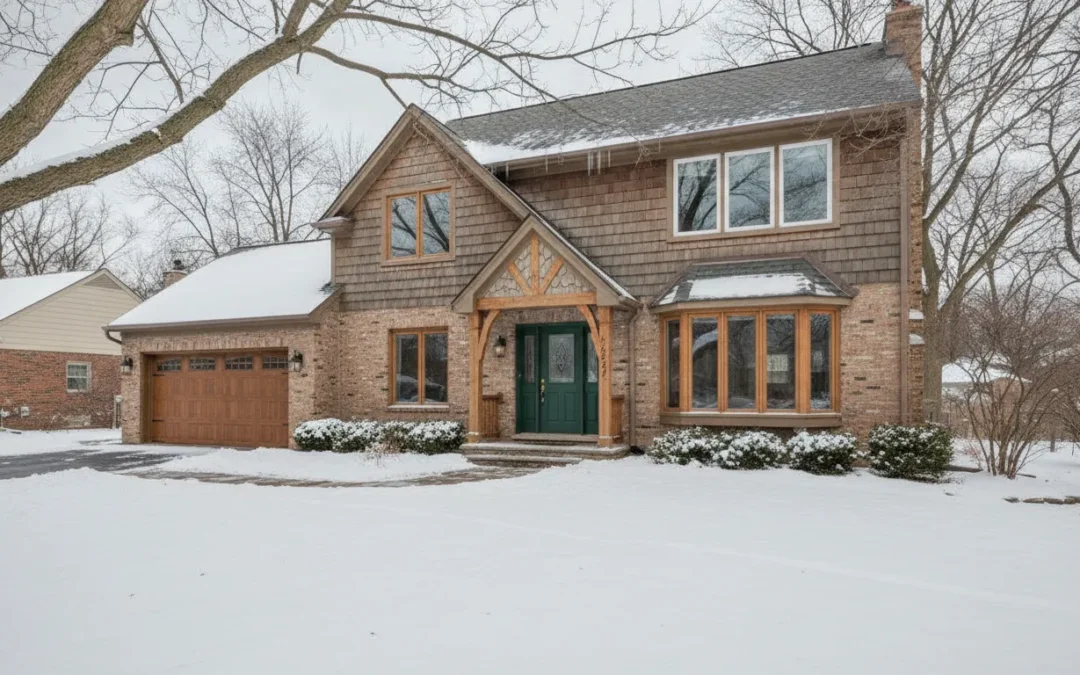
Michigan homeowners rarely choose replacement windows based on appearance alone. Cold winters, temperature swings, humidity, and moisture exposure all affect how much maintenance a frame may need and how comfortable a room feels. The right comparison starts with the home, not a blanket rule about one material being better.
For most homeowners asking about vinyl vs wood windows michigan, vinyl is often the practical choice when low maintenance and moisture resistance matter most. Wood may fit homes where natural character and ongoing upkeep are worth the tradeoff. Product quality, glass ratings, and installation still matter as much as the frame material.
The U.S. Department of Energy recommends identifying the installation climate zone before comparing window products, then reviewing measures such as U-factor and solar heat gain coefficient. That makes a balanced material review more useful than relying on appearance or a generic price. Our guide to Michigan window material choices provides broader exterior context. First, consider what vinyl offers for everyday Michigan ownership.
Vinyl Windows: Pros and Cons for Michigan Homeowners
Vinyl windows are a practical option for many Michigan homes, especially when low maintenance and moisture resistance are high priorities. Most vinyl frames are made from polyvinyl chloride, or PVC, a material that does not require the recurring painting or staining associated with exposed wood. Penn State’s overview of window materials describes vinyl frames as requiring very low maintenance, offering moderate to high R-values, and being competitively priced. Learn more about vinyl replacement windows before comparing specific products and installation details.
Where vinyl performs well
Michigan windows face cold winters, changing temperatures, humidity, and moisture from rain and snow. Quality vinyl is naturally moisture-resistant, and it does not rot, peel, or corrode under normal conditions, according to JELD-WEN’s material comparison. That can simplify ownership for homeowners who would rather clean their frames and inspect the seals than maintain a painted exterior surface. Vinyl also comes in a broad range of styles and shapes. So homeowners can often match the opening’s function and the home’s appearance without limiting the design to one window type.
Thermal performance still depends on more than the frame material. Glass packages, spacers, air leakage, installation, and the window’s certified ratings all matter. The Department of Energy recommends identifying the installation climate zone and comparing U-factor and solar heat gain coefficient with the requirements for that zone. ENERGY STAR also notes that certified windows are available in multiple framing materials. So a label and complete product specification are more useful than assuming one material always performs best.
What to consider before choosing vinyl
Vinyl’s main structural tradeoff is strength. Penn State notes that vinyl does not have the inherent strength of metal or wood, and larger-sized windows are often reinforced with aluminum or steel bars. This does not rule out vinyl for a large opening, but it makes accurate measurements, appropriate reinforcement, and proper installation important. Ask how the proposed unit is designed for the opening, rather than evaluating the frame material in isolation.
Finally, competitive pricing is a general material characteristic, not a project quote. Size, style, glass options, custom features, existing conditions, and labor all affect the final cost. A careful comparison of vinyl vs wood windows in Michigan should weigh maintenance expectations, appearance, ratings, opening size, and installation quality together. That approach helps you choose a window that fits both the home and the way you plan to care for it.
Wood Windows: Pros and Cons in Michigan’s Climate
Wood remains a popular choice for homeowners who want a warm, natural appearance and the flexibility to complement traditional, historic, or custom architectural details. It can be painted or stained to coordinate with interior and exterior finishes, giving it a design character that many homeowners prefer over a strictly manufactured look. That appeal matters, but wood should be evaluated as one part of a complete window system, not as a guarantee of performance by itself.
At the frame level, wood is a natural insulator. Penn State notes that wood frames have higher R-values than some alternatives. They are not affected by temperature extremes in the same way, and do not generally promote moisture condensation. In a Michigan home, those characteristics can be useful during cold winters and changing outdoor temperatures. However, the frame is only one component. Glass type, glazing, spacers, seals, sash construction, installation, and the product’s tested ratings all influence how the full window performs. The ENERGY STAR window guidance is technology neutral and applies to multiple framing materials, so compare the complete unit rather than assuming wood will always be more efficient.
Wood’s main disadvantage is maintenance. Exterior wood must stay protected from repeated exposure to rain, snow, humidity, and temperature swings. Penn State explains that wood frames require periodic painting or staining. If the protective finish breaks down and moisture reaches the frame, unprotected wood can swell, contributing to rot, warping, or sticking. In Michigan, refinishing is not just a cosmetic decision. It is part of protecting the material and helping the window operate as intended.
Before choosing wood, consider whether you are prepared to inspect the finish regularly and address worn areas before water can penetrate. Pay close attention to lower frame sections, joints, trim, and other places where moisture may collect. Protective treatments and regular maintenance are especially important in moisture-prone conditions, according to JELD-WEN’s material comparison: wood needs ongoing protection to limit moisture-related problems.
Wood can be a strong fit when design flexibility, natural insulation, and a willingness to maintain the exterior are priorities. It may be less suitable for a homeowner seeking the lowest-maintenance option. A careful comparison should include the full product specifications and installation plan, not just the material visible at the frame.
Cost Comparison: Vinyl vs. Wood
Upfront cost is an important part of comparing replacement windows, but the frame material is only one factor. Window size, operating style, glass package, custom features, installation conditions, and the number of openings can all change a project estimate. Vinyl frames are generally positioned as a more budget-friendly option, while wood often carries a higher upfront cost because of its material, finish, and craftsmanship. Treat those tendencies as a starting point, not a price promise.
The more useful question is which option fits the way you maintain and use your home. Vinyl typically requires very little maintenance and is naturally moisture-resistant. Wood can provide a warm, traditional appearance and strong insulation qualities, but it needs periodic painting or staining. In Michigan, that maintenance matters because moisture exposure, cold winters, and repeated temperature changes can challenge an unprotected wood frame. Penn State notes that unprotected wood can swell, rot, warp, or stick, while vinyl requires very low maintenance. Review the material comparison from Penn State for the underlying frame characteristics.
| Consideration | Vinyl | Wood |
|---|---|---|
| Upfront cost tendency | Often the more cost-conscious material, depending on the product and installation. | Often a higher initial investment because of material and finish requirements. |
| Maintenance time | Usually limited to cleaning and routine inspection. | Requires periodic painting or staining and closer finish inspections. |
| Moisture response | Quality vinyl resists rot, peeling, and corrosion with little upkeep. | Needs consistent protection to help limit swelling, rot, and warping. |
| Style | Available in a broad range of styles and shapes. | Offers natural character that can suit traditional or historic design goals. |
| Insulation considerations | Can provide moderate to high R-values; compare the complete unit rating. | Wood has higher R-values than some alternatives, but glass and installation still matter. |
This table is a decision aid, not a quote. A homeowner prioritizing lower upkeep may prefer vinyl, while someone focused on natural appearance and willing to maintain the finish may favor wood. For either material, compare the NFRC label, glass options, installation details, and total project scope before deciding.
Maintenance Requirements in Freeze-Thaw Conditions
Michigan weather puts repeated stress on the parts of a window that keep water and outdoor air outside. Freezing temperatures, thawing snow, spring rain, and changing humidity make moisture management an important part of long-term window care. The frame material matters, but so do the seals, drainage paths, exterior caulk, glass, and installation details around the opening.
What to inspect each season
At least twice a year, walk around the interior and exterior of each window. Look for cracked, shrinking, or separated caulk around the frame and trim. Gaps can allow water behind the exterior finish, where damage may remain hidden until paint, drywall, or wood begins to deteriorate. Check that weep holes and other drainage openings are clear of dirt, leaves, and insect debris. These openings help water that reaches the window assembly move back outside rather than collect in the sill.
Inspect the weatherstripping and operating seals for flattening, tears, or gaps. A window that suddenly feels drafty, rattles, or becomes difficult to lock deserves attention. Do not seal over drainage openings or cover a problem with additional caulk. Persistent leakage may point to flashing integration or installation trouble rather than routine maintenance.
Condensation and frame-specific care
Condensation on the room-side glass or along the edges is a useful warning sign, especially during cold weather. Penn State notes that window edges have lower thermal resistance than the center, so heat can escape and condensation can occur there: learn more about window frame materials and cold-weather performance. Wipe away recurring moisture, keep indoor humidity reasonable, and investigate the cause if dampness continues. Ongoing moisture can damage finishes and encourage deterioration around the opening.
Quality vinyl is generally low maintenance and does not rot, peel, or corrode, according to JELD-WEN’s material comparison. Still, inspect the vinyl frame for cracks, distortion, loose hardware, and failed seals. Wood requires more active protection. Penn State explains that wood frames need periodic painting or staining, and unprotected wood can swell, rot, warp, or stick. Keep the finish intact, especially at corners, joints, and lower edges exposed to splashback. Address peeling or soft areas before water reaches the frame.
Installation is part of maintenance
Good maintenance cannot compensate for an opening that was measured or sealed poorly. Correct shimming, flashing, insulation, exterior sealing, and drainage all help the assembly manage Michigan moisture and movement. For that reason, compare installation details as carefully as the material itself. Signature Home Pros states that its team installs products according to manufacturer specifications, local building codes, and industry best practices. A professional assessment can identify existing conditions before you choose between vinyl and wood.
Energy Performance: Comparing Vinyl vs Wood Windows Michigan
Frame material is only one part of a window’s energy performance. When comparing vinyl vs wood windows in Michigan, look at the complete product and how it will be installed. A well-designed window with appropriate glass, verified ratings, and a careful installation can be a better fit than choosing based on frame material alone.
Start with U-factor and SHGC
The U-factor measures how readily heat flows through the window. Lower is generally better for limiting heat transfer, which matters during Michigan’s cold season. The solar heat gain coefficient, or SHGC, indicates how much solar heat enters through the window. A lower SHGC can limit unwanted heat gain, while the right balance depends on the home’s orientation, shading, glass package, and comfort goals.
The U.S. Department of Energy recommends identifying the installation climate zone first, then comparing U-factor and SHGC with the requirements for that zone. Its guidance also notes that fenestration energy savings vary by climate. So a rating should be considered in the context of the home rather than treated as a universal promise. See the DOE guidance on energy-efficient residential windows for the selection framework.
Use the NFRC label to compare complete products
Ask to see the NFRC label for each window under consideration. It provides standardized performance information, including U-factor and SHGC, so homeowners can compare the entire window assembly instead of relying on broad statements about vinyl or wood. The label can also help clarify whether a product’s glass and frame combination matches the performance goals for a particular room.
Check climate-zone certification and installation details
ENERGY STAR certified windows are available in multiple framing materials and are independently verified for energy performance. ENERGY STAR recommends selecting a product certified for the home’s climate zone, rather than assuming one material is automatically more efficient. Review the program’s residential windows guidance alongside the NFRC information.
Finally, ask how the installer will handle measurements, shimming, sealing, flashing, and drainage. Cold-weather performance can be affected at the edges of a window, where thermal resistance is lower and condensation or heat loss may occur. Installation quality also affects how closely the finished result matches the product’s tested ratings. Compare the labels, the installation scope, and the condition of the opening before making a decision. This approach supports a more informed choice without guaranteeing a particular reduction in energy bills.
Which Is the Better Long-Term Investment?
There is no universal winner in the vinyl vs wood windows michigan decision. The better long-term investment is the material that fits your home’s exposure, design, maintenance expectations, and installation plan. A window that looks ideal on paper can still disappoint if it is poorly sized, incorrectly installed, or not suited to the opening.
Start with maintenance. Vinyl is a practical choice for homeowners who want a low-upkeep frame. Quality vinyl is resistant to rot, peeling, and corrosion, and Penn State describes vinyl frames as requiring very low maintenance. Wood can offer a warm, traditional appearance and strong insulating qualities, but it needs periodic painting or staining. If moisture reaches unprotected wood, it can swell and contribute to rot, warping, or sticking. That difference matters in Michigan, where windows face cold winters, temperature swings, humidity, and wet weather.
Architectural style should carry real weight. Wood may be the natural fit for a historic home or a detailed traditional exterior. It may also appeal to a homeowner who values the look and feel of a painted or stained frame. Vinyl offers a broad range of styles and shapes and may suit a cleaner, simpler design with less ongoing upkeep. Consider the entire exterior rather than the frame alone. Your window choice should work with the siding, trim, entry doors, and overall character of the house. These broader Michigan window material choices can affect how cohesive the finished exterior feels.
Budget priorities also differ. Vinyl is generally positioned as a competitively priced frame material, while wood may require more maintenance time and future finish work. Avoid comparing only the initial proposal. Ask what is included, which glass and operating styles are specified, how unusual sizes will be supported, and what preparation the existing openings require. For large vinyl units, ask whether reinforcement is part of the design, since larger frames may need aluminum or steel reinforcement.
Then compare energy labels, not material stereotypes. ENERGY STAR certified windows are available in multiple framing materials, and the Department of Energy recommends choosing products according to the installation climate zone. Review the NFRC label, including U-factor, which indicates thermal performance, and SHGC, which describes solar heat gain. Product quality, glass packages, weather exposure, and installation all influence the result.
Finally, evaluate the installer. Precise measurements, proper drainage and sealing, manufacturer specifications, and local-code compliance can matter as much as the frame decision. Signature Home Pros installs Alliance Window Systems products and provides consultations to review existing conditions and options. You can compare Michigan window installation options with a professional before committing to a material.
Ready to compare window options? Schedule a free in-home consultation with Signature Home Pros.
Frequently Asked Questions
Are vinyl or wood windows better for a Michigan home?
Neither material is best for every home. Vinyl is often a practical choice when low maintenance and moisture resistance matter most. Wood may fit better when you value its appearance, insulating qualities, or the character of an older home and are prepared for regular painting or staining. Compare the complete window, glass package, installation details, and maintenance needs rather than judging the frame alone.
What type of windows handle Michigan weather well?
Look for windows selected for Michigan’s climate zone and designed to manage cold temperatures, moisture, and seasonal changes. ENERGY STAR certified windows are available in multiple frame materials, so certification does not automatically favor vinyl or wood. Ask to review the product’s NFRC label, including its U-factor and solar heat gain coefficient, along with the installation plan.
How much maintenance do vinyl and wood windows need?
Quality vinyl generally needs routine cleaning and inspection, with little ongoing finish maintenance. Wood requires more attention because exposed surfaces need protective paint or stain, especially where moisture can reach the frame. For either material, check seals, drainage paths, caulk, and signs of condensation or air leakage as part of normal home upkeep.
What should I compare besides the window frame material?
Compare the glass package, U-factor, solar heat gain coefficient, frame construction, reinforcement for larger units, drainage features, installation method, and the product’s maintenance requirements. Confirm that measurements are accurate and that the installer follows manufacturer specifications. A professional assessment can also identify existing moisture or opening-condition issues before you choose a replacement window.
Ready to Compare Window Options?
The right choice depends on your home’s priorities, the window opening, and how much maintenance you want over time. A conversation can help you compare those details before requesting an estimate. Schedule a free, in-home window consultation with Signature Home Pros, or call (810) 270-5922 to get started.
Recent Comments