
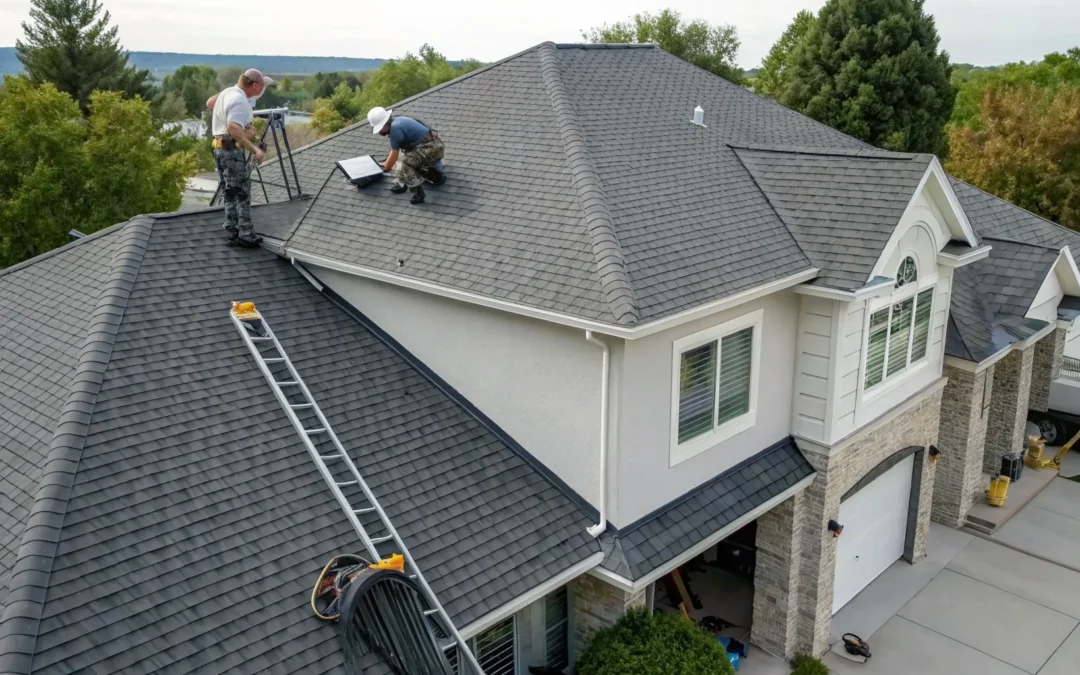
After a strong Michigan storm rolls through, it’s natural to worry about your roof. As a local, family-owned business here in Flushing, we get calls from neighbors just like you who need honest answers. The first question is always about the potential roof repair cost, and the truth is, it varies. A simple fix is very different from addressing widespread hail damage. We want to help you make the best decision for your home and family. That’s why we’ve put together this straightforward guide to help you understand the costs and what to expect when protecting your home.
Key Takeaways
- Know the Key Cost Factors: The price of a roof repair is determined by a few main elements, including your roofing material, the extent of the damage, and your roof’s size and complexity. Understanding these helps you make sense of any quote you receive.
- Prevent Problems with Regular Checkups: An annual professional inspection is your best tool for saving money. Catching small issues like loose shingles or minor leaks early is far more affordable than fixing the major water damage they can cause over time.
- Weigh Repair Costs Against Replacement: If a repair estimate is a large fraction of a new roof’s cost, or if your roof is old and has widespread damage, a full replacement is often the smarter financial move. It saves you from a cycle of recurring fixes and provides long-term value.
How Much Does Roof Repair Cost?
Figuring out what you might pay for a roof repair can feel like a guessing game. The truth is, costs can swing quite a bit depending on what’s going on up there. A few missing shingles won’t set you back nearly as much as a persistent leak that has started to cause structural issues. To give you a clearer picture, we’ve broken down the typical costs based on the level of repair needed. Whether you’re dealing with a minor annoyance or considering a major overhaul, this guide will help you understand the potential investment in your home’s roofing system. Let’s walk through the numbers, from small fixes to a complete replacement.
Minor Repairs: $150–$500
Let’s start with the small stuff. Minor repairs typically fall in the $150 to $500 range. These are the quick fixes that address problems before they escalate. Think of tasks like patching a small, isolated leak, replacing a few cracked or missing shingles, or securing loose flashing around a chimney. Even addressing minor pest damage or standing water falls into this category. While they may seem small, these repairs are essential for extending the life of your roof and preventing a much larger, more expensive headache down the road. Acting on these issues promptly is one of the smartest things you can do for your home.
Moderate Repairs: $500–$1,500
When damage is more significant, you’ll find yourself in the moderate repair category, which usually costs between $500 and $1,500. These jobs require more time and materials than a simple patch. This could involve more complex leak tracing to find the true source of water intrusion or repairing a section of the underlying roof deck that has started to soften. It might also include replacing a larger area of damaged shingles or fixing improperly installed flashing that’s causing water to get in. These repairs are crucial for stopping damage in its tracks and protecting the structural integrity of your home.
Major Repairs: $1,500–$7,000
Major repairs are serious business, with costs ranging from $1,500 to $7,000. This is where you’re dealing with significant problems that threaten your entire roofing system. Examples include repairing a sagging roof, which indicates underlying structural issues, or addressing extensive water damage that has led to widespread rot or mold growth. These repairs are complex and often involve replacing large sections of the roof deck and support structures. While the price tag is higher, addressing these issues immediately is necessary to avoid the even greater expense of a full roof replacement and to keep your home safe and sound.
Full Roof Replacement: $17,800–$60,000
Sometimes, a repair just isn’t enough. If your roof has widespread damage, is past its expected lifespan, or has persistent problems, a full replacement is the best long-term solution. The cost for a full roof replacement can range from $17,800 to $60,000 or more, depending on your home’s size, the materials you choose, and the complexity of the job. This is a major home improvement project, but it’s also a valuable investment. A new roof protects your home from the elements, improves energy efficiency, and increases your property value, giving you peace of mind for decades to come.
What Factors Influence Roof Repair Costs?
When you get a quote for a roof repair, the final number isn’t just pulled out of thin air. Several key elements combine to determine the total cost of your project. Understanding these factors will help you make sense of your estimate and see exactly where your money is going. From the materials you choose to the complexity of your roof’s design, each detail plays a part. Getting familiar with these variables is the first step toward planning your budget and ensuring you’re getting a fair price for professional roofing services. Let’s walk through the main components that shape the cost of a roof repair.
Roof Size and Complexity
It makes sense that the bigger your roof, the more it will cost to repair. A larger surface area requires more materials and more time to complete the job. But size isn’t the only thing that matters; the complexity of your roof’s design is also a major factor. If you have a steep roof with a sharp angle, the work becomes more challenging and requires special safety equipment and techniques. This added difficulty can increase labor costs, as the crew needs to move more carefully and deliberately to ensure a safe and high-quality repair.
Roofing Material
The type of material on your roof is one of the biggest drivers of repair costs. Common materials like asphalt shingles are generally the most affordable to repair or replace. On the other hand, premium materials like metal, slate, or tile have a higher price point for both the materials themselves and the specialized labor needed to work with them. When you get a quote, the cost of the roofing materials will be a significant line item, so the type you have (or choose for a replacement) will heavily influence the final bill.
Extent of the Damage
The scope of the repair work has a direct impact on the price. A few missing shingles after a windstorm is a relatively minor fix that might only cost a few hundred dollars. However, if you’re dealing with a widespread leak that has caused water damage to the underlying roof deck, you’re looking at a much more involved and expensive repair. For minor issues, costs typically range from $150 to $1,500. For major problems, the price can climb from $1,500 to $7,000 or more, especially if structural components need to be addressed.
Roof Slope and Accessibility
How easy is it for a crew to get on and work on your roof? A steep pitch not only adds complexity but also makes the roof less accessible. The same goes for multi-story homes or properties with extensive landscaping that makes it hard to place ladders and equipment. If your roof is difficult to access, you can expect labor costs to be higher to account for the extra time and safety precautions required. Emergency repairs, like those needed right after a major storm, can also cost more due to the sudden spike in demand for services.
Labor and Seasonal Timing
Labor typically makes up a large portion of your total roof repair bill, often around 60% of the final cost. This fee covers the skill, experience, and insurance of the professional crew doing the work. While it might seem like a big number, paying for quality labor from a trusted local contractor is an investment in your home’s safety and longevity. You can also be strategic about when you schedule your repairs. The busiest time for roofers is usually after summer storms. If your repair isn’t urgent, consider scheduling it for the late fall or early winter when demand is lower, which can sometimes lead to more competitive pricing.
Breaking Down Repair Costs by Material
The material covering your roof is one of the biggest factors in your final repair bill. From the asphalt shingles you see on most homes to elegant slate tiles, each material has a different price point, lifespan, and set of repair needs. Understanding these differences helps you set a realistic budget and know what to expect when you call a professional. Some materials are simpler and cheaper to patch up, while others require specialized skills and more expensive components. For example, fixing a few asphalt shingles is a very different job than replacing a cracked slate tile.
With over 20 years of experience, our team has worked with all types of roofing materials, so we’ve seen it all. We can help you understand the specific needs of your roof, whether it’s a quick shingle replacement or a more complex fix on a metal or tile surface. As a local, family-owned business, we believe in giving you clear, honest information so you can make the best decision for your home and your budget. Knowing what’s on top of your house is the first step to figuring out the cost to keep it in great shape for years to come.
Asphalt Shingles
Asphalt shingles are the most popular roofing choice for a reason: they’re affordable and relatively easy to work with. If you just need to replace a few damaged shingles, you can typically expect the repair to cost between $150 and $500. This makes them a practical option for many homeowners in the Flushing area. The downside is that asphalt can be vulnerable to damage from severe weather like high winds and hail, which might mean you see our repair truck a little more often. Still, for most minor issues, it’s a straightforward and budget-friendly fix that keeps your home protected without breaking the bank.
Metal
Metal roofs are champions of durability and longevity, but they aren’t completely immune to problems. A common issue we see is fasteners loosening over time as the metal expands and contracts with temperature changes, which can create small entry points for water. Repairing a section of a metal roof costs around $700 on average. While the initial investment for a metal roof is higher, the strength of the material often means you’ll face fewer repairs over its long lifespan. Think of it as a trade-off: a higher upfront cost for greater peace of mind and fewer repair bills down the road.
Tile
Tile roofing, whether it’s made of concrete or clay, offers incredible durability and a classic, beautiful look. However, repairs are more complex and costly. You can expect to pay between $6.30 and $12.30 per square foot for tile repairs. Clay tiles are on the higher end of that range but can last up to 100 years, making them a true long-term investment for your home. Because of the weight and interlocking nature of tiles, repairs require a skilled hand to avoid damaging the surrounding area, so it’s important to work with a team that has the right experience.
Slate
A slate roof is the definition of high-end durability, but it comes with a matching price tag for repairs. Replacing a single broken slate tile can cost about $250. If the metal flashing around the tile also needs to be repaired or replaced, that cost can quickly jump to $1,000 or more. While slate is incredibly tough, the real challenge can be finding a team with the right experience for the job. It’s a specialized skill that our family-owned business has perfected over the years, ensuring every repair is done with precision and care.
Wood Shake
Wood shake roofs have a beautiful, rustic appeal but require specific care to keep them looking and performing their best. Over time, the wood can dry out, become brittle, and split, making it susceptible to leaks. The cost to replace a handful of damaged wood shakes is typically around $800. To keep a wood shake roof in good condition and prevent these issues, regular maintenance is key. This helps preserve the wood, prevent rot, and extend the life of your roof so you can enjoy its unique charm for years.
Flat Roofs
Repair costs for flat roofs can vary widely because they use several different materials, like TPO and EPDM. Depending on the material and the extent of the damage, a repair could cost anywhere from $300 to $1,500. Leaks are a common problem with flat roofs, often caused by pooling water or membrane punctures from debris. Regular inspections are especially important here, as catching a small issue early can save you from a much more expensive and disruptive repair down the road.
Estimating Costs for Common Roof Repairs
When you notice a problem with your roof, it’s easy to jump to the worst-case scenario. But not every issue means you need a full replacement. Understanding the costs for common repairs can help you budget and plan without the stress. From a single missing shingle to more significant storm damage, let’s break down what you can generally expect to pay for different types of roof repairs. These estimates will give you a clearer picture of what it takes to get your roof back in top shape, protecting your home and your peace of mind.
Fixing Leaks
A small leak can quickly turn into a major headache, so addressing it early is always the best approach. For minor leak repairs, you can typically expect to pay between $150 and $1,500. This price range often covers issues like patching a small hole, replacing a few cracked shingles, securing loose nails, or fixing damage caused by pests. The final cost depends on how difficult it is to find the source of the leak and the materials needed for the fix. Catching and repairing a leak when it’s small is one of the smartest investments you can make to prevent water damage, mold growth, and more expensive structural repairs later on.
Repairing Storm and Hail Damage
Michigan weather can be unpredictable, and your roof often takes the brunt of it. After a severe storm, you might be looking at repairs for hail or wind damage. The cost for these repairs can vary widely, from $600 to over $6,500, depending on the extent of the damage. The good news is that your homeowner’s insurance policy often covers damage from storms. It’s a great idea to review your policy to understand your coverage. Many guides on roof repair costs confirm that documenting the damage with photos and getting a professional inspection are key steps in this process.
Replacing Missing or Damaged Shingles
Seeing a shingle on the ground after a windy day is a clear sign you need a small repair. For a standard asphalt shingle roof, replacing a few missing or damaged shingles is a relatively quick and affordable fix. This type of repair usually costs between $150 and $500. While it might seem like a minor issue, replacing those shingles promptly is crucial. Each shingle is part of a larger system that protects the underlayment and roof deck from water. Leaving a gap can expose your roof to moisture, leading to rot and leaks that are much more costly to fix.
Repairing or Replacing Flashing
Flashing is the thin metal material installed around chimneys, vents, and skylights to direct water away from these vulnerable areas. If it becomes rusted, loose, or damaged, it can no longer do its job, creating a prime spot for leaks. The cost to repair or replace flashing is typically between $10 and $20 per linear foot. While this might seem like a small component, properly installed flashing is essential for keeping your roof watertight. A professional inspection can determine if your flashing just needs a simple repair or a full replacement to ensure your home stays dry.
Fixing Fascia, Soffits, and Vents
Your roof is more than just shingles. The fascia (the board along the roofline), soffits (the material underneath the eaves), and vents are all critical parts of your roofing system. They protect the edges of your roof and provide essential attic ventilation. If these components are rotting or damaged, they need attention. Replacing fascia generally costs $4.25 to $8.62 per linear foot, while new soffits can run between $2.80 and $5.28 per linear foot. According to a roofing cost calculator, maintaining these elements is vital for your roof’s structural integrity and longevity.
Will Insurance Cover Your Roof Repair?
Figuring out if your homeowners insurance will pay for a roof repair can feel confusing, but it usually comes down to one key question: what caused the damage? Insurance is there to protect you from sudden and accidental events, not from the slow march of time. Understanding what is and isn’t covered can make a huge difference when you’re facing an unexpected repair bill. Let’s walk through what you need to know so you can feel prepared.
What’s Typically Covered
Homeowners insurance generally covers damage that is sudden and accidental. Think of things you couldn’t have predicted or prevented, like a severe storm. Damage from wind, hail, fire, lightning, or the weight of snow and ice is often covered. If a healthy tree falls on your roof during a storm, that’s another common example.
If you believe your roof damage falls into this category, your first move should be to document everything with photos. Then, it’s a good idea to get a professional roof inspection to get a clear report on the extent of the damage. This report will be incredibly helpful when you contact your insurance company to start the claims process.
What’s Usually Excluded
On the flip side, insurance policies almost always exclude damage that results from old age or a lack of maintenance. Problems like gradual wear and tear, shingles that have simply reached the end of their lifespan, or leaks caused by neglected flashing are considered the homeowner’s responsibility. Insurance companies expect you to perform regular upkeep to keep your home in good condition.
This also applies to any issues that existed before your policy began. If you have a slow leak that you haven’t addressed, for example, your policy won’t cover the resulting water damage. That’s why staying on top of small repairs and scheduling routine inspections is one of the best investments you can make in your home.
How to File a Successful Claim
Filing an insurance claim can feel intimidating, but a methodical approach will set you up for success. First, safely take clear photos and videos of the damage from every possible angle, including any interior leaks. Next, take reasonable steps to prevent further damage, like placing a tarp over the affected area, and be sure to keep your receipts for any materials you buy.
Before the insurance adjuster visits, it’s wise to get a professional inspection from a trusted local roofer. An expert can identify all related damage and give you a detailed report to support your claim. When you speak with your insurance company, keep a log of every conversation, including the date, time, and who you spoke with. This careful documentation is your best tool for a smooth and successful claims process.
Repair or Replace: Which Is More Cost-Effective?
Deciding between repairing your roof and replacing it entirely is one of the biggest financial choices a homeowner can make. A repair might seem like the obvious wallet-friendly option, but it isn’t always the most cost-effective solution in the long run. Sometimes, investing in a full replacement saves you from a cycle of endless repairs and gives you lasting peace of mind. The key is knowing how to spot the difference between a roof that needs a simple patch and one that’s ready for retirement.
As a family-owned business, we believe in giving honest advice that helps you make the best decision for your home and budget. We’ve seen firsthand how a timely replacement can protect a home for decades, preventing the stress and expense of recurring problems. Let’s walk through the signs that point toward replacement and the financial logic that can make it the smarter choice for your home in the long run.
Signs You Need a Full Replacement
Some roof problems are too significant for a simple fix. If you notice any of these major warning signs, a full replacement is likely your most practical and safest option. The most obvious factor is age. If your asphalt shingle roof is approaching or has passed the 20-year mark, it’s nearing the end of its expected lifespan. You might also see widespread issues like shingles that are curling, cracking, or losing their protective granules across large sections of the roof.
Another clear indicator is a sagging roofline. A droop or dip in the roof deck is a serious structural issue that repairs can’t solve. Finally, if your home already has two layers of shingles, building codes in many areas require a complete tear-off before installing a new roofing system.
When to Replace Instead of Repair
Even if your roof doesn’t have obvious structural problems, a replacement can still be the more financially sound decision. A good rule of thumb is the one-third rule: if a single repair estimate is close to one-third of the cost of a full replacement, it’s time to get quotes for a new roof. Pouring thousands of dollars into patching up an old roof that will likely fail again in a few years is a poor investment.
Widespread damage is another reason to lean toward replacement. If a storm damages more than 30% of your roof, replacing the entire thing may be more economical than trying to patch a large area. A new roof not only solves existing problems but also comes with a long-term warranty, protecting you from future expenses. Getting an honest assessment from a team you trust can help you weigh the costs and benefits.
Common Myths About Roof Repair Costs
When it comes to roof repairs, what you don’t know can definitely hurt your wallet. Misconceptions about cost can cause a lot of stress and sometimes lead homeowners to make decisions that are more expensive in the long run. Let’s clear the air and look at a few common myths about roof repair costs so you can approach your project with confidence.
“DIY Repairs Always Save Money”
The idea of tackling a roof repair yourself to save on labor is tempting, but it often comes with hidden costs and serious risks. Beyond the price of tools and materials, your time is valuable. More importantly, working on a roof is physically demanding and dangerous without the right training and safety equipment. A simple mistake could lead to a serious injury or cause more damage to your roof. Plus, many roofing material manufacturers require installation by a certified professional; a DIY job could accidentally void your roof’s warranty. For these reasons, hiring an experienced team is usually the safest and most cost-effective choice.
“All Roof Repairs Are Cheap”
It would be nice if every roof issue could be solved with a quick, inexpensive fix, but that’s rarely the case. The truth is that roof repair costs can range from $150 for minor patches to over $7,000 for extensive problems. The final price depends on the type of roofing material, the size of the damaged area, and the underlying issues. A few missing shingles after a storm is a very different job than repairing a large leak that has damaged the underlying roof deck. That’s why a professional inspection is so important; it gives you a clear picture of the problem and an accurate estimate.
“Labor Is Just a Small Part of the Bill”
Many homeowners are surprised to learn how much of their estimate is dedicated to labor. It’s easy to focus on the price of shingles, but the skill and time required for a proper repair are significant. In fact, for a full replacement, labor often accounts for around 60% of the total bill. This cost covers the expertise of a trained crew, their insurance and liability, proper safety protocols, and the efficiency that comes with experience. When you hire a trusted contractor, you’re not just paying for a service; you’re investing in the peace of mind that the job will be done correctly and safely.
“Skipping Maintenance Is a Good Way to Save”
Putting off routine maintenance might feel like you’re saving money now, but it’s one of the most expensive mistakes a homeowner can make. Your roof is constantly exposed to the elements, and small issues can appear at any time. Failing to check your roof regularly allows minor problems like a cracked shingle, loose flashing, or a clogged gutter to develop into major headaches. A small leak can lead to rotted wood, damaged insulation, and interior water damage, turning a simple repair into a major project. An annual inspection is a small investment that protects your home and prevents costly surprises down the road.
How to Save Money on Roof Repairs
Roof repairs can feel like an unexpected and unwelcome expense, but there are smart ways to manage the costs without compromising on the quality of the work. Being proactive about maintenance and strategic about when and how you schedule repairs can make a significant difference to your final bill. A little planning goes a long way in protecting both your roof and your budget. By taking a few key steps, you can prevent small issues from turning into costly disasters and ensure you’re getting the best value for your investment. These tips will help you keep your roof in top shape while keeping repair expenses as low as possible.
Schedule Annual Inspections
One of the most effective ways to save money on your roof is to catch problems before they escalate. We recommend scheduling a professional roof inspection at least once a year, especially after a harsh Michigan winter. Regular checks can identify minor issues like a few loose shingles, cracked flashing, or early signs of water intrusion. Addressing these small fixes right away is far more affordable than dealing with major structural damage, interior water leaks, or widespread mold growth down the line. Think of it as a checkup for your home; it’s a small investment that prevents expensive emergencies.
Act Quickly on Damage
If you spot a water stain on your ceiling or find a few shingles in your yard after a storm, don’t wait to address it. It’s tempting to put off small repairs, but even a minor issue can quickly worsen. A small leak can soak insulation, rot the wooden decking of your roof, and create an environment for mold to grow inside your walls and attic. What might have been a simple patch job can turn into a complex and expensive project. As soon as you notice a problem, call a professional to assess the situation. Fixing small problems promptly is always cheaper than ignoring them.
Group Repairs Together
If you know your roof needs a few different things fixed, it’s often more cost-effective to have them all done at once. Every time a contractor comes out, you’re paying for their time, travel, and setup. By bundling multiple repairs into a single visit, you can reduce the overall labor cost. For example, if a roofer is already on-site to replace some shingles, ask them to also inspect your gutters for damage or re-seal the flashing around your chimney. This approach streamlines the work and saves you from paying for separate service calls for each individual issue.
Get Multiple Quotes
When you’re facing a repair, it’s wise to get estimates from a few different local contractors. Aim for at least three detailed quotes. This allows you to compare not just the final price but also the scope of work, the quality of materials proposed, and the timeline for completion. A low bid isn’t always the best bid. A detailed quote will break down the costs for labor and materials, giving you a clear understanding of what you’re paying for. This process helps you find a fair price and a contractor who is transparent and thorough.
Time Your Repairs Wisely
The roofing industry has busy seasons and slower periods. Spring and summer are typically peak times for roof work, as homeowners rush to fix damage that occurred over the winter. If your repair isn’t an emergency, consider scheduling it during the off-season, like late fall or early winter. Some contractors may offer more competitive pricing during these slower months to keep their crews busy. While weather can sometimes cause delays, the potential savings can be worth it. Just ask contractors if they offer any seasonal discounts when you get your quotes.
Choose a Trusted Local Contractor
Your roof is one of your home’s most important assets, so you want to entrust it to a reliable professional. Always verify that a contractor has the proper licensing and insurance before hiring them. This protects you from liability in case of an accident on your property. Working with a local, family-owned business often means you get more personalized service and accountability. Look for companies with a long-standing reputation in your community, positive reviews, and a commitment to quality craftsmanship. A trustworthy contractor will do the job right the first time, saving you money on future fixes.
Frequently Asked Questions
My roof has a small leak. Can I wait a little while to get it fixed? I know it’s tempting to put a small repair on the back burner, but with roofing, waiting is almost always a mistake. That tiny leak can be a sign of a bigger problem, and even a small amount of water can cause serious hidden damage over time. Moisture can seep into your attic, rot the wooden roof deck, ruin insulation, and create the perfect environment for mold to grow. Addressing a leak as soon as you spot it is the most effective way to prevent a simple, affordable fix from turning into a major, expensive project.
How do I know if I need a simple repair or a whole new roof? This is a big question, and the answer usually comes down to three things: age, the extent of the damage, and structural integrity. If your asphalt shingle roof is over 20 years old, it’s likely nearing the end of its life, and a replacement is a smarter investment than a patch. Similarly, if damage from a storm affects more than 30% of your roof, a full replacement is often more cost-effective. The most critical sign, however, is a sagging roofline, which points to structural issues that a simple repair cannot solve.
Why does labor make up such a large portion of the repair cost? It’s true that labor is a significant part of any roofing quote, and for good reason. When you hire a professional crew, you are paying for much more than just physical work. That cost covers the team’s specialized training, their experience, and the proper safety equipment needed to work securely on your roof. It also includes essential protections for you, like liability insurance and workmanship warranties. Essentially, you are investing in the peace of mind that the job will be done correctly, safely, and to a standard that protects your home for years.
Will my homeowner’s insurance definitely cover damage from a storm? While homeowner’s insurance is designed to cover sudden and accidental damage, like from a wind or hail storm, coverage is never guaranteed. Policies typically do not cover damage that results from old age or a lack of maintenance. To have the best chance at a successful claim, you should document the damage thoroughly with photos, take steps to prevent it from getting worse (like using a tarp), and get a detailed inspection from a trusted roofer. This professional report will be your best tool when you contact your insurance provider.
Is it really worth paying for an annual roof inspection? Absolutely. Think of an annual inspection as a small, proactive investment that can save you thousands of dollars down the road. A trained professional can spot subtle issues you might miss, such as cracked sealant around vents, loose flashing, or early signs of shingle wear. Catching these problems early allows for minor, inexpensive repairs. This prevents them from developing into major leaks that could cause structural rot or interior water damage, which are far more disruptive and costly to fix.
Recent Comments