
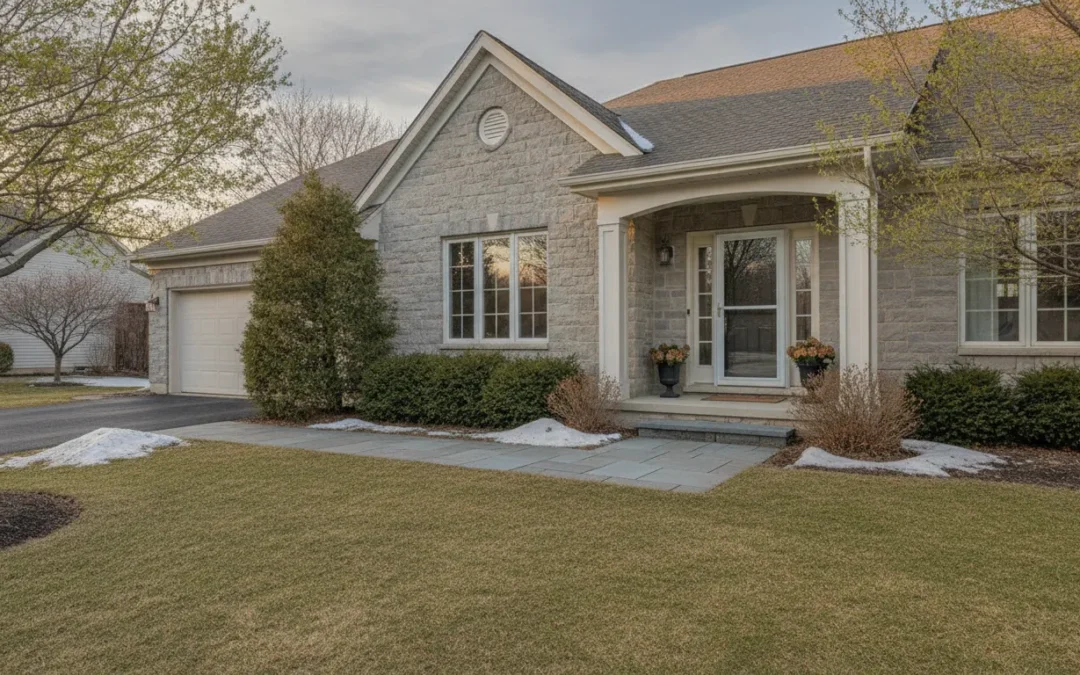
If you are comparing a storm door vs. screen door in Michigan, the best choice depends on what your entryway needs to do through every season. This decision fits into the larger Michigan siding, windows, and doors guide for homeowners planning exterior upgrades. A screen door prioritizes airflow and insect control during mild weather. A storm door adds a stronger layer of protection, with glass, a more substantial frame, and optional ventilation panels. For many Michigan homeowners, the decision comes down to year-round weather exposure versus warm-season airflow, not simply which door costs less.
Schedule a no-pressure entryway consultation with Signature Home Pros.
What Is a Storm Door?
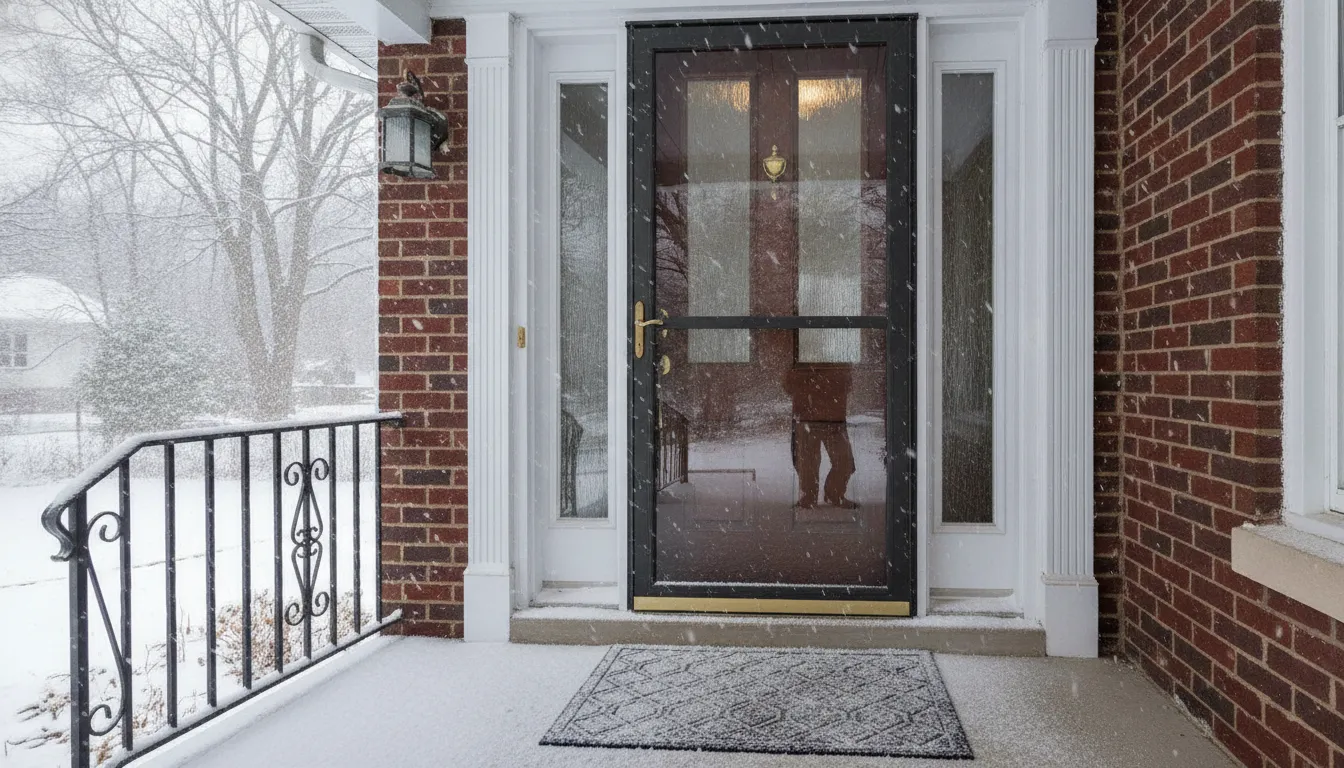
A storm door is an exterior door installed in front of a primary entry door. It typically uses a durable frame with a glass panel, a screen panel, or a combination of both. The storm door creates a buffer against rain, snow, wind, and everyday wear while allowing daylight into the entryway. Some designs also include a closer, keyed lock, retractable screen, or adjustable glass configuration.
Unlike a temporary seasonal panel, a well-fitted storm door is intended to stay in place year-round. Its value depends on the condition of the main entry door, the exposure of the porch, the direction the door faces, and the quality of the installation. A storm door cannot correct a leaking threshold or a damaged primary door by itself, but it can reduce direct exposure and add another useful layer at the entrance.
Storm door benefits
- Weather protection: Glass and a sealed frame help shield the primary door from precipitation and wind.
- Flexible ventilation: Many models switch between glass and screen panels or use a retractable screen.
- More daylight: A clear panel can brighten a darker foyer without leaving the main door open.
- Added separation: The extra door can create a more controlled transition between indoors and outdoors.
- Entryway durability: A sturdy frame and closer can handle frequent daily use when correctly installed.
What Is a Screen Door?
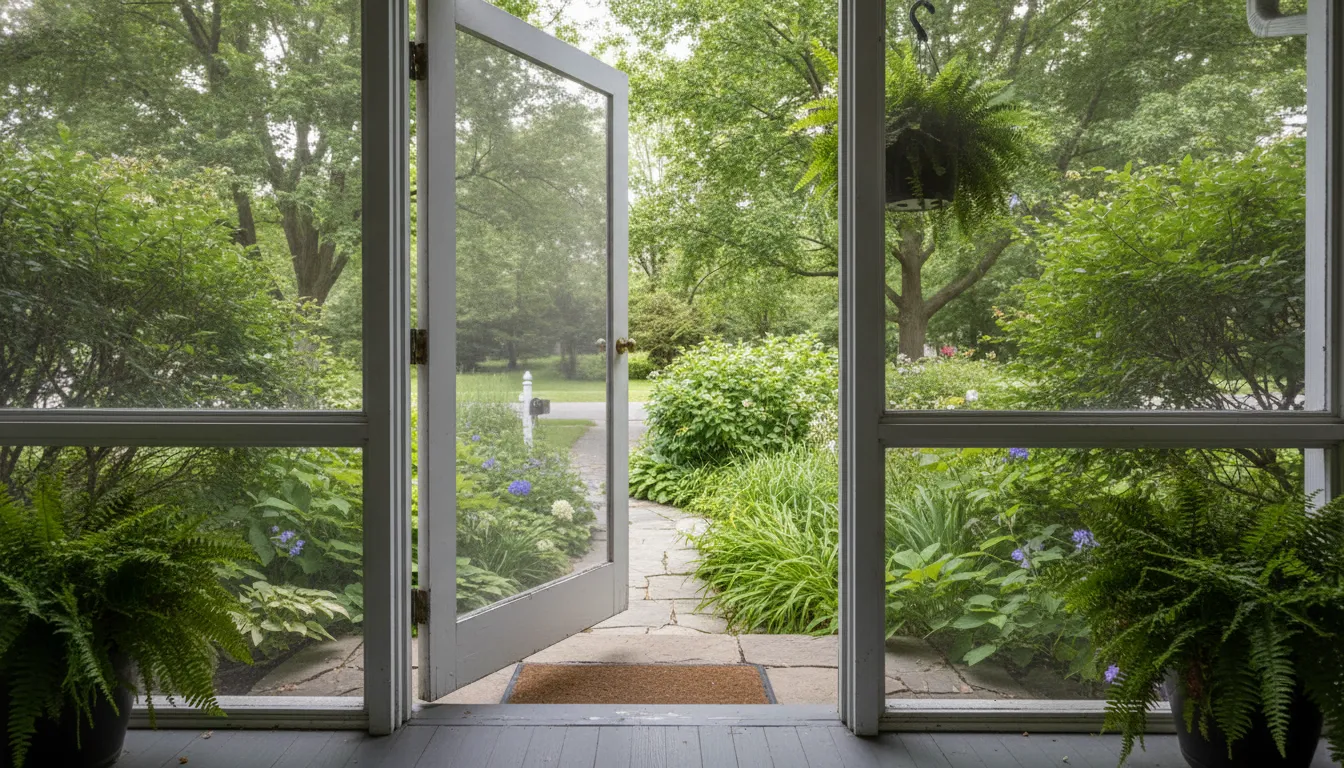
A screen door is a lightweight exterior door with mesh instead of a full glass panel. Its main job is to let fresh air move through the home while blocking common insects. Screen doors may use aluminum, vinyl, wood, or another frame material, and they can be hinged, sliding, or fitted to a patio opening depending on the entry design.
Screen doors work best when ventilation is the priority and the entry is protected from severe weather by a porch, overhang, or sheltered orientation. They are especially useful during Michigan’s warmer months, when homeowners want natural airflow without inviting mosquitoes and other insects inside. A screen does not provide the same barrier against snow, driving rain, or cold drafts as a properly sealed storm door.
Screen door benefits
- Natural airflow: Mesh allows breezes to pass through while the main door is open.
- Warm-weather comfort: A screen can support passive ventilation on mild spring and summer days.
- Insect control: Properly fitted mesh helps keep bugs outside.
- Lightweight operation: Many screen doors are simple to open, close, remove, or replace.
- Clear seasonal purpose: A screen is a straightforward choice when winter protection is not the priority.
Weather Protection: Which Works Better in Michigan?
For Michigan’s snow, freeze-thaw cycles, wind, and wet shoulder seasons, a storm door generally provides more weather protection than a basic screen door. The glass panel and frame create a more substantial barrier at the entry. A screen door is better suited to sheltered warm-weather ventilation. The right choice also depends on porch coverage, door exposure, and whether the primary entry is already sound and well sealed.
Michigan weather changes quickly. An entry that is comfortable in July may face blowing snow in January and driving rain in April. A storm door gives homeowners the option to keep the outer layer closed during rough conditions while still using a screen or ventilation setting when temperatures moderate. That flexibility is often the deciding advantage for a frequently used front or side entrance.
Consider the direction and exposure of the entry
North-facing and wind-exposed entries may benefit from a stronger weather barrier. An entry beneath a deep porch roof may need less protection than one exposed to rain and snow. South- and west-facing doors also deserve a heat check: direct sun can increase heat buildup between a storm door and the primary door, particularly when the entry has dark materials or limited airflow. Follow the product manufacturer’s installation and ventilation guidance rather than assuming every storm door behaves the same way.
Look beyond the outer door
Drafts can come from the primary door, threshold, frame, or surrounding wall, not just from the absence of a storm door. Check whether the door closes squarely, whether weatherstripping is compressed, and whether the threshold has visible gaps. If the main entry is warped, deteriorated, or difficult to lock, a replacement door may solve more of the problem than adding a second layer.
Talk with Signature Home Pros about a better-sealed windows and doors plan for your home.
Cost Comparison for Michigan Homeowners
A storm door usually represents a larger upfront investment than a basic screen door because it has a heavier frame, glass, hardware, and more involved installation. A screen door can be the simpler and more economical choice when the goal is seasonal airflow. The final cost for either option depends on the opening size, existing frame condition, material, hardware, glass or mesh configuration, and installation requirements.
| Decision factor | Storm door | Screen door |
|---|---|---|
| Primary purpose | Weather buffering, daylight, security, and flexible ventilation | Fresh air and insect control |
| Michigan winter fit | Better suited to year-round exposure when properly sealed | Usually removed, covered, or replaced for severe weather |
| Materials | Glass or interchangeable panels with a durable frame | Mesh with a lightweight frame |
| Maintenance focus | Weatherstripping, closer, hardware, glass, and panel seals | Mesh, frame alignment, hinges, and latch |
| Best value case | One outer door that serves multiple seasons | Simple warm-weather ventilation |
Do not compare options by purchase price alone. A door that does not fit the opening or close securely can create drafts, premature wear, and repeat repair work. Ask what the installation includes: measurement, frame preparation, threshold review, hardware adjustment, sealing, and final operation check. For an entry with existing damage, include the cost and timeline of correcting the underlying condition before choosing the outer door.
When to Choose a Storm Door vs. a Screen Door
Choose a storm door when the entrance needs a year-round layer of protection, the primary door is in good condition, and you want the option to use glass or screening. Choose a screen door when airflow and insect control are the main goals, the opening is sheltered, and winter weather protection is already handled by the primary door and porch design.
Choose a storm door if you want:
- Protection from driving rain, snow, and wind at an exposed entry.
- A more durable outer layer for a high-traffic front or side door.
- Natural light without leaving the primary door fully open.
- Seasonal ventilation through a retractable or interchangeable screen.
- An opportunity to improve the entry’s overall sealing and hardware setup.
Choose a screen door if you want:
- More airflow during Michigan’s mild spring and summer weather.
- A light door that is easy to open for frequent in-and-out use.
- Insect protection without a full glass panel.
- A simple seasonal solution for a covered porch or sheltered entry.
- To prioritize ventilation over winter weather resistance.
There is also a third option: a combination storm door with a built-in screen or interchangeable panels. This design can reduce the need to store a separate seasonal door, but it still must match the opening, primary door, porch conditions, and homeowner’s maintenance expectations.
How to Choose the Right Option for Your Entry
The best storm door or screen door is the one that matches the entry’s exposure, dimensions, traffic, and long-term purpose. Before you shop, inspect the opening and identify how the entrance is used in each season. A short checklist can prevent a mismatch between the product and the home.
- Measure the opening: Record the width at the top, middle, and bottom, plus the height and the available mounting surface.
- Check the frame: Look for rot, swelling, cracks, loose trim, or signs that the opening is out of square.
- Assess exposure: Note snow drift, wind, rain, direct sun, and how much protection the porch roof provides.
- Define the main use: Decide whether you care most about winter protection, summer airflow, daylight, security, or convenience.
- Review operation: Confirm the swing direction, handle clearance, closer location, latch position, and pet or child considerations.
- Plan maintenance: Ask how panels, mesh, weatherstripping, hinges, and closers will be cleaned or replaced.
When a full entry door replacement makes more sense
An outer door is not a substitute for a primary entry door that is damaged, poorly insulated, difficult to lock, or improperly sized. If you are already seeing drafts, water staining, soft wood, failed glass, or movement at the frame, evaluate the entire entry system. Signature Home Pros works with entry doors and can help homeowners compare a focused storm-door upgrade with a broader door replacement plan, including ThermaTru options where appropriate.
For a larger exterior project, use the Michigan siding, windows, and doors guide to see how an entry decision can fit with material selection, energy goals, curb appeal, and project timing. Coordinating related exterior work may help you avoid choosing a door finish or trim detail that conflicts with other planned improvements.
How Does a Storm or Screen Door Fit a Larger Exterior Upgrade?
A storm or screen door is a smaller entry decision, but it still affects the look, comfort, and protection of the home’s exterior. If you are replacing siding, windows, or the primary entry door, choose the outer-door style after the rough opening, trim profile, and final door swing are understood. That sequence helps prevent mismatched colors, blocked hardware, and installation conflicts.
The same planning principle applies to energy improvements. A new outer door may improve comfort at one entrance, but it cannot compensate for failed windows, missing weatherstripping, or an entry door that no longer seals. A whole-home review lets you prioritize the improvement that addresses the largest source of discomfort instead of treating every draft as a storm-door problem.
Book a consultation to review your Michigan entryway and exterior project options.
Frequently Asked Questions
Is a storm door better than a screen door for Michigan winters?
Usually, yes. A properly fitted storm door provides a more substantial barrier against wind, rain, and snow than a basic screen door. It is not a replacement for a sound primary entry door, but it is generally the better outer-door choice for a Michigan entrance that remains exposed through winter.
Can a storm door include a screen?
Many storm doors offer a retractable screen or interchangeable glass and screen panels. Confirm the exact configuration before buying because products differ in how panels are changed, how much ventilation they provide, and how they handle direct sun.
Does a screen door protect against drafts?
A screen door is designed primarily for airflow and insect control, not insulation. It may reduce direct exposure when closed, but it should not be expected to seal a drafty entry. Check the primary door, frame, threshold, and weatherstripping if comfort is the concern.
Should I replace the entry door before adding a storm door?
If the primary entry door is warped, damaged, poorly sealed, or difficult to lock, address that condition first. A storm door works best when installed over a stable, correctly sized, well-sealed primary door and frame.
How do I compare storm-door installation options?
Ask whether the estimate includes opening measurements, frame and threshold inspection, hardware adjustment, sealing, closer setup, and an operation check. Those details matter as much as the panel style when the goal is reliable performance through Michigan’s changing seasons.
Recent Comments