
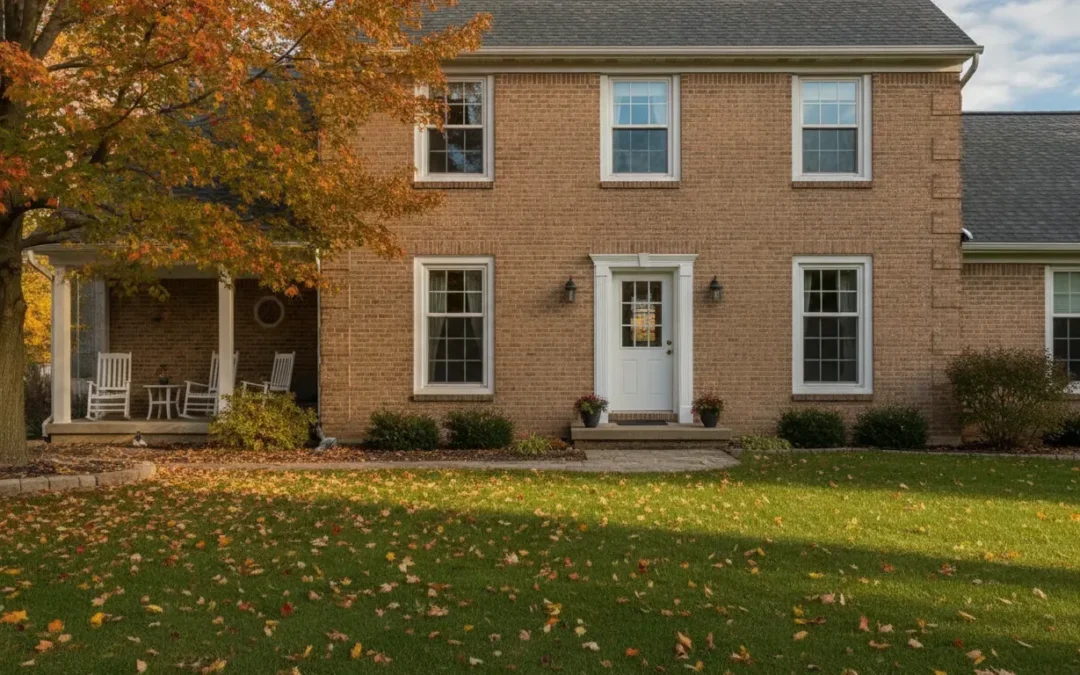
When Michigan homeowners compare single-hung and double-hung windows, the main difference is simple: a single-hung window has one movable sash, while a double-hung window has two. That operating difference affects ventilation, cleaning, maintenance, and the best fit for each room. For a broader look at exterior upgrades, start with Signature Home Pros’ Michigan guide to siding, windows, and doors, then use this comparison to narrow down the window style.
Schedule a window consultation with Signature Home Pros.
What Is a Single-Hung Window?
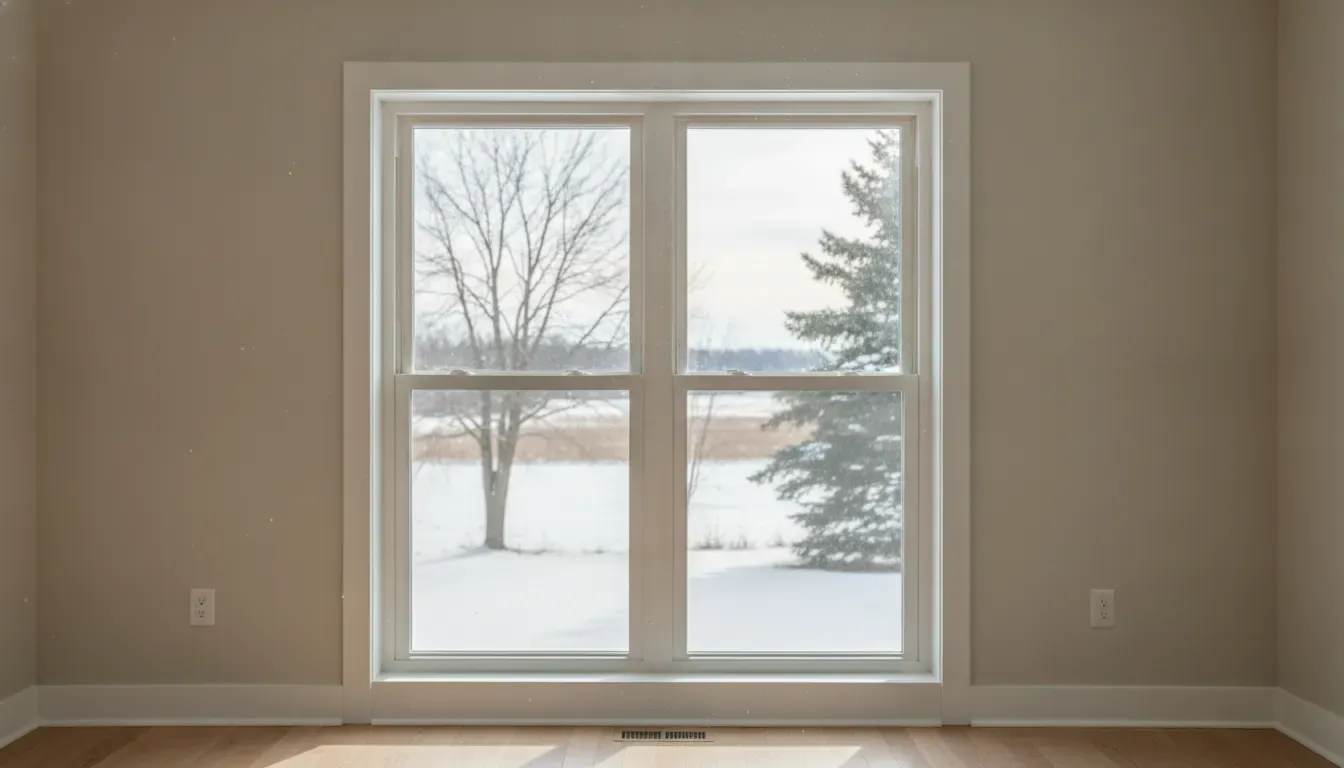
A single-hung window has two vertically stacked sashes, but only the lower sash moves. You raise the bottom sash to open the window, while the upper sash remains fixed in the frame. This straightforward design gives a room a familiar traditional look and provides dependable bottom-up ventilation without the added hardware required for a second movable sash.
Single-hung windows are common in bedrooms, living rooms, additions, and other spaces where homeowners want a classic vertical window but do not need to open the top section. They can be a practical choice when the window is easy to reach and the room’s ventilation needs are modest.
How a single-hung window operates
- The lower sash slides upward to open.
- The upper sash remains stationary.
- Fresh air enters through the lower opening.
- The window closes against one main moving sash.
- Available materials and energy ratings vary by manufacturer and product line.
The term sash means the framed section that holds the glass. Both single-hung and double-hung windows have upper and lower sashes. The word “single” refers to the number of sashes that operate, not the number of glass panes or the number of window sections.
What Is a Double-Hung Window?
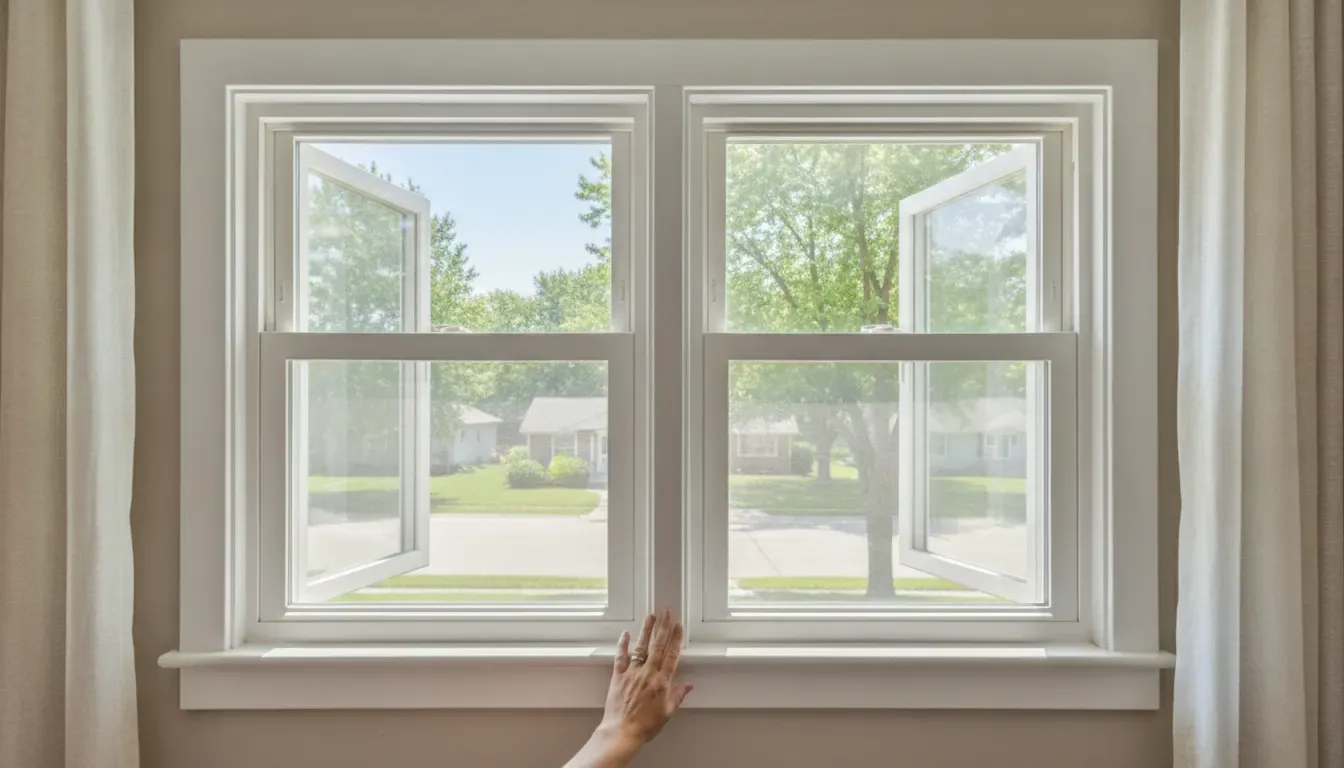
A double-hung window has two movable sashes. The lower sash can slide up, and the upper sash can slide down. That gives homeowners more control over where air enters and exits the room. In many models, both sashes also tilt inward, which can make cleaning the exterior glass from inside the home easier.
Double-hung windows are useful in rooms that benefit from flexible airflow, upper-floor spaces where exterior cleaning is difficult, and homes where homeowners want one versatile window style throughout the house. Their familiar proportions also suit many Michigan home designs, including Colonials, farmhouses, Craftsman homes, and traditional two-story houses.
How a double-hung window operates
- The lower sash slides upward.
- The upper sash slides downward.
- Either sash can be opened independently.
- Both sashes can be opened at the same time for cross-flow within the window opening.
- Tilt-in hardware may allow cleaning from inside, depending on the product.
Not every double-hung window has the same hardware, opening limits, or cleaning features. Ask for the exact product specifications rather than assuming that every model operates identically.
Single-Hung vs. Double-Hung Windows: What Is the Difference?
Single-hung and double-hung windows share a similar vertical appearance, but their ventilation and maintenance capabilities differ. A single-hung window opens from the bottom only. A double-hung window can open from the top, bottom, or both, which gives homeowners more control but also adds moving parts and hardware.
| Feature | Single-hung window | Double-hung window |
|---|---|---|
| Movable sashes | Lower sash only | Upper and lower sashes |
| Ventilation | Air enters through the lower opening | Air can enter or exit through either opening |
| Cleaning | Depends on whether the lower sash tilts | Many models tilt both sashes inward |
| Hardware | Fewer operating parts | More operating parts and balances |
| Best fit | Reachable rooms with simple ventilation needs | Rooms needing flexible airflow or easier upper-level cleaning |
The best choice depends on the room, the height of the window, how often you ventilate, and how you plan to clean and maintain it. Neither style is automatically right for every Michigan home.
Which Is Better for Michigan Homes?
For Michigan homes, double-hung windows often make sense in rooms where homeowners want more ventilation and easier cleaning access. Single-hung windows can be a strong fit when simplicity, reachability, and a classic appearance matter more than top-sash operation. Local weather is only one part of the decision. Installation quality, flashing, air sealing, and the window’s performance ratings also matter.
Ventilation during changing seasons
Michigan homeowners may want to air out a room during mild spring and fall weather, release warm air near the ceiling, or create a more comfortable airflow pattern without opening a door. A double-hung window gives you more ways to position the opening. Opening the lower sash lets air in, while opening the upper sash can help warm indoor air escape.
A single-hung window still provides useful ventilation through the lower sash. If the room is on the first floor and the window is easy to reach, that may be all the control you need. Good ventilation also depends on weather, screens, room layout, and the home’s overall air movement, so a window style alone cannot guarantee a particular comfort result.
Cleaning upper-floor windows
Cleaning an upper-floor window from the outside can require a ladder or extension tools. A double-hung window with tilt-in sashes may allow a homeowner to clean both sides of the glass from inside. That can make routine maintenance safer and more convenient, especially on a second story.
Cleaning access depends on the specific model. Some single-hung windows include a tilt-in lower sash, but the fixed upper sash may still require outside access. Before choosing a style for a second-story room, confirm how each sash releases, tilts, and locks. Never force a sash or lean through an opening to reach exterior glass.
Cold weather and installation quality
In a Michigan climate, the quality of the complete installation matters more than the label single-hung or double-hung by itself. A properly sized window with sound flashing, an appropriate sill pan, perimeter insulation, and durable air sealing can help manage drafts and moisture. A poorly installed premium window can still perform badly.
When comparing products, look for the National Fenestration Rating Council, or NFRC, label. NFRC explains that its residential certification program reports standardized performance information such as U-factor, solar heat gain coefficient, visible transmittance, air leakage, and condensation resistance. Review NFRC residential window performance information before comparing labels. For a Michigan replacement project, ask how the selected product and installation details work together for the home’s exposure and existing opening.
What Is the Cost Difference Between Single-Hung and Double-Hung Windows?
Single-hung windows are often less expensive to manufacture than comparable double-hung windows because they have fewer movable parts. However, the final project cost depends on more than the operating style. Material, size, glass package, color, grille pattern, trim, removal work, opening repairs, installation complexity, and the number of windows can all affect a quote.
Do not treat a lower purchase price as the same thing as lower project value. A double-hung window may be worth considering when easier cleaning or more flexible ventilation will make the room more useful for years. A single-hung window may be the better value when the opening is reachable and the homeowner will not use the upper sash.
For a complete cost discussion, see the existing guide to replacement window costs in Michigan. That guide covers project factors broadly. This article’s focus is the operating-style decision, not a promise of a specific price.
Cleaning and Maintenance Comparison
Both window styles need regular cleaning, screen care, hardware checks, and inspection of seals and exterior trim. The difference is how much access the operating design provides. Double-hung windows generally offer more cleaning flexibility when both sashes tilt. Single-hung windows have fewer moving parts, which may simplify operation, but a fixed upper sash can make exterior cleaning more difficult.
Single-hung maintenance checklist
- Clean the lower sash and inspect the track for dirt or grit.
- Check that the lock closes fully without forcing it.
- Inspect the fixed upper sash, glazing, and exterior trim for moisture or deterioration.
- Keep weep paths clear so water can drain as designed.
- Ask a professional to inspect a sash that binds, drops, or will not stay open.
Double-hung maintenance checklist
- Clean both sash tracks and remove debris that can affect movement.
- Operate each sash slowly and confirm that both locks engage.
- Use the manufacturer’s instructions before releasing or tilting a sash.
- Inspect balances and hardware for unusual noise, looseness, or uneven movement.
- Check the frame, sealants, and exterior trim after severe weather.
Avoid applying random oil or household lubricants to window hardware. Some products can attract dirt or damage components. Follow the manufacturer’s care instructions, and ask the installer which maintenance products are compatible with the selected window.
How Do You Choose the Right Window Style?
Choose a single-hung or double-hung window by matching the operating design to the room and the homeowner’s priorities. Start with function, then compare performance ratings, material, appearance, installation requirements, and long-term maintenance. A room-by-room plan can be more useful than selecting one style for every opening.
Choose single-hung when these priorities matter
- You want simple bottom-up ventilation.
- The window is easy to reach and clean.
- You prefer fewer operating components.
- The room does not need top-sash ventilation.
- You want to compare a potentially lower-cost option without sacrificing the vertical window look.
Choose double-hung when these priorities matter
- You want to open the top sash, lower sash, or both.
- You are planning for easier cleaning of upper-floor windows.
- You want more ventilation control in bedrooms, kitchens, or living spaces.
- You value flexible operation enough to accept additional hardware.
- You want a traditional window style that can be mixed with other openings as part of a larger replacement plan.
It is also possible to use both styles in one home. For example, a homeowner might choose double-hung windows for second-floor bedrooms and single-hung windows for reachable areas where top-sash ventilation is not important. A qualified installer can review the existing openings, check for moisture or framing concerns, and explain which products fit the project.
Signature Home Pros installs replacement windows and doors using products from trusted manufacturers, including Alliance Window Systems. Review the windows and doors service page to see the available service approach, then ask for recommendations based on your home’s openings rather than choosing from a generic list.
Call (810) 270-5922 for a window consultation and free project discussion.
Frequently Asked Questions
Is it better to have single-hung or double-hung windows?
Neither style is universally better. Single-hung windows suit reachable openings and homeowners who want simple bottom-up ventilation. Double-hung windows suit rooms where flexible airflow and easier upper-floor cleaning are priorities. Compare the actual product, ratings, hardware, and installation plan before deciding.
What are the disadvantages of single-hung windows?
The upper sash does not open, so single-hung windows provide less ventilation control. A fixed upper sash may also be harder to clean from inside, especially on an upper floor. These limitations may not matter in a reachable room with modest ventilation needs.
Are double-hung windows harder to maintain?
Double-hung windows have more moving parts, so they can require attention to additional balances, locks, and sash hardware. Many models make cleaning easier because both sashes tilt inward. Routine inspection and manufacturer-approved care help keep the operating parts working properly.
Do double-hung windows cost more than single-hung windows?
Comparable double-hung windows often cost more because they include a second operating sash and additional hardware. The final project cost also depends on size, material, glass, trim, removal, opening repairs, and installation. Request a project-specific quote instead of relying on a general price assumption.
Which window style is best for a second story?
A double-hung window with tilt-in sashes can be convenient for second-story cleaning and ventilation. Confirm that the specific model includes the cleaning features you want and that the installer explains safe operation. Product design varies, so do not assume every double-hung window tilts the same way.
Can single-hung and double-hung windows be used in the same house?
Yes. Homeowners can choose the style that fits each room’s ventilation, reachability, cleaning, appearance, and budget priorities. Using complementary finishes and proportions can keep the exterior cohesive while allowing more flexible operation where it provides the most value.
Recent Comments