
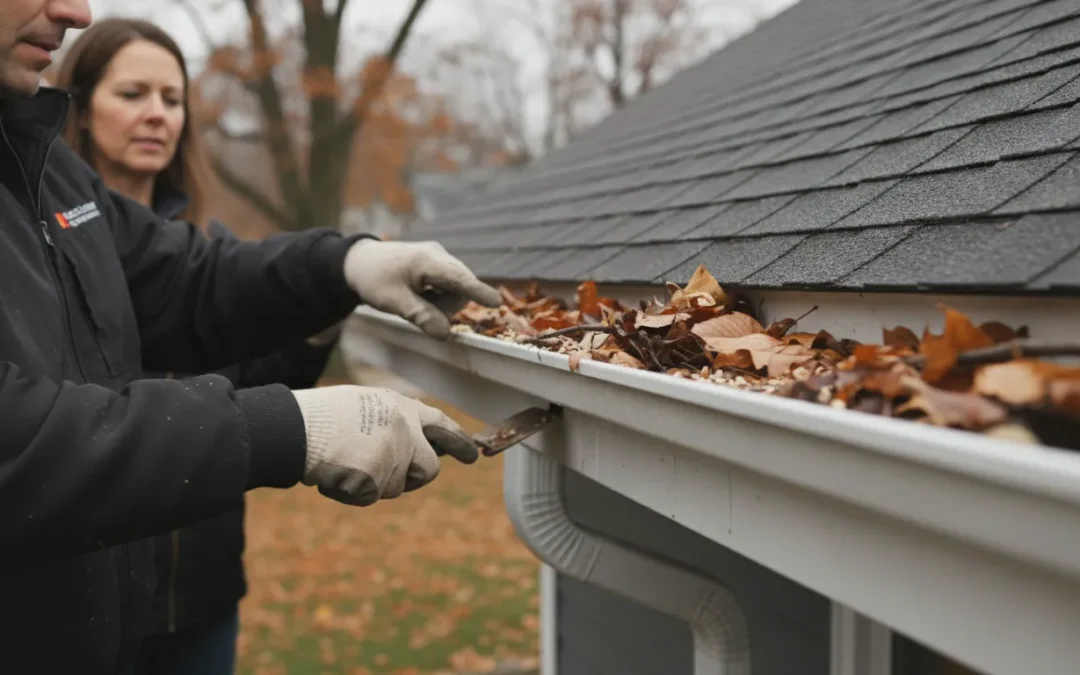
When Michigan homeowners search for gutter replacement vs repair Michigan, they usually want a practical answer. Can a local problem be fixed, or is the entire system failing? A leaking corner does not automatically mean you need new gutters. On the other hand, repeated leaks, sagging runs, rust, and water pooling near the foundation can point to a larger drainage problem. This guide explains what to look for before you spend money, and it connects the decision to the bigger factors covered in Signature Home Pros’ Michigan gutter installation guide.
Need a second opinion? Schedule a free gutter estimate with Signature Home Pros.
How Michigan Homeowners Choose Between Gutter Replacement and Repair
Short answer: Repair usually makes sense when damage is limited to one or two areas. The rest of the gutter system should remain straight, securely attached, and correctly draining. Localized seam leaks, a loose hanger, a separated downspout connection, or a small dent may not justify removing every gutter run.
Start by looking at the pattern of the problem, not just the most obvious drip. A focused repair may be appropriate when you see:
- A leak at one joint or end cap: A localized connection can sometimes be resealed after the area is cleaned and dried.
- One loose or missing hanger: A short section that is pulling away may need a replacement fastener or additional support.
- A single disconnected downspout: Reconnecting the downspout and checking its discharge point may restore drainage without replacing the full system.
- A small dent that does not change the slope: A minor impact mark is less urgent if water still flows toward the outlet and the metal is not splitting.
- A clog or isolated overflow: Leaves and roof debris can create symptoms that look like a failed gutter. Cleaning and correcting the nearby drainage path may solve the issue.
The repair decision should also include the fascia, soffit, roof edge, and downspout outlet. If the gutter is secure but water is backing up because the outlet is blocked or the downspout cannot carry the flow. Replacing the entire run may not solve the real problem. A professional inspection should trace the water path from the roof edge to the final discharge point.
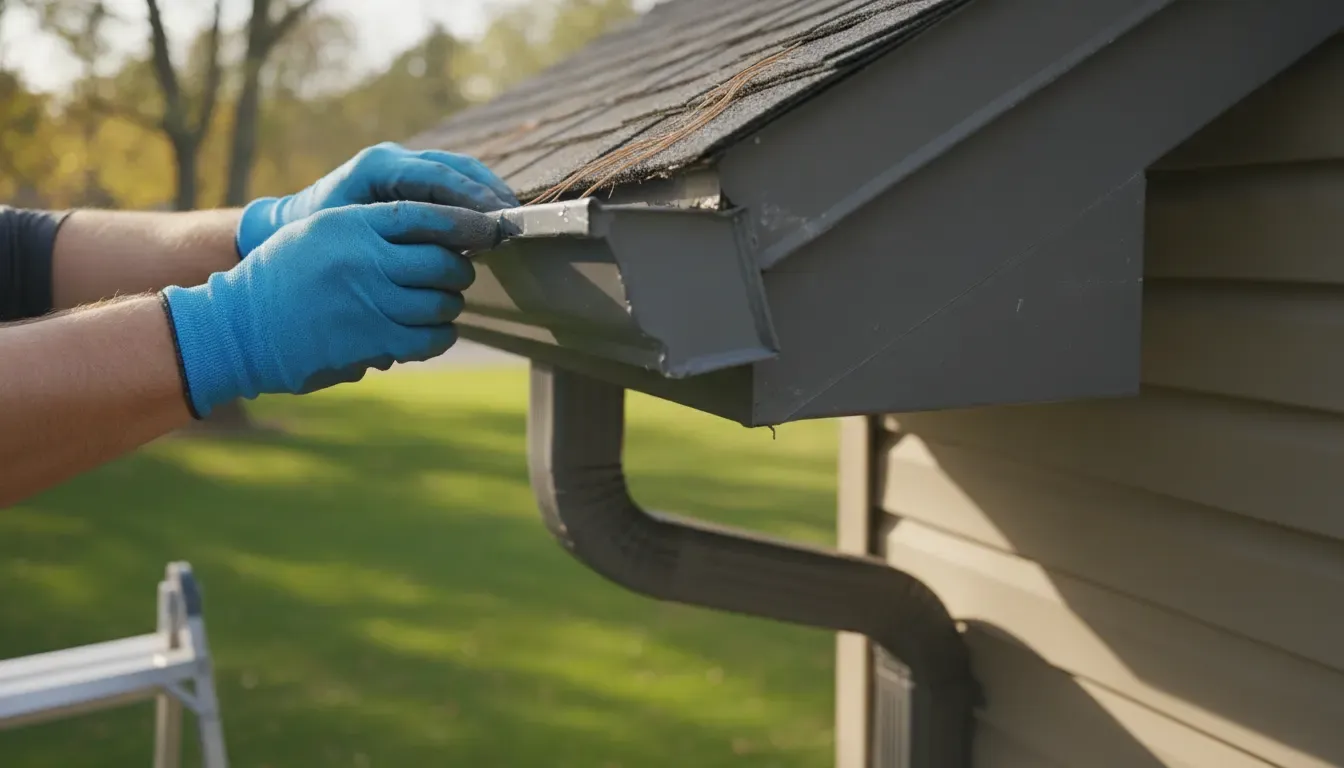
Repairs become less attractive when the same area fails repeatedly. Sealant can close a gap, but it cannot correct a gutter that has lost its pitch. It also cannot fix a fascia board that no longer holds hangers or a run that is too small for the roof area. If a repair is only masking a system-wide problem, replacement may be the more responsible long-term choice.
Signs You Need Full Gutter Replacement
Short answer: Full gutter replacement deserves consideration when damage is widespread. It is also worth considering when water is not moving reliably through several sections or when the attachment points and surrounding fascia have deteriorated. Replacement deserves more attention when repairs keep returning or the current system cannot serve the home’s drainage needs.
Look for several symptoms occurring together rather than relying on one sign alone:
- Long sections are sagging: A continuous dip can hold standing water and indicates more than one loose fastener.
- Multiple joints are leaking: Several failed seams suggest the system’s connections or sealant are reaching the end of their useful service.
- Gutters pull away from the fascia: Separation can expose the roof edge and may signal damaged wood behind the hangers.
- Cracks, holes, or extensive corrosion are visible: A few small defects may be patched, but widespread openings reduce confidence in a repair-only approach.
- Water continues to collect near the foundation: Overflow, short downspouts, poor slope, or undersized sections can all contribute. The entire drainage path needs review.
- The system does not match the roof layout: A home addition, reroof, new landscaping, or changed downspout route can leave the original system poorly suited to current runoff.
Replacement does not mean every home needs the same product. The right design depends on roof area, roof pitch, run length, corners, downspout placement, tree cover, fascia condition, and the home’s exposure to rain, snow, and ice. Signature Home Pros installs custom seamless aluminum gutters and offers residential 5-inch and larger 6-inch options. So the assessment should match the home rather than default to a one-size-fits-all answer.
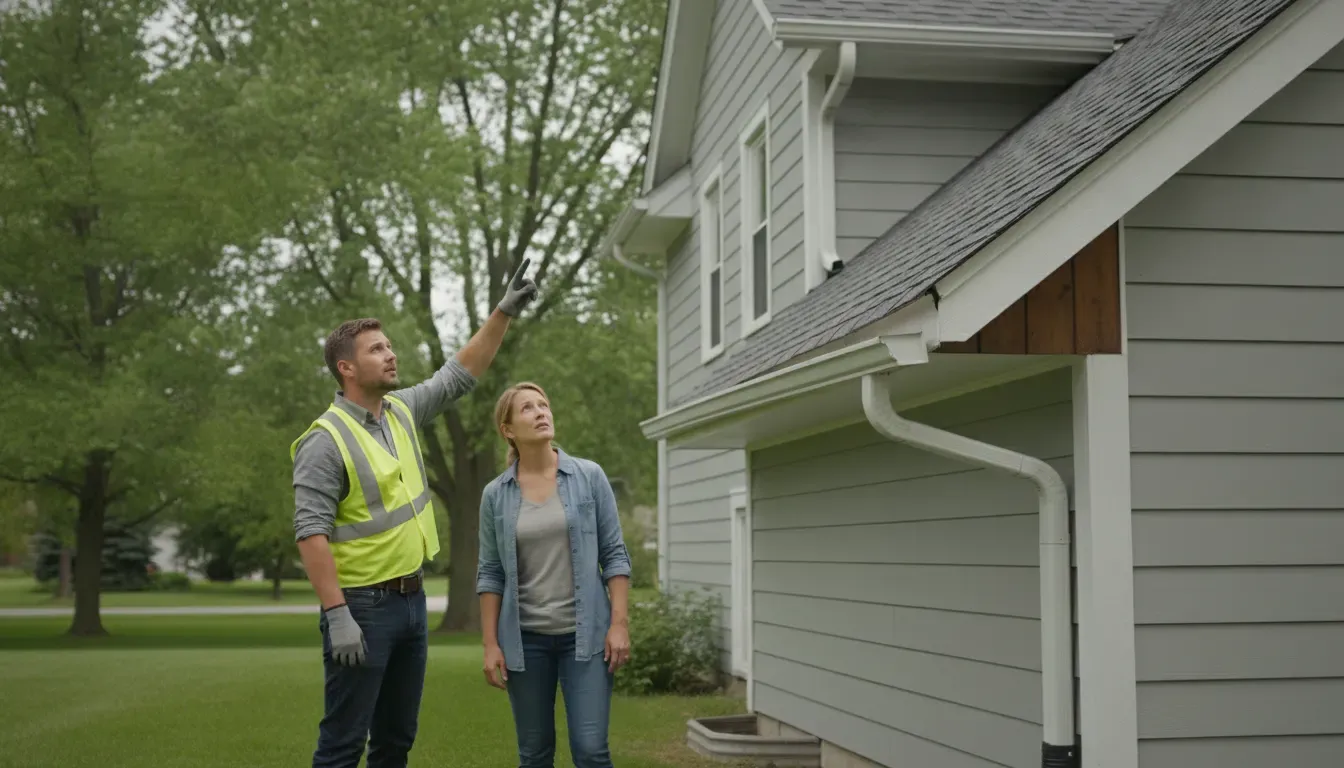
One important distinction: a new gutter system cannot repair rotten fascia, damaged soffit, or a roof-edge issue by itself. Ask what supporting work is included in the proposed scope and which conditions were found during the inspection. A clear explanation is more useful than a replacement recommendation without a cause.
How Does Michigan Weather Accelerate Gutter Wear?
Short answer: Michigan gutters work through large seasonal swings, including heavy spring rain, summer storms, leaf fall, snow, and repeated freezing and thawing. Water that enters a crack or sits in a sagging section can freeze, expand, and add stress. Good slope, secure hangers, clear outlets, and a sound discharge path all matter.
Michigan’s weather does not create a single predictable failure date, but it can make small defects more noticeable. A loose connection may leak during a spring downpour. Leaves can block an outlet in the fall, leaving water in the channel before a freeze. Snow and ice can add weight to a system that is already pulling away from the fascia. The same gutter may appear fine in dry weather and fail when the roof sends a large volume of water toward it.
Michigan’s seasonal temperature changes and variable precipitation are documented in the NOAA Michigan State Climate Summary. For homeowners, the practical takeaway is simple: inspect drainage after major weather changes, not only after you see a basement or landscaping problem.
Pay particular attention to these weather-related clues:
- Overflow at a corner during otherwise ordinary rain.
- Ice buildup in a location where water cannot reach the downspout.
- Staining on siding or fascia below a gutter edge.
- Mulch, soil, or splash marks collecting below a downspout.
- Water flowing behind the gutter instead of through it.
These clues do not identify the exact repair on their own. They help locate where a professional should test slope, fasteners, seams, outlets, downspout capacity, and discharge distance. For broader context on how system design affects Michigan performance, compare this decision guide with the article on seamless vs. sectional gutters for Michigan homes. You can also review the Michigan gutter installation, guards, and stone veneer guide for the larger cluster overview.
Talk through a gutter concern with Signature Home Pros at (810) 270-5922.
Cost Comparison: Repair vs. Replace in Michigan
Short answer: A repair generally has a smaller upfront scope because it addresses a specific defect. Replacement involves removal, new materials, labor, layout, and possibly fascia or downspout work. The better value depends on whether the repair solves the cause or only delays the next failure. So compare the scope and expected service, not just the first price.
There is no honest single price for every Michigan home. A contractor needs to measure gutter length, count corners and outlets, review the roof drainage, inspect attachment points, and determine whether water is reaching a safe discharge location. The height of the home, access, material choice, removal, and related fascia work can change the estimate.
| Decision | What the scope may include | Best fit |
|---|---|---|
| Localized repair. | Cleaning, resealing a connection, replacing a hanger, reconnecting a downspout, or correcting a small isolated defect. | One or two problem areas with a sound surrounding system. |
| Partial replacement. | Replacing one damaged run, corner, outlet, or downspout while keeping the rest of the system. | Damage is concentrated, but the affected section cannot be restored reliably. |
| Full replacement. | Removing old gutters, forming new runs, installing hangers and outlets, checking fascia, and routing downspouts. | Widespread deterioration, recurring failures, poor layout, or major drainage changes. |
A gutter estimate should identify the measured length, number of corners and outlets, gutter size, downspout routing, removal, access, and any related fascia or exterior repairs. The final scope may also change with the number of stories, roof geometry, and the condition of the existing attachment points. Signature Home Pros explains its gutter services on the gutter service page, but a home-specific assessment is still needed.
When comparing estimates, ask each contractor to identify the same items:
- How many linear feet are included?
- Which gutter size and material are proposed?
- How many outlets, corners, end caps, and downspouts are included?
- Are removal and disposal included?
- Was the fascia checked where hangers attach?
- Where will each downspout discharge water?
- Which conditions would change the scope after work begins?
A low repair price is not automatically the best value if it leaves a sagging run, damaged fascia, or poor discharge path untouched. A higher replacement price is not automatically justified if the problem is one accessible connection. The goal is a documented diagnosis that connects the recommended work to the water-management problem.
How Old Should Gutters Be Before Replacing?
Short answer: Gutters do not have one universal replacement age. Age is useful context, but condition, maintenance history, material, installation quality, weather exposure, and the home’s drainage demands matter more. A well-maintained system may need only a repair, while a newer system with poor slope or attachment can fail early.
Instead of asking for a number that applies to every home, ask whether the system still performs its essential jobs:
- Collect water from the roof edge without overflowing during normal rain.
- Hold its slope so water moves toward the outlets.
- Stay attached to sound fascia without long dips or separation.
- Move water through open downspouts without repeated backups.
- Discharge water far enough away from the foundation and vulnerable landscaping.
If the answer is no in one isolated location, a targeted repair may be enough. If several answers are no across the home, replacement deserves a closer look. Also consider whether the home has changed since the gutters were installed. A roof replacement, addition, new porch, mature trees, or regraded landscaping can alter the amount and direction of water reaching the system.
The age question is especially important when a homeowner is planning other exterior work. Coordinate gutter decisions with roof-edge, fascia, siding, and soffit work so one project does not make the next one harder. A gutter contractor should explain which components can remain, which should be replaced, and why.
What Happens During a Free Gutter Assessment?
Short answer: A useful gutter assessment traces water from the roof to the final discharge point. The contractor should inspect slope, seams, hangers, fascia, outlets, downspouts, and visible water impact, then explain whether repair, partial replacement, or full replacement addresses the cause. The result should be a clear scope, not pressure to buy.
Before the appointment, make a short list of what you have noticed and when it happens. Note whether the issue appears during light rain, heavy storms, spring thaw, or after leaves collect. Take photos from the ground if it is safe to do so, but do not climb onto a roof or ladder to investigate a suspected defect.
During the assessment, ask the contractor to review:
- Gutter alignment and pitch: The channel should move water toward the outlet instead of holding puddles.
- Seams, end caps, and corners: These connection points are common locations for leaks.
- Hangers and fascia: Loose hardware may be a symptom of damaged wood or an overloaded run.
- Downspouts and outlets: A clear gutter can still overflow if the outlet or downspout cannot carry the water.
- Discharge locations: Water should not be released directly against the foundation or where it will erode a walkway.
- Roof and exterior relationship: The gutter should work with the roof edge, siding, soffit, and fascia rather than hide damage behind the system.
Signature Home Pros has served Michigan homeowners for more than 20 years and provides exterior renovation services including roofing, siding, gutters, windows and doors, and stone. That broader exterior perspective can be helpful when the gutter problem is connected to fascia, roof-edge, or siding conditions. The company offers free estimates and a no-pressure consultation so homeowners can understand their options before deciding.
Use the Michigan gutter installation and guards guide for a broader overview of sizing and system choices, then use this repair-versus-replacement checklist to prepare for the assessment. Keeping those two decisions separate makes it easier to avoid paying for features you do not need or patching a system that cannot perform.
Ready for a clear recommendation? Contact Signature Home Pros to schedule a free gutter assessment.
Frequently Asked Questions
Is it better to repair or replace gutters?
Repair is usually the better starting point when damage is isolated and the rest of the system is straight, secure, and draining correctly. Replacement deserves consideration when several sections fail, repairs keep returning, or the gutter layout no longer manages water effectively.
What are the most common signs gutters need replacement?
Common signs include widespread sagging, several leaking joints, cracks or corrosion in multiple areas, gutters pulling away from the fascia. Recurring overflow, and water that continues to collect near the foundation after basic cleaning or downspout work.
How much does gutter replacement cost in Michigan?
The cost depends on linear footage, gutter size, material, stories, roof geometry, corners, downspouts, removal, access, and related fascia work. A home-specific assessment is needed to define the scope and prepare a quote.
Should I replace 20-year-old gutters?
Not automatically. A 20-year-old system should be evaluated for condition, slope, attachment, corrosion, drainage, and repeated repairs. Age can increase the likelihood that multiple components are tired, but the inspection findings should determine whether repair, partial replacement, or full replacement is appropriate.
Can new gutters prevent basement or foundation water?
Properly designed gutters and downspouts can help direct roof runoff away from the foundation, but they cannot solve every water problem. Grading, footing drains, soil conditions, roof runoff, and foundation defects may also contribute, so persistent water should receive a full drainage evaluation.
Recent Comments