
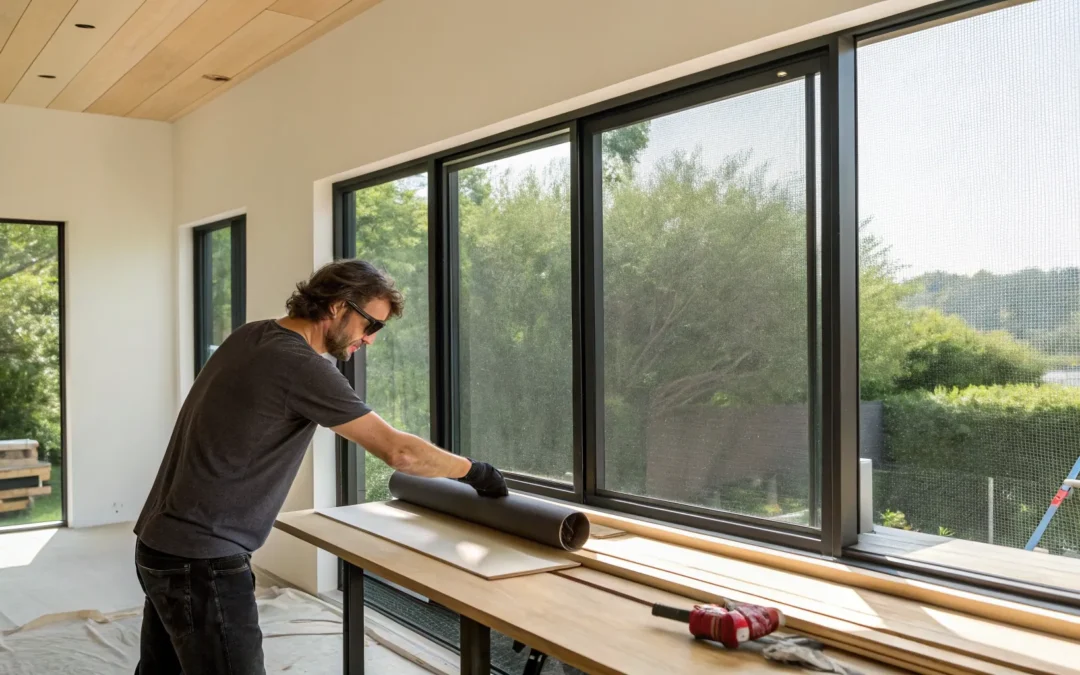
There’s nothing better than opening the windows to let in a cool Michigan breeze after a long winter. That is, until a fly starts buzzing around your kitchen. Your window screens are the only thing standing between you and a house full of unwanted guests. Over time, however, sun, wind, and rain take their toll, leaving screens brittle, torn, and ineffective. If you’re tired of dealing with bugs or looking at faded, damaged screens, a window screen replacement might be the perfect weekend project. We’ll cover all the options available, helping you choose the best solution to keep your home fresh, comfortable, and pest-free all season long.
Key Takeaways
- Know when to repair versus replace: A small hole can often be patched, but if the frame is bent, the mesh is brittle, or you have multiple tears, replacing the entire screen is your best bet for a lasting fix.
- Match the material to your lifestyle: Standard fiberglass is a great default, but consider your specific needs. Pet-proof screens are a lifesaver for animal lovers, and solar screens can make a real difference on sun-drenched windows.
- Ensure a perfect fit for a pest-free home: A screen is only effective if it fits snugly. If you’re doing it yourself, measure carefully and leave extra material for trimming; for tricky windows or a guaranteed professional result, calling an expert is a smart move.
When Is It Time to Replace Your Window Screens?
Your window screens work hard to let fresh air in and keep pests out. But over time, exposure to the elements, accidental bumps, and general wear can take their toll. While they’re easy to overlook, damaged screens can be a real nuisance, letting in insects and detracting from your home’s appearance. Knowing when to repair a screen versus when to replace it completely can save you time and frustration. A quick inspection can tell you everything you need to know about the condition of your screens and help you decide on the best course of action.
Key Signs of Wear and Tear
The most obvious signs you need new screens are visible holes, rips, or tears. Even a small opening is an invitation for bugs to come inside. You might also notice the screen pulling away from the frame or appearing warped and saggy. Sometimes, the damage is less about holes and more about the material itself. After years in the sun, screen mesh can become brittle and fragile, breaking easily with a gentle push. A good rule of thumb is to consider their age. Fiberglass screens generally last about 10 to 15 years, while stronger aluminum screens can last over 20 years. If your screens are approaching these milestones, it’s a good time to inspect them closely.
Repair or Replace? Making the Right Call
For a single, tiny hole, a simple patch kit might do the trick. But if you’re dealing with multiple tears, large gashes, or widespread brittleness, replacement is the smarter move. Pay close attention to the screen’s frame. If the frame is bent, cracked, or broken, patching the screen won’t solve the underlying problem. In that case, a full replacement is your best option to ensure a proper fit and function. Replacing your screens also gives you a chance to upgrade. Choosing a high-quality material can give you better durability, visibility, or even increased strength. Our team values quality craftsmanship, and we believe that investing in the right materials from the start prevents more costly fixes down the road.
Exploring Your Window Screen Options
Once you decide to replace your screens, you’ll find there are more options than you might expect. The right choice for your home depends on your window type, your lifestyle, and what you want from your screens, whether it’s a clear view or maximum durability. Let’s walk through the most common types so you can feel confident in your decision.
Fixed Screens
Fixed screens are the traditional, standard option you see on most homes. These are sturdy frames that hold a single, fixed panel of screen mesh, providing constant protection from insects and debris. They are a reliable and cost-effective choice, designed to stay in place throughout the season. The most common material used is fiberglass mesh, which is valued for its flexibility and straightforward installation. While simple, fixed screens are highly effective and can be customized with different mesh materials to prioritize visibility, airflow, or strength, making them a dependable go-to for any home.
Retractable Screens
If you love the idea of an open, unobstructed view, retractable screens are a fantastic solution. These screens are designed to roll away into a discreet housing when not in use, disappearing from sight. With the touch of a button or a gentle pull, you can enjoy fresh air without pests, and then retract the screen to enjoy a clear view of your backyard. They are especially popular for larger openings like patio doors, French doors, and expansive picture windows where a permanent screen might feel intrusive. This modern option gives you the best of both worlds: protection when you need it and an open view when you don’t.
Adjustable Screens
Adjustable screens offer a flexible, temporary solution for windows that may not have a standard screen. These screens typically feature two overlapping panels that can slide to expand or contract, allowing them to fit a range of window widths. They are incredibly easy to install and remove without any tools, making them a convenient choice for renters or for windows with unusual dimensions. While they may not offer the permanent, seamless fit of a custom screen, their versatility makes them a handy and affordable option to have on hand for bringing fresh air into any room.
Screens by Window Style
It’s important to remember that not all screens work with all windows. The screen you choose must be compatible with the way your window opens and operates. For example, the screens for double-hung or single-hung windows sit on the outside, while screens for casement or awning windows that crank outward are installed on the inside of the home. Ensuring your new screens are compatible with your specific window and door styles is key to a proper fit and function. A professional can help you identify the right screen type that matches your existing windows perfectly.
How to Choose the Best Screen Material
Picking the right material for your new window screens might seem like a small detail, but it makes a big difference in your daily life. The material you choose impacts everything from how long your screens last to how clear your view of the backyard is. It can even affect your home’s energy bills. Before you decide, think about your home’s specific needs. Do you have pets that love to scratch at the door? Do your windows get blasted by the afternoon sun? Answering these questions will help you find the perfect fit for your home’s windows and doors.
We’ll walk through the most common options available: fiberglass, aluminum, solar screens, and pet-proof screens. Each one has its own set of strengths, so there isn’t a single “best” choice for every home in Michigan. It’s all about finding the right balance of durability, visibility, and cost for your family’s lifestyle. For example, a screen that works perfectly for a quiet, shaded window might not hold up on a busy patio door that gets full sun. Understanding these materials is the first step to making a confident decision, whether you’re tackling the project yourself or working with a professional to get the job done right.
Fiberglass
Fiberglass is the go-to standard for window screens, and for good reason. It’s affordable, flexible, and won’t crease or dent, which makes it very forgiving to work with. If you’re planning a DIY installation and make a mistake, you can often pull it out and start over without ruining the material. This popular choice provides good visibility and airflow without breaking the budget. The main drawback is that it’s less durable than other options. Over time, it can stretch or tear, especially in high-traffic areas or homes with curious pets and kids.
Aluminum
If you’re looking for something a bit tougher than fiberglass, aluminum is an excellent upgrade. This metal screening is much stronger and more rigid, so it won’t sag over the years and provides a very crisp, clean look. However, that rigidity comes with a downside. Aluminum can dent or crease permanently, which means installation requires a careful hand. One wrong move and you might have to start over with a new piece. It’s a fantastic choice for windows that are out of the way, but it may not be ideal for a busy patio door.
Solar Screens
For windows that get a lot of direct sun, solar screens are a game-changer. These screens are made from a special mesh designed to block a significant portion of the sun’s UV rays before they can heat up your home. This can make a noticeable difference in your cooling costs during hot Michigan summers and helps protect your furniture, carpets, and curtains from fading. The trade-off for this excellent sun protection is slightly reduced visibility and less natural light. They also offer a bit more daytime privacy, which many homeowners appreciate.
Pet-Proof Screens
Do you have a dog that scratches at the door or a cat that loves to climb? Pet-proof screening is your solution. Made from a vinyl-coated polyester, this material is about seven times stronger than traditional fiberglass. It’s specifically designed to resist tears and punctures from claws and paws, saving you from constant repairs. While it’s incredibly durable, the thicker mesh means visibility and airflow are slightly more restricted compared to standard screens. It’s the perfect choice for screen doors and low windows in any household with active pets or small children.
How to Measure for New Window Screens
Getting the right measurements is the key to a successful window screen replacement. An ill-fitting screen won’t just look off; it can also let in pests and reduce your window’s efficiency. While it might seem a little intimidating, measuring is a straightforward process once you know the steps. It’s all about being precise and taking your time. If you’re replacing the screen fabric in an existing frame, the job is much simpler than if you need a whole new screen and frame. We’ll walk through the process for replacing the fabric, which is the most common DIY project.
If you find that your window frames are bent, broken, or you’d just rather leave it to an expert, our team is always ready to help with your windows and doors. We can ensure a perfect fit every time, saving you the hassle and giving you peace of mind.
Your Measuring Toolkit
Before you start, gathering the right tools will make the job go much smoother. You don’t need a professional workshop, just a few key items that you might already have on hand.
Here’s what you’ll want to grab:
- A flat-head screwdriver
- A utility knife or sharp scissors
- New screen spline (the rubber cord that holds the screen in)
- A spline rolling tool
- Your new screen material
Having these tools ready will help you replace your window screen efficiently, turning a potentially frustrating task into a manageable one. The spline roller, in particular, is a small tool that makes a huge difference in getting a tight, professional-looking finish.
A Step-by-Step Measuring Guide
With your tools ready, it’s time to measure. For this guide, we’re focusing on replacing the screen material in a frame you already have.
-
Remove the old screen. Lay the screen frame on a flat surface. Use your flat-head screwdriver to carefully pry up a corner of the old spline, which is the rubber cord tucked into the channel of the frame. Once you have a piece lifted, you can gently pull the entire spline out. The old screen material will now be free.
-
Measure and cut the new screen. Roll your new screen material over the frame, making sure it completely covers the opening. You don’t need to be exact just yet. Simply ensure the material overlaps the frame’s channel by at least one inch on all four sides. This extra bit gives you something to hold onto while you install the new spline and ensures a taut fit. You’ll trim the excess off at the very end.
Common Measuring Mistakes to Avoid
A couple of common slip-ups can derail an otherwise perfect screen replacement. The first is simply not giving yourself enough extra material to work with. Cutting the screen to the exact size of the frame before installation is a recipe for frustration. If you pull it just a little too far to one side, you’ll end up with a gap on the other. Always leave that extra inch of overlap to be safe.
Another frequent mistake is not keeping the screen taut as you install it. A loose screen can sag, wrinkle, and flap in the wind, defeating the purpose of a clean, new installation. As you use the spline roller to press the new spline into the channel, use your other hand to keep gentle, even tension on the screen material. This simple step is crucial for a crisp, professional result.
What’s the Cost of Replacing Window Screens?
Figuring out the budget for new window screens can feel a bit like hitting a moving target. The final cost depends on several factors, from the materials you choose to whether you tackle the job yourself or hire a professional. A simple screen repair on a standard window might only set you back a few dollars, while a full replacement with high-end materials across your entire home is a more significant investment.
Understanding the moving parts of the price tag helps you plan effectively and make choices that fit your home and your budget. Whether you’re dealing with a single torn screen from a rogue baseball or planning a complete exterior refresh, knowing your options is the first step. We’ll walk through what influences the price, compare the costs of doing it yourself versus hiring a pro, and share some practical tips for saving money along the way. This way, you can get those fresh, functional screens you want without any financial surprises.
What Influences the Final Price?
A few key things will shape the final price of your window screen replacement. The biggest factor is often the screen material itself. Standard fiberglass is the most common and budget-friendly choice. However, you might opt for something different based on your needs. For instance, aluminum offers more durability, while specialty solar screens can help reduce energy costs. Each material comes at a different price point, so your choice here will definitely impact the total. The size and type of your windows also play a part. Large, custom-sized, or uniquely shaped windows will cost more to screen than standard ones. If your project is part of a larger upgrade, like getting new windows and doors, the screen cost will be one component of the overall project.
Comparing DIY vs. Professional Costs
Deciding between a DIY project and hiring a professional often comes down to balancing cost against convenience and quality. If you’re handy and decide to replace the screens yourself, the cost is quite low. After a one-time purchase of a tool like a spline roller, you can expect to spend about $10 in materials per screen. It’s an affordable route if you have the time and patience. On the other hand, hiring a professional ensures the job is done right and saves you the hassle. A pro will typically charge around $75 per window for labor, plus about $15 for materials. While the upfront cost is higher, you’re paying for expertise, a perfect fit, and the peace of mind that comes with a job well done. For many homeowners, especially those with multiple screens or complex window types, the professional approach is well worth the investment.
Tips for Saving Money
You don’t always have to do a full replacement to fix a damaged screen. For small rips or holes, a simple patch can be a quick and effective fix. You can find easy-to-use screen repair kits that include adhesive patches or new spline to secure the screen in its frame. A guide on how to repair or replace screens can walk you through these simple steps. Another great tip is to match the new screen material to what you already have. This way, if you only need to replace one or two, they will blend in seamlessly with the rest of your windows, saving you from having to replace all of them just for a uniform look.
Should You DIY Your Window Screen Replacement?
Taking on a home project yourself can be incredibly satisfying, and replacing a window screen seems like a straightforward weekend task. For a handy homeowner, it certainly can be. If you have a standard-sized window and a bit of patience, a DIY screen replacement can save you some money and give you a sense of accomplishment. It’s a great way to get familiar with the anatomy of your windows and keep them in top shape.
However, what starts as a simple project can sometimes become a frustrating puzzle. If your window frames are old, warped, or an unusual shape, the job gets more complicated. Getting the screen perfectly taut without causing the frame to bow requires a specific touch. Before you commit, it’s wise to weigh the satisfaction of doing it yourself against the time, potential for mistakes, and the cost of materials. This guide will walk you through the process so you can decide if this is a project you want to tackle on your own.
Your DIY Toolkit and Materials
Before you start, gathering the right supplies is key to a smooth project. You don’t need a professional workshop, just a few essential tools and materials. Make sure you have a utility knife for clean cuts, a flat-headed screwdriver to pry out the old spline, and a pair of scissors. The most important specialty item is a spline rolling tool, which has a wheel on each end to press the screen and the spline into the frame’s groove. For materials, you’ll need the new screen fabric and a roll of screen spline, which is the rubber cord that holds the screen in place. Make sure the spline is the correct diameter for your frame.
A Step-by-Step Installation Guide
Once you have your tools, you’re ready to get started. First, remove the screen frame from the window and place it on a flat surface. Use your flat-headed screwdriver to carefully pull up a corner of the old spline and remove it, which will release the damaged screen. Next, roll out your new screen material over the frame, leaving about an inch of overhang on all sides. Now, grab your spline roller. Use the rounded wheel to gently press the screen fabric into the frame’s channel. Then, lay the new spline over the channel and use the grooved wheel to push the spline firmly into place, securing the screen as you go. Finally, trim the excess screen with your utility knife.
Common DIY Pitfalls (and How to Sidestep Them)
A common mistake for first-timers is choosing the wrong screen material. Fiberglass screening is flexible and forgiving, making it a great choice for beginners. If you make a mistake, you can usually pull it out and start over without leaving a crease. Aluminum screening, on the other hand, is more durable but also dents and creases easily. Once it’s bent, it’s nearly impossible to straighten out. Another pitfall is screen tension. If you pull the screen too tight while installing the spline, it can bend or bow the frame. If it’s too loose, the screen will sag. The trick is to apply gentle, even pressure as you work your way around the frame.
Knowing When to Call in the Pros
If reading through the steps feels overwhelming, or if you’re dealing with more than just one or two simple screens, it might be time to call a professional. DIY is great, but sometimes your time is more valuable. If your window frames are bent, you have custom-sized windows, or you simply want a guaranteed, flawless finish, letting an expert handle the job is a smart move. A professional ensures the job is done right, with high-quality materials and a perfect fit that will last for years. At Signature Home Pros, our team can handle window screen replacements quickly and efficiently, saving you the hassle and ensuring your home looks its best.
Where to Find Replacement Window Screens
Once you’ve measured your windows and decided on a material, the next step is finding the right place to buy your new screens. You have a few solid options, each with its own set of benefits, depending on how hands-on you want to be with the project. From local hardware stores to specialized online retailers and professional installers, finding the perfect screens for your home is easier than you might think. Your choice will likely come down to convenience, customization needs, and whether you prefer a DIY approach or a professional touch.
Local Home Improvement Stores
Your local hardware or home improvement store is often the most straightforward place to start. It’s a great option if you want to see the materials in person or need a little guidance. Many stores offer window screen repair services where they can either replace the mesh in your existing frame or build a completely new screen if the frame is bent or broken. This can be a quick and convenient solution, especially if you have standard-sized windows and prefer to have someone handle the assembly for you. Just bring in your old screen or your measurements, and they can typically get you sorted out.
Online Retailers
If you’re looking for more variety or have specific needs, online retailers are a fantastic resource. Websites that specialize in screens let you shop for custom window screens by selecting the exact size, frame color, and mesh material you want. This is perfect for getting a precise fit without leaving your home. For the DIY-inclined, marketplaces like Amazon offer a wide range of products, including user-friendly replacement window screen kits that you can cut to size yourself. The sheer volume of options online means you’re likely to find exactly what you need for your project.
Partnering with a Local Professional
If you’d rather leave the measuring, ordering, and installation to an expert, partnering with a local professional is your best bet. This is the most reliable way to guarantee a perfect, custom fit, especially if you have older, non-standard windows or want to ensure your new screens match your home’s aesthetic perfectly. A professional handles the entire process, giving you peace of mind that the job is done right. At Signature Home Pros, we help homeowners select and install high-quality windows and doors, ensuring every component, including the screens, is fitted flawlessly for lasting performance and curb appeal.
How to Spot a High-Quality Replacement Screen
When you start shopping for new window screens, you’ll quickly realize they aren’t all the same. A quality screen is an investment that pays off in durability, energy savings, and curb appeal. Knowing what to look for helps you choose screens that will not only keep the bugs out but also protect your home and look great for years to come. It’s about finding the right balance of strong materials, a perfect fit, and a style that complements your home’s exterior. Let’s break down the key features that separate a top-tier screen from a temporary fix.
Durability and Weather Resistance
A high-quality screen needs to stand up to everything Michigan weather throws at it, from summer sun to winter ice. The material is the biggest factor here. For example, standard fiberglass mesh is a popular choice and generally lasts about 10 to 15 years with good care. If you’re looking for something even tougher, aluminum screen mesh can last over 20 years. Choosing the right window screen material ensures your investment won’t be wasted on a screen that tears, warps, or corrodes after just a few seasons. A durable screen means less maintenance and fewer replacements down the road.
The Energy Efficiency Factor
Did you know that a good window screen can help with your energy bills? It’s true. Beyond just providing ventilation and keeping pests out, high-quality screens, especially solar screens, are designed to block a significant amount of UV rays before they even reach your window panes. This simple barrier can help reduce your cooling costs by keeping your home more comfortable during hot summer months. It’s a smart way to make your home a little more efficient without a major overhaul, proving that even small upgrades can have a noticeable impact on your budget and comfort.
Custom Fit vs. Standard Sizing
One of the most overlooked signs of a quality screen is its fit. Off-the-shelf, “one-size-fits-all” screens from a big-box store often leave small gaps that let insects sneak in, defeating one of the main purposes of having a screen in the first place. A high-quality replacement screen should be custom-made to your window’s exact measurements. This ensures a snug, perfect fit with no gaps. When you work with a professional, they take precise measurements to ensure your new windows and doors are perfectly sealed, and the same principle applies to your screens for maximum effectiveness.
Boosting Curb Appeal with the Right Screens
Torn, faded, or bent window screens can make an otherwise beautiful home look neglected. On the other hand, new, well-fitted screens provide a clean, uniform appearance that instantly sharpens your home’s exterior. Quality screens offer enhanced visibility, so you can enjoy clear views without the dingy film of an old screen. They provide a stylish, finished look that complements your siding and trim. Think of them as a finishing touch that ties your whole exterior together, contributing to the pride you feel every time you pull into the driveway.
Is It Time to Replace More Than Just the Screen?
A small tear in your window screen can often be a quick fix. But sometimes, that little rip is a sign of a bigger issue. Before you reach for a patch kit, it’s worth taking a closer look to see if a more significant replacement is in order. After all, a screen is only as good as its frame, and a failing screen could even point to problems with the window itself.
First, inspect the screen frame. Is it bent, cracked, or pulling away from the window? A damaged frame can create gaps that let in pests and compromise the screen’s tension, causing it to sag. If the frame is broken, simply replacing the mesh won’t solve the problem. You’ll need a whole new screen unit. Also, consider the age of your screens. Standard fiberglass screens have a typical lifespan of about 10-15 years, while aluminum can last longer. If your screens are getting old, they may be brittle and prone to damage, making a full replacement a more practical long-term solution.
While you’re at it, take a good look at the window itself. If your screens are in rough shape, your windows might be, too. Do you feel drafts when they’re closed? Do you see condensation between the glass panes? Are the window frames warped or rotting? These are all signs that your windows are past their prime. In these cases, replacing the entire window unit is the smartest move. New windows and doors not only come with brand-new screens but also improve your home’s energy efficiency, security, and curb appeal. It’s about making a lasting investment in your home’s comfort and value, not just patching up a temporary problem.
Frequently Asked Questions
What’s the most common type of window screen material for a typical home? For most homes, fiberglass is the standard material. It’s affordable, flexible, and provides good visibility, which makes it a reliable all-around choice. If you’re looking for a step up in strength and don’t mind a slightly higher cost, aluminum is an excellent alternative. It offers a crisper look and won’t sag over time, but it can dent, so it requires a bit more care during installation.
My dog keeps scratching through our screen door. Is there a screen that can actually hold up? Yes, there absolutely is. You’ll want to look for pet-proof screening. This material is made from a vinyl-coated polyester that is about seven times stronger than standard fiberglass. It’s specifically designed to resist tears and punctures from claws and paws. While it’s a bit thicker and might reduce visibility slightly, it will save you the constant headache and cost of replacing a torn screen.
Is replacing a window screen a good DIY project for a beginner? It certainly can be, especially if you’re just replacing the fabric in a sturdy, existing frame. The key is to use a forgiving material like fiberglass and to get a spline roller, which is an inexpensive tool that makes the job much easier. However, if your frame is bent, you have an oddly shaped window, or you just want a guaranteed perfect result, calling a professional is a smart move.
Are specialty screens like solar or pet-proof screens really worth the extra cost? They are if you’re trying to solve a specific problem. Think of it as an investment in your home’s comfort. If a room gets uncomfortably hot from afternoon sun, a solar screen can make a noticeable difference in your cooling costs and protect your furniture from fading. Likewise, if you have an active pet, a durable pet-proof screen pays for itself by saving you from repeated repairs.
My screen frame is bent. Can I still just replace the screen material? Unfortunately, no. A bent or broken frame will prevent the new screen from fitting correctly. You’ll end up with gaps that let bugs in and a screen that looks loose and saggy, no matter how well you install the new material. In this situation, you need to replace the entire screen unit, frame and all, to ensure a proper, secure fit.
Recent Comments