
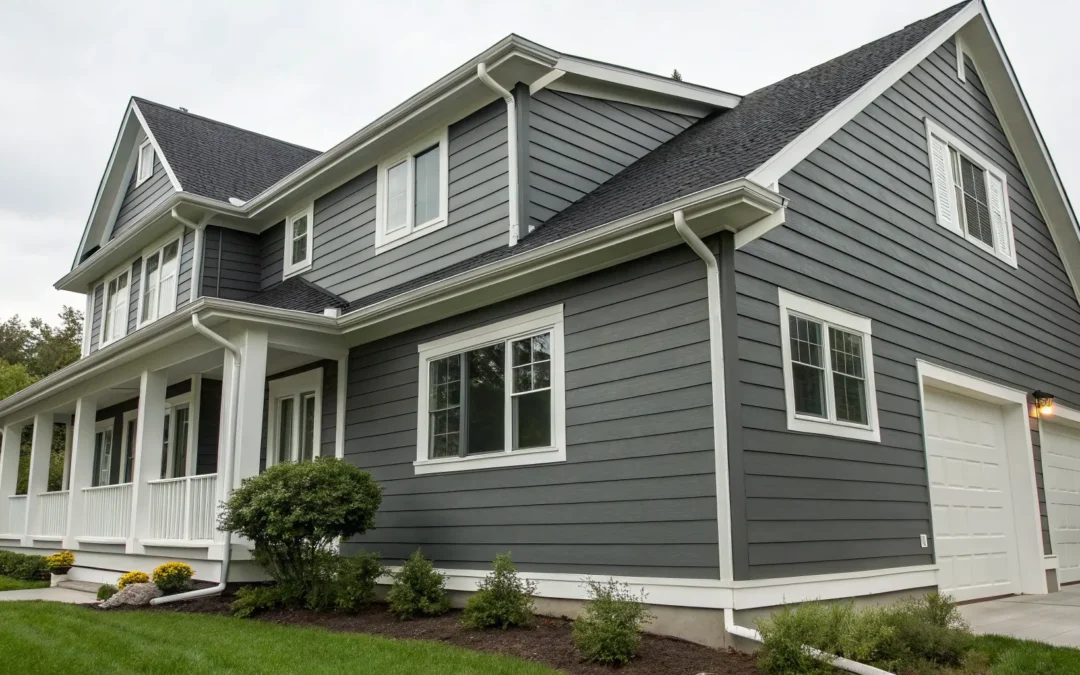
If you’ve ever dealt with wood siding, you know the endless cycle of scraping and painting to fight off rot and pests. If you’ve had vinyl, you may have seen it crack in the bitter cold or warp during a summer heatwave. These common frustrations can make siding feel like a constant chore. But what if there was a material that gave you the timeless look of wood without the demanding upkeep? Hardie board siding is that solution. This fiber cement product is engineered to resist the very things that plague other materials. It won’t rot, pests aren’t interested in it, and it remains stable through extreme temperature swings, giving you a beautiful, worry-free exterior.
Key Takeaways
- Get the Look of Wood Without the Work: Hardie Board offers the beautiful, classic appearance of wood siding but is made from durable fiber cement. This means it resists rot, pests, and fire, giving you a gorgeous exterior without the constant maintenance.
- Your Siding is Only as Good as Its Installation: The long-term performance and warranty of Hardie Board depend on following the manufacturer’s specific rules. Hiring a professional team that understands the correct nailing, sealing, and flashing techniques is crucial to protecting your investment.
- Think in Terms of Long-Term Value: While Hardie Board has a higher upfront cost than vinyl, its exceptional durability and low maintenance needs make it a smart financial choice over time. It’s a premium upgrade that adds significant curb appeal and can increase your home’s resale value.
What Exactly Is Hardie Board Siding?
If you’ve been researching new siding, you’ve almost certainly come across the name “Hardie Board.” It’s one of the most popular siding materials on the market, and for good reason. Hardie Board is a brand name for fiber cement siding, a material known for its incredible strength and classic good looks. Think of it as the best of both worlds: it can mimic the beautiful appearance of wood or other materials while providing a level of durability that traditional options just can’t match. It’s a smart investment for homeowners who want a beautiful exterior that will stand up to Michigan’s weather for decades to come.
What’s It Made Of?
So what gives Hardie Board its strength? It’s a unique composite material made from Portland cement, sand, and cellulose fibers. This blend creates a fiber-cement exterior cladding that is remarkably tough. Unlike wood, it won’t rot or fall victim to termites. Unlike vinyl, it won’t melt or warp in the heat. This siding comes in various textures, from a smooth finish for a modern look to a Cedarmill texture that beautifully imitates wood grain. Plus, it holds paint exceptionally well. You can choose a factory-painted option with a long-lasting finish warranty or have it painted any custom color you can dream of.
Hardie Board vs. Vinyl Siding
Vinyl is a common siding choice, largely because it’s one of the most affordable options upfront. However, when you compare it to Hardie Board, you start to see where that lower cost comes with trade-offs. Hardie Board is significantly thicker and more rigid than vinyl, making it far more resistant to impact from hail, stray baseballs, or other debris. It’s also non-combustible, which is a major safety advantage. While vinyl can crack in extreme cold or warp in the summer sun, Hardie Board remains stable. A professional siding installation ensures that whichever material you choose, it performs its best for your home.
Hardie Board vs. Wood Siding
Nothing beats the classic, timeless beauty of wood siding. The only problem? The constant maintenance. Wood requires regular painting or staining to protect it from moisture, rot, and pests. Hardie Board offers a fantastic alternative, giving you that coveted wood-grain look without the demanding upkeep. It’s engineered to resist the very things that plague wood, like moisture damage and insects. While you will eventually need to repaint Hardie Board to keep it looking fresh, you can expect the paint job to last for 10 to 15 years, far longer than the lifespan of paint on natural wood. It’s the perfect way to protect your home’s entire exterior, just like a durable roofing system does from above.
Weighing the Pros and Cons of Hardie Board
Like any major home decision, choosing a siding material comes with its own set of trade-offs. Hardie Board is a fantastic product, but it’s important to have a clear picture of what makes it great and what you need to be aware of before you commit. Let’s walk through the benefits and potential drawbacks so you can feel confident in your choice.
The Pros: Why Homeowners Love It
There’s a reason James Hardie siding is so popular: it’s a premium product that delivers on its promises. Homeowners love it because it’s incredibly strong and durable, standing up to Michigan’s harsh weather without cracking, rotting, or warping like other materials can. It’s also resistant to pests, fire, and moisture, giving you serious peace of mind.
Beyond its strength, Hardie Board offers a beautiful, high-end look that can completely transform your home’s curb appeal. Whether you want a classic wood-grain texture or a modern smooth finish, you can get the aesthetic you want with a product built to last. Investing in new siding is a big decision, and choosing Hardie Board is a smart move for long-term value and beauty.
The Cons: What to Consider
Let’s be honest: the biggest “con” of Hardie Board isn’t the material itself, but the risk of improper installation. This is not a DIY-friendly product or a job for a general handyman. It’s a specialized system that requires specific tools and techniques. Common mistakes like overdriving nails, placing them too close to the edge, or failing to leave proper expansion gaps can lead to cracks and moisture problems down the road.
The material is also heavier and more expensive upfront than vinyl. However, when you factor in its longevity and low maintenance, the lifetime cost is often much more competitive. The key is understanding that the performance of your Hardie Board siding is directly tied to the quality of the installation. Choosing an inexperienced installer can turn a great investment into a costly headache.
Busting Common Hardie Board Myths
One of the biggest myths is that any contractor can install fiber cement siding. The truth is, a successful installation requires a team that follows the manufacturer’s instructions to the letter. At Signature Home Pros, our experienced team knows these guidelines inside and out, from proper nailing to correct touch-up techniques, ensuring your siding looks great and lasts for decades.
Another myth is that Hardie Board is completely maintenance-free. While it is incredibly low-maintenance, it’s not zero-maintenance. A simple annual inspection and a gentle cleaning with a hose and soft brush are all it usually takes to keep it looking its best. This small effort helps protect your investment and ensures your home’s exterior remains beautiful year after year.
How Much Does Hardie Board Siding Cost?
Let’s talk numbers. Deciding on new siding is a big deal, and the price tag is a huge part of that decision. With Hardie Board, you’re looking at a higher upfront cost compared to vinyl, but you’re also investing in a product known for its incredible durability and long life. The final cost isn’t just one number; it’s a combination of the materials you choose, the labor involved, and a few other variables that are unique to your home.
Think of it like this: you’re not just buying siding, you’re buying a protective, beautiful exterior that will last for decades. The total price reflects that long-term value. To give you a clear picture of what to expect, we can break the cost down into a few key areas. This will help you understand where your money is going and why a quality siding installation is so important for protecting your investment and your home.
Breaking Down Material Costs
When you look at the siding itself, the material costs for Hardie Board generally fall between $6 and $15 per square foot. The price varies because James Hardie offers a wide range of products. For example, classic lap siding might be at the lower end of that range, while decorative shingle or panel styles could be higher. The finish also plays a part; you can choose siding that comes pre-painted with their ColorPlus Technology or siding that is primed and ready for you to paint any color you wish. This range reflects the premium quality and resilience of the siding products, which are engineered to stand up to Michigan’s weather with style.
Factoring in Professional Installation
Hardie Board is a heavy, specialized product, and installing it correctly is a craft. This isn’t a weekend DIY project. Professional installation is essential not only for the siding’s performance and longevity but also to keep the manufacturer’s warranty valid. Labor is a significant part of the total cost because the process is intensive and requires specific tools and expertise. Think of this cost as an insurance policy on your investment. A professional crew ensures every board is cut, fastened, and sealed perfectly, preventing issues like moisture damage and guaranteeing your home looks its best for years to come.
Don’t Forget These “Hidden” Costs
A thorough siding project involves more than just the boards themselves. When we talk about the full cost, it’s important to account for a few other elements. For instance, cutting fiber cement siding creates fine silica dust, so professionals use special equipment like fiber-cement shears to ensure a clean, safe installation. Your quote should also include the cost of removing and disposing of your old siding, as well as any necessary trim, house wrap, and flashing. These “extras” are not really hidden; they are essential components of a high-quality job that a reputable contractor will always include in their estimate.
Factors That Influence Your Final Price
So, what makes one Hardie Board project cost more than another? Several factors come into play. The overall size and complexity of your home is a big one; a multi-story house with lots of corners and gables requires more labor than a simple one-story ranch. The specific Hardie products you select will also affect the price. Beyond that, the condition of your home’s existing exterior can influence the cost if repairs are needed before the new siding goes on. Finally, the installer you choose matters. While it might be tempting to go with the lowest bid, many problems with Hardie Board stem from bad installation, making an experienced team a crucial factor in your project’s success.
Finding Your Style: Hardie Board Options
One of the best parts of getting new siding is choosing a look that truly reflects your personal taste and your home’s character. Thankfully, you’re not stuck with a one-size-fits-all solution. James Hardie siding comes in a variety of styles, textures, and colors, giving you the creative freedom to design a beautiful, durable exterior. Whether your home is a classic colonial, a modern farmhouse, or a charming cottage, there’s a Hardie Board option that will fit perfectly. Let’s look at some of the most popular styles you can choose from.
Classic Lap Siding
When you picture traditional siding, you’re probably thinking of lap siding. This is that classic, timeless look with long, horizontal boards layered over each other. Hardie® Plank Lap Siding is the most popular style for a reason: it’s incredibly versatile and looks great on almost any home. You can choose from different textures, like a smooth finish for a more modern feel or a wood-grain texture for a rustic touch. It also comes in a wide array of colors, so you can find the perfect shade to complement your home’s trim and roofing. It’s a tried-and-true choice that delivers major curb appeal.
Modern Vertical Siding
If you want to give your home a more contemporary edge, consider vertical siding. Instead of horizontal planks, this style uses vertical panels to create long, clean lines that draw the eye upward. This can make your home appear taller and more distinct. Hardie® Panel Vertical Siding is a fantastic choice for modern designs, and it pairs beautifully with other materials like stone or brick. Many homeowners use it as an accent on gables or entryways, or combine it with lap siding for a custom “board and batten” look. Our team can help you explore different siding combinations to create a truly unique exterior.
Charming Shingle Siding
For a home that’s full of character and texture, shingle siding is an excellent option. Hardie® Shingle siding mimics the look of classic cedar shingles (or “shakes”) but gives you the strength and low maintenance of fiber cement. This style is perfect for adding a rustic, charming touch to cottage, Craftsman, or coastal-style homes. It’s often used to highlight architectural features like gables and dormers, but it can also be used across the entire house for a warm, textured appearance. You get all the beauty of wood shingles without worrying about rot, pests, or constant upkeep.
Sleek Panel Siding
For a truly minimalist and modern aesthetic, sleek panel siding is the way to go. These large-format panels create a clean, uniform look that’s perfect for contemporary architecture. Unlike the grooved look of vertical siding, these panels are smooth and can be installed with trim pieces to create interesting geometric patterns. This style is all about clean lines and a sophisticated, high-end appearance. It’s an incredibly durable option that stands up to the elements while maintaining its sleek finish. Working with an experienced team is key to getting the precise, professional installation these panels require, and our family-owned approach ensures we pay attention to every detail.
What Does Proper Hardie Board Installation Involve?
Hardie Board siding is an incredible product, but its performance and lifespan depend entirely on how it’s installed. Unlike vinyl, which can be more forgiving, fiber cement has a specific set of rules that must be followed to the letter. Think of it like a recipe from a world-class chef; if you skip a step or use the wrong ingredient, you just won’t get the same result.
Proper installation is the key to making sure your siding not only looks fantastic but also stands up to Michigan’s weather for decades. It’s also what ensures the manufacturer’s warranty stays intact. When you invest in a premium product like Hardie Board, you want to get every bit of value out of it. That’s why working with a team that understands these requirements is so important. A professional installer knows that the small details make all the difference in protecting your home and your investment.
Must-Follow Installation Practices
When it comes to Hardie Board, the manufacturer’s instructions aren’t just friendly suggestions; they are strict requirements. Following these guidelines is essential for the siding’s longevity and for keeping your warranty valid. A professional crew will start by ensuring the wall surface is clean, smooth, and dry. They’ll install a weather-resistant barrier and the correct flashing before a single board goes up. They also know the specific clearances required between the siding and roofs, decks, and the ground to prevent water damage. These practices are the foundation of a successful siding project that will protect your home for years to come.
Why Sealing and Caulking Are Crucial
One of the most critical steps in Hardie Board installation is sealing every single cut edge. Whenever a board is cut to fit around a window or along a roofline, the inner core is exposed. To prevent moisture from seeping in and causing damage over time, your installer must seal these cuts with the right primer or paint. This step is non-negotiable. Additionally, proper caulking around windows, doors, and trim creates a flexible, waterproof seal that stops drafts and water intrusion. Skipping or rushing this step is a common mistake that can lead to serious problems down the road.
Nailing Techniques That Actually Last
How the siding is attached to your home is just as important as the siding itself. Hardie Board must be nailed directly into the wall studs, not just the sheathing, to ensure it’s secure. Installers should use a pneumatic siding nailer, but they have to be careful not to over-drive the nails. If a nail is driven too deep, it can crack the board and reduce its holding power. If it’s not driven deep enough, the board will be loose. It’s a delicate balance that requires experience and the right tools to get just right, ensuring each plank stays put through high winds and changing seasons.
Managing Moisture with Proper Flashing
Flashing is a thin, waterproof material, usually metal, that directs water away from the most vulnerable parts of your home, like windows, doors, and roof intersections. With any siding project, proper flashing is your home’s primary defense against water damage. An experienced installer knows exactly how to integrate flashing with the weather barrier and siding to create a complete water management system. Improper flashing is one of the most common and costly installation mistakes, often leading to hidden leaks and rot that you might not discover for years.
How to Protect Your Warranty with Pro Installation
James Hardie offers an excellent warranty, but it comes with a condition: the siding must be installed according to their exact specifications. If an installer cuts corners by skipping the edge sealing, using the wrong nails, or installing flashing incorrectly, it can void your warranty entirely. This leaves you unprotected if an issue arises. Hiring a builder or installer who knows and follows these specific installation rules is the only way to safeguard your investment. A professional team like Signature Home Pros treats your home with care, ensuring every step is done right to protect your home for many years.
Common Hardie Board Installation Mistakes to Avoid
James Hardie siding is an incredible product, but its long-term performance hinges entirely on how it’s installed. Think of it like a gourmet recipe: you can have the best ingredients in the world, but if you don’t follow the instructions, the final dish won’t turn out right. Even small installation errors can lead to big headaches down the road, from moisture damage and pests to a voided warranty. This isn’t a project where “close enough” is good enough; the details matter immensely, and the manufacturer has specific best practices for a reason.
Knowing what can go wrong is the best way to make sure everything goes right. When you’re talking to contractors, understanding these common pitfalls helps you ask the right questions and spot a true professional. A quality installation ensures your siding not only looks beautiful on day one but also protects your home effectively for decades. It’s the difference between a 30-year investment and a 5-year problem. Let’s walk through the most frequent mistakes so you can be confident your project is in the right hands from the very start.
Improperly Sealed Edges
When Hardie Board is cut to fit your home, the raw, cut edge needs to be sealed with paint. The same goes for any nail heads that are visible after installation. It sounds simple, but this is one of the most common places installers make mistakes. If too much touch-up paint is used, those spots can fade at a different rate than the factory finish, leaving your siding with a blotchy appearance. If too little is used (or none at all), the unsealed fiber cement core is exposed to the elements. This allows moisture to seep in, which can cause the board to deteriorate from the inside out. It’s a delicate balance that requires a careful, patient hand.
Skipping the House Wrap and Flashing
Your siding is your home’s first line of defense against rain and snow, but it isn’t the only one. A high-quality weather-resistant barrier, or house wrap, is essential. This material is installed behind the siding and acts as a final layer of protection, preventing any water that gets past the boards from reaching your home’s structure. Equally important is flashing, the metal pieces that direct water away from vulnerable areas like windows, doors, and corners. Skipping or improperly installing these components is a recipe for disaster. It can trap moisture against your walls, leading to rot, mold, and serious structural damage that is incredibly expensive to fix. Proper siding installation always includes meticulous attention to water management.
Using the Wrong Nailing Methods
How the siding is attached to your house is just as important as the siding itself. James Hardie has very specific guidelines for nailing, and failing to follow them can cause major issues. A common error is overdriving the nails, which means the nail head breaks the surface of the board. This not only looks bad but also creates a weak point where the board can crack and water can get in. On the other hand, underdriven nails aren’t flush with the surface and can prevent the siding from sitting flat. Nail placement is also critical. Placing nails too close to the edge of a board can cause it to split, while improper spacing can lead to rattling or buckling over time.
Hiring an Inexperienced Installer
Ultimately, almost every installation mistake comes down to one thing: a lack of experience. An installer who isn’t deeply familiar with James Hardie products might not know about the specific requirements for clearances, caulking, or leaving proper expansion gaps between boards. Following the manufacturer’s best practices isn’t optional; it’s required to ensure the siding performs as promised and, just as importantly, to keep your warranty valid. Choosing a team with a proven track record and years of experience is the single best way to protect your investment. When you work with a family-owned company that treats your home like their own, you can trust that no corners will be cut.
Your Simple Guide to Hardie Board Maintenance
One of the biggest draws of Hardie Board siding is how little maintenance it requires. Unlike wood that needs constant attention, fiber cement is built to stand up to the elements with minimal fuss. But “low-maintenance” doesn’t mean “no-maintenance.” A little bit of care throughout the years will keep your siding looking brand new and ensure it protects your home for decades. Think of it as a simple check-up to protect your investment. Here’s everything you need to know to keep your Hardie Board in top shape.
Easy Cleaning and Mold Prevention Tips
Keeping your Hardie Board siding clean is surprisingly simple and is the best way to prevent mold or mildew. About once a year, just give it a gentle wash. The key here is gentle. Avoid using a high-pressure power washer, which can damage the finish or force water into seams where it doesn’t belong. Instead, a standard garden hose and a soft brush or cloth are all you need to wash away dirt and grime. Following the manufacturer’s own maintenance recommendations ensures you keep your siding looking great without accidentally voiding your warranty. It’s a quick weekend task that delivers a big impact.
When and How to Repaint
While Hardie Board comes with a durable, baked-on finish, it will eventually need a fresh coat of paint to stay vibrant and protected. The good news? You have a long time before you need to think about it. Generally, factory-painted Hardie Board siding needs repainting every 10 to 15 years. This is a huge advantage when you consider the upkeep required for natural wood, which often needs attention every few years. When the time comes, make sure the surface is clean and dry, and use a high-quality exterior paint. This simple step restores its beauty and reinforces its ability to protect your home from the weather.
The Power of a Quick Annual Inspection
A quick walk around your house once a year can save you from major headaches down the road. During this inspection, pay close attention to the caulk lines, especially where the siding meets windows, doors, and corner trim. Over time, caulk can shrink or crack, creating small gaps where moisture can get in. If you spot any failing caulk, simply remove the old material and apply a fresh bead. This simple task is crucial for maintaining a watertight envelope and preventing water damage behind your siding. It’s one of the most effective ways to ensure your home’s exterior remains strong and secure.
So, Is Hardie Board Siding Worth It?
After weighing the costs, styles, and installation process, you’re probably asking the big question: Is Hardie Board siding the right choice for my home? The honest answer is that it depends on your priorities. While the upfront cost is higher than some alternatives, its long-term benefits often make it a smart financial decision. Choosing new siding is a major update that affects your home’s appearance, durability, and even its energy efficiency for years to come.
To figure out if it’s worth it for you, let’s look at the decision from three key angles: the long-term value you get for your money, how it impacts your home’s resale value, and its environmental footprint. Thinking through these points will help you feel confident in your choice, knowing you’re making an investment that protects your home and aligns with your goals.
Thinking Long-Term: Value vs. Upfront Cost
It’s true that Hardie Board siding comes with a higher price tag than vinyl. However, it’s helpful to think of it as an investment rather than just an expense. This siding is incredibly durable, standing up to Michigan’s harsh weather, from heavy snows to summer humidity, without warping, rotting, or falling victim to pests. This durability means you’ll spend far less on repairs and replacements over the life of your home. By choosing a material designed to last for decades, you can protect your home and your wallet. The value isn’t just in the material itself, but in the peace of mind that comes with a low-maintenance, long-lasting exterior.
How It Affects Your Home’s Resale Value
Your home’s exterior is the first thing potential buyers see, and great curb appeal can make a huge difference. Hardie Board siding gives your home a premium, high-end look that buyers notice. Because of its reputation for quality and durability, it’s a feature that adds tangible value to your property. In fact, siding replacement projects, especially with fiber-cement, consistently rank as one of the best home improvements for recouping your cost at resale. Buyers see a home with Hardie Board and know it’s been well-cared for with top-tier materials, making your home more attractive and potentially helping it sell faster and for a better price.
Is It an Eco-Friendly Choice?
When you consider that James Hardie siding can last 30 years or more, its longevity makes it a sustainable choice. A product that doesn’t need to be replaced every decade means less material ending up in a landfill. However, its eco-friendly potential is directly tied to the quality of the installation. For the siding to perform as promised, your contractor must meticulously follow the installation instructions. Common mistakes like over-driving nails, placing them too close to the edge, or failing to leave proper gaps can lead to cracks and moisture issues, cutting its lifespan short. This is why working with an experienced team that understands the nuances of Hardie Board is essential to realizing its full, long-lasting value.
Ready for a Beautiful, Durable Home Exterior?
When you’re considering a new exterior for your home, Hardie Board siding consistently comes up as a top choice, and for good reason. It’s known for its incredible durability, making it a smart, long-lasting investment for any homeowner. Think of it as armor for your home. Hardie® Plank siding is famously tough, engineered to stand up to water damage and fire. Even better, pests like termites and woodpeckers simply aren’t interested in it, which is a huge relief for anyone living in Michigan.
Of course, strength is only half the story. Hardie Board also delivers big on curb appeal. Thanks to its special ColorPlus® Technology, the color is baked on for a consistent, vibrant finish that resists fading from the sun. This means your home will look freshly painted for years, without you having to lift a brush. It’s the kind of upgrade that makes you smile every time you pull into the driveway.
Choosing the right material from the start is one of the most important decisions you can make for your home. As other experts note, picking the wrong siding for your environment can easily lead to costly repairs and a look you’re not happy with. With Hardie Board, you’re making a proactive choice that combines lasting beauty with powerful resilience. It’s an investment that protects your home and gives you peace of mind, especially when you have a professional siding team handling the installation.
Frequently Asked Questions
How does Hardie Board handle Michigan’s tough weather? Hardie Board is exceptionally well-suited for our climate. Its fiber cement composition is incredibly stable, so it doesn’t expand and contract dramatically with our temperature swings. This means it resists cracking in the bitter cold and won’t warp or sag during humid summer months. It’s also dense enough to stand up to hail and high winds far better than lighter materials like vinyl.
Why is professional installation so critical for this type of siding? Think of it this way: the siding material is only as good as its installation. Hardie Board is a heavy, specialized product that requires specific tools and techniques. An installer who isn’t trained on these requirements might make small mistakes, like using the wrong nails or failing to seal cut edges, that can lead to moisture damage and void the product’s warranty. Proper installation is your insurance policy for the siding’s long life.
Is Hardie Board really worth the higher price compared to vinyl? While vinyl siding has a lower upfront cost, Hardie Board provides a different kind of value. You’re investing in a much thicker, more durable material that is resistant to fire, impact, and pests. It offers a more premium, high-end look that can significantly improve your home’s curb appeal and resale value. For many homeowners, the long-term durability and peace of mind are well worth the initial investment.
What does “low-maintenance” actually mean for a homeowner? Low-maintenance means you won’t be spending your weekends scraping and painting like you would with wood siding. For Hardie Board, it typically involves a simple annual cleaning with a garden hose and a soft brush to remove any dirt or dust. We also recommend a quick yearly inspection of the caulk around windows and trim to ensure everything remains sealed tight against moisture.
How long will the color last before I need to repaint? If you choose a product with James Hardie’s ColorPlus Technology, the finish is baked on in the factory and is designed to resist fading. You can generally expect that factory finish to look great for 10 to 15 years before you would even need to consider repainting. This is a huge advantage over wood siding, which often requires a fresh coat of paint every few years to stay protected and look its best.
Recent Comments