
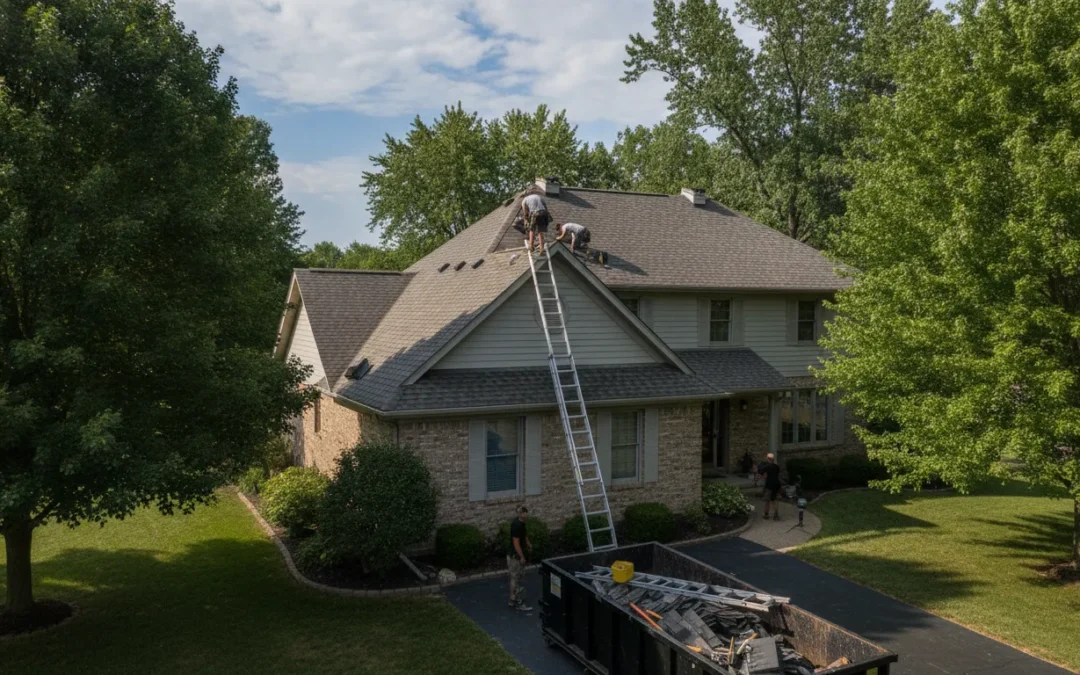
A roof leak after a Michigan storm creates two urgent questions: what caused the damage, and will your policy help pay for it? The answer depends on the policy, the roof’s condition, and whether the damage came from a covered event.
Schedule your free roof inspection today.
Does homeowners insurance cover roof replacement michigan? Usually yes, when damage comes from a sudden covered event such as wind, hail, a severe storm, or an ice dam. Wear and tear, old age, and poor maintenance are typically excluded, so review your declarations page before filing.
Start by documenting the roof with photos and video, then arrange a professional inspection before making assumptions about coverage. A qualified contractor can help identify storm-related damage and organize a clear scope of work for your insurer. For broader guidance, see our roof replacement in Michigan guide. Next, we will explain how these coverage conditions apply to common Michigan roof damage.
Does Homeowners Insurance Cover Roof Replacement in Michigan?
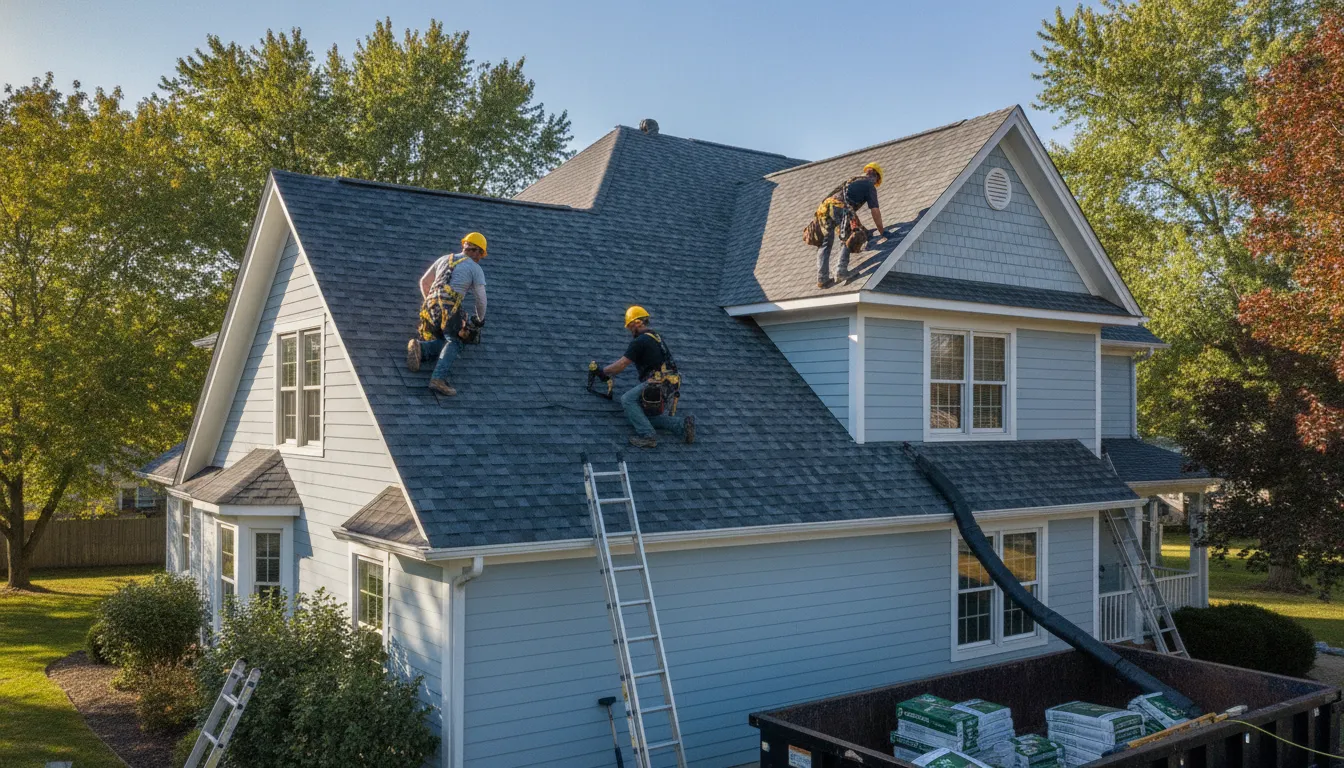
Usually, yes. Most Michigan homeowners policies cover roof replacement when sudden, accidental damage comes from a covered event. Wind, hail, severe storms, ice dams, and the weight of snow are common examples. Coverage depends on your specific policy and the cause of the damage, so a professional inspection and policy review matter before you file.
The Michigan Department of Insurance and Financial Services urges homeowners to review their policies before winter storm season. Its guidance identifies sudden events, including ice dams, wind damage, and snow or ice weight, as losses that homeowners policies usually cover. Read the Michigan DIFS guidance for the full context.
Insurance generally does not pay for normal wear and tear, gradual deterioration, an old roof reaching the end of its service life, or damage linked to neglected maintenance. A roof leak may be covered when a sudden covered event caused it, but not necessarily when long-term deterioration caused the leak. Some insurers also limit coverage for roofs older than 20 years, and some may decline new policies for roofs that are 15 to 20 years old.
Before making assumptions about your claim, check the declarations page and policy terms. Your policy is a contract that defines the insurer’s responsibilities, exclusions, deductibles, and settlement method. A qualified contractor can inspect the roof, document visible damage, and help you understand whether roofing services may be appropriate.
Replacement Cost vs. Actual Cash Value
Your payout may differ depending on whether the policy uses replacement cost value (RCV) or actual cash value (ACV). RCV is intended to cover the cost of replacing damaged property with similar property, subject to the policy terms and deductible. ACV accounts for depreciation based on age and condition.
The National Association of Insurance Commissioners explains the distinction between actual cash value and replacement cost coverage. In Michigan, courts have described ACV as replacement cost minus depreciation, according to this Michigan insurance coverage analysis.
For example, a Policygenius illustration lists ACV at $8,500 for a five-year-old roof, $7,000 for a 10-year-old roof, and $4,000 for a 20-year-old roof. The example shows why roof age can materially affect a settlement, even when the covered cause of damage is clear.
| Coverage type | What it pays | Best for |
|---|---|---|
| Replacement cost value (RCV) | Cost to replace the damaged roof with similar materials, minus your deductible. | Best for newer roofs where the full replacement matters. |
| Actual cash value (ACV) | Replacement cost minus depreciation based on age and condition. | Best for older roofs where a lower settlement is expected. |
Check which settlement method your policy names. The difference between RCV and ACV can be thousands of dollars on a full roof replacement.
What Types of Damage Are Typically Covered?
Michigan homeowners policies generally focus on sudden, accidental damage rather than the natural aging of roofing materials. Coverage still depends on the specific policy, endorsements, exclusions, and deductible. Read the declarations page and policy before assuming a storm-related repair or replacement will be paid.
Damage that may be covered
- Wind damage, including shingles or roofing materials lifted by a severe storm.
- Hail damage when the policy covers the loss and the damage affects the roof’s function.
- Tornado damage and other direct damage from a covered severe storm.
- Roof damage caused by the weight of snow or ice, including certain ice-dam losses.
- A sudden roof leak caused by a covered storm, rather than by long-term deterioration.
- A tree striking the roof during a covered storm, subject to the policy’s terms and exclusions.
The Michigan Department of Insurance and Financial Services identifies sudden events such as wind. Ice dams, and the weight of ice or snow as losses that policies usually cover. Liberty Mutual also notes that leak coverage depends on what caused the leak, not simply on the presence of water. See the Michigan DIFS guidance and Liberty Mutual’s roof coverage overview for the policy-specific distinction.
Damage that is usually excluded
- Normal wear and tear, aging, decay, or gradual deterioration.
- Damage linked to poor maintenance or long-term neglect.
- Cosmetic-only damage that does not affect the roof’s function or structural integrity.
- Pre-existing damage that began before the covered event or policy period.
A separate wind and hail deductible may apply in Michigan. It is often 1% of dwelling coverage, so a $300,000 home could have a $3,000 storm deductible. Confirm whether yours is a flat amount or percentage before filing. Crosby Henry’s Michigan claim guidance explains this distinction.
Roof age and settlement amount matter
Some insurers limit coverage or decline new policies for roofs around 15 to 20 years old. Older roofs may also be settled at actual cash value, meaning replacement cost minus depreciation. Policygenius illustrates how the settlement can decrease as a roof ages. A professional inspection can help separate storm damage from maintenance issues before you decide whether to file.
How to File a Roof Insurance Claim Step by Step
When storm damage occurs, move carefully and keep a clear record. Your policy is a contract that explains what your insurer agrees to cover and what it expects from you. The Michigan Department of Insurance and Financial Services describes the declarations page and policy terms as the two basic parts of that contract. Use this process to organize your claim without assuming coverage is guaranteed.
- Document the damage immediately. Take photos and videos from the ground or another safe vantage point. Capture missing shingles, exposed areas, fallen branches, interior water damage, and debris. Do not climb onto a damaged roof or make permanent repairs before documenting the condition. Photos and videos are important evidence when you report the loss. Crosby Henry recommends documenting storm damage before filing.
- Review your policy and declarations page. Confirm the covered perils, roof settlement method, claim deadlines, and deductible. Check whether wind or hail has a separate deductible, and whether it is a flat amount or a percentage of dwelling coverage. This review helps you understand your responsibilities before calling.
- Call your insurance company to report the claim. Provide the date of the event, the type of damage, and any immediate steps you took to prevent further loss. Ask for a claim number, the adjuster’s contact information, and a list of documents the insurer wants.
- Schedule a professional roofing inspection. An experienced roofer can document the cause and extent of damage. Identify areas that may not be visible from the ground, and explain whether repair or replacement appears necessary. Signature Home Pros can inspect the roof and prepare clear documentation for the claim.
- Submit supporting documentation. Send the insurer your photos, videos, inspection findings, repair or replacement estimate, receipts for temporary protection, and relevant policy information. Keep copies of everything you submit.
- Meet the adjuster on-site. Be present when possible and point out both exterior and interior damage. Your roofing contractor may attend with you, which can help ensure the visible damage and proposed scope are explained clearly.
- Review the settlement before scheduling work. Compare the approved scope with the inspection findings and confirm how the deductible and any depreciation apply. Ask questions about disputed items or additional damage. Once you understand the settlement and choose a contractor, schedule the authorized work.
Do not rush to file without understanding the financial side. If expected repairs are close to or below your deductible, a claim may not be financially beneficial. Also, the insurer’s decision depends on the specific policy and the documented cause of damage.
For planning purposes, review our guide to roof replacement cost in Michigan. A professional inspection can give you a clearer scope of work while you work through the claim process.
What Documentation Does Your Insurer Need?
Good documentation helps your insurer understand what happened, when it happened, and what repairs may be necessary. Keep copies of everything you submit, and never climb onto a damaged roof to take photos.
Not sure what your policy covers? Let us inspect the roof and walk you through it.
Your Michigan homeowners policy is a contract. The Michigan Department of Insurance and Financial Services homeowners guide explains that the contract includes two basic parts: the declarations page and the policy itself. Those documents identify the coverage, exclusions, deductibles, and responsibilities of both you and the insurance company.
Gather these records before filing or as soon as it is safe to do so:
- Policy declarations page: Include the current page showing your insured property, coverage limits, policy dates, and deductibles.
- Full policy contract: Provide the complete policy, including endorsements or other pages that modify standard coverage. This is where claim responsibilities and settlement terms appear.
- Dated photos and videos: Document visible damage from the ground or another safe vantage point. The recommended first step for a Michigan roof claim is to document storm damage before filing.
- Professional inspection report: Ask a qualified roofing professional to identify the cause and extent of damage. An inspection can help distinguish a sudden covered event from age, wear, or an existing condition.
- Repair or replacement estimates: Keep written, itemized estimates that explain the recommended scope of work. If you are comparing project options, review our guide to roof replacement cost in Michigan.
- Emergency mitigation receipts: Save invoices for reasonable emergency work, such as tarping, temporary protection, or cleanup. Photograph the condition before and after the work when possible.
- Prior maintenance records: Include inspection reports, repair invoices, and other records showing how the roof was maintained before the loss.
Submit factual records and let the policy determine coverage. Your insurer may request additional information during the adjustment process, so keep the file organized and respond by the stated deadlines.
Working With a Certified Contractor During Your Claim
A qualified roofing contractor can help turn storm damage into clear, organized claim documentation. Start with an independent inspection. The inspection should identify the likely cause of damage and show whether the roof needs a repair or full replacement. Coverage still depends on the terms of your individual policy, but a detailed assessment gives you and your insurer a stronger factual starting point.
What the contractor contributes
After inspecting the roof, the contractor can prepare a written scope of work and estimate. That document may describe damaged shingles, underlayment, flashing, decking, ventilation, and other affected components, when applicable. Your insurance adjuster can review the scope during the claim process. A contractor may also attend the adjuster’s visit, answer construction questions, and point out damage that is difficult to see from the ground.
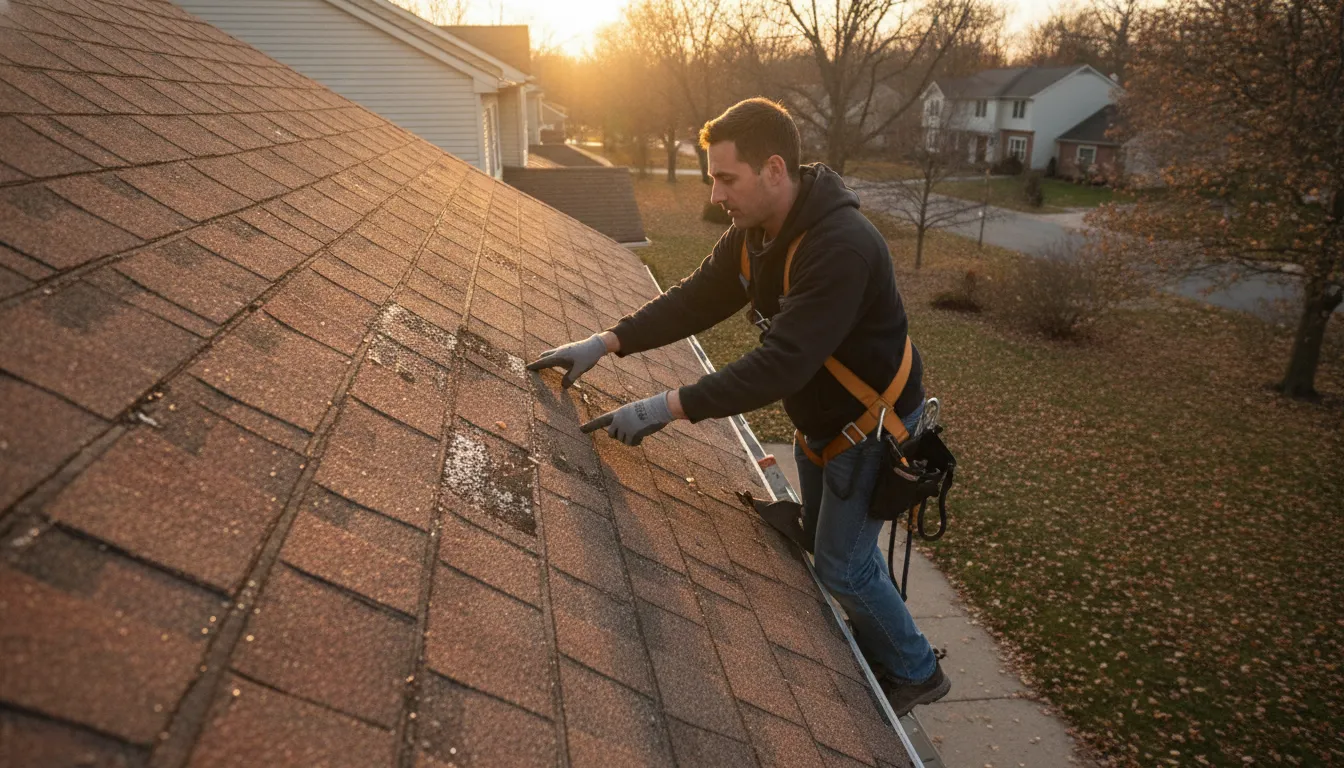
Photos and videos taken from a safe location are useful before filing, but they do not replace a professional inspection. The Michigan Department of Insurance and Financial Services recommends reviewing your policy before severe weather, while a contractor can help document the physical condition of the roof. Keep the declarations page, inspection findings, estimate, and repair records together.
Compare the estimate with your deductible
Do not assume every repair should become an insurance claim. If the expected repair cost is close to or below your deductible, filing may not be financially beneficial. Some Michigan policies also have a separate wind and hail deductible, which may be calculated as a percentage of dwelling coverage. Confirm the applicable deductible before deciding how to proceed. The policy, not a contractor, determines whether a loss is reimbursable.
Once the claim is approved, your contractor can coordinate materials, permits when required, scheduling, and replacement work. Signature Home Pros is a family-owned company serving central Michigan for more than 20 years. As a CertainTeed-trained and install-certified partner, the company meets the manufacturer’s product and installation standards, an additional quality indicator when you compare contractors. The team takes a no-pressure approach and offers flexible financing for project costs insurance does not cover.
If you are unsure whether repair or replacement makes sense, review these signs you need a new roof. You can also learn more about the company’s roofing services. For another perspective on when a claim may be worthwhile, see this Michigan roof insurance claim guide.
Common Reasons Michigan Claims Are Denied
A denial often comes down to the cause, condition, or documentation of the damage. Your policy is the controlling contract, so review its exclusions and claim requirements before assuming a roof loss is covered.
Was the damage caused by normal wear and tear?
Usually, no. Normal aging, decay, and deterioration are maintenance issues rather than sudden, accidental losses. Michigan insurance guidance distinguishes sudden events, such as wind, hail, ice dams, and snow weight, from gradual roof decline. DIFS recommends reviewing your policy before severe weather.
Is the roof too old for full replacement coverage?
Some insurers limit coverage when a roof is more than 20 years old, and some may decline new policies for roofs around 15 to 20 years old. If the settlement uses actual cash value, depreciation reduces the payment as the roof ages. Policy terms can differ, so confirm whether your policy pays replacement cost or ACV. See the age and settlement discussion from Policygenius.
Did neglect or lack of maintenance contribute?
A claim may be denied when a leak or failure is attributed to long-term neglect instead of a sudden covered event. Cleaning gutters, inspecting shingles, and addressing small problems can help prevent winter damage and reduce repair costs, according to Michigan DIFS.
Is the damage only cosmetic?
Minor dents or aesthetic imperfections that do not affect the roof’s function or structural integrity are often excluded. Victors explains the cosmetic-damage distinction, but your policy’s wording controls the decision.
Was the damage pre-existing or gradual?
Insurance generally responds to the covered event, not damage that existed before the policy loss. A gradual leak may reflect aging, failed maintenance, or another excluded cause. Liberty Mutual notes that leak coverage depends on what caused the leak.
Did you miss a deadline or lack documentation?
Missing a policy’s notice deadline, photos, inspection records, estimates, or other requested documents can complicate or weaken a claim. Photograph the roof from a safe vantage point, keep records, and follow the deadlines in your policy.
Call (810) 270-5922 for a free roof inspection.
Frequently Asked Questions
Will insurance cover a 10-year-old roof in Michigan?
It may, if the damage came from a covered, sudden event such as wind, hail, or a severe storm. Roof age can affect eligibility and settlement value, however. Some insurers limit coverage on roofs older than 20 years, while actual cash value reduces payment for depreciation. Review your declarations page and policy before filing.
Do I need a permit to reroof my house in Michigan?
Permit requirements can depend on the project and the local building authority. Before work begins, ask your municipality or contractor whether a permit is required for your address. Keep any permit records with your claim documents, because your policy and insurer will control what documentation is needed for reimbursement.
What is the 25% rule for roofing?
The phrase can refer to a policy or code requirement, so do not assume it determines your coverage. Ask your insurer to explain exactly which provision applies to your claim and request the answer in writing. A 25% rule for roofing usually relates to coverage thresholds or local code requirements, not a blanket denial of storm claims.
Under what circumstances will an insurer pay for a new roof?
An insurer may pay when a covered event causes damage beyond practical repair, subject to your policy, exclusions, deductible, and settlement method. Normal aging, wear, neglect, and some cosmetic damage are commonly excluded. Take photos from a safe location, arrange a professional inspection, and compare the estimated loss with your deductible before filing.
Schedule Your Free Roof Inspection
Schedule your free roof inspection today.
A professional inspection can help you document damage clearly and understand the next step before filing or moving forward with repairs. Signature Home Pros provides a straightforward, no-pressure evaluation for Michigan homeowners. To schedule a free roof inspection, contact our team or call (810) 270-5922.
Recent Comments