
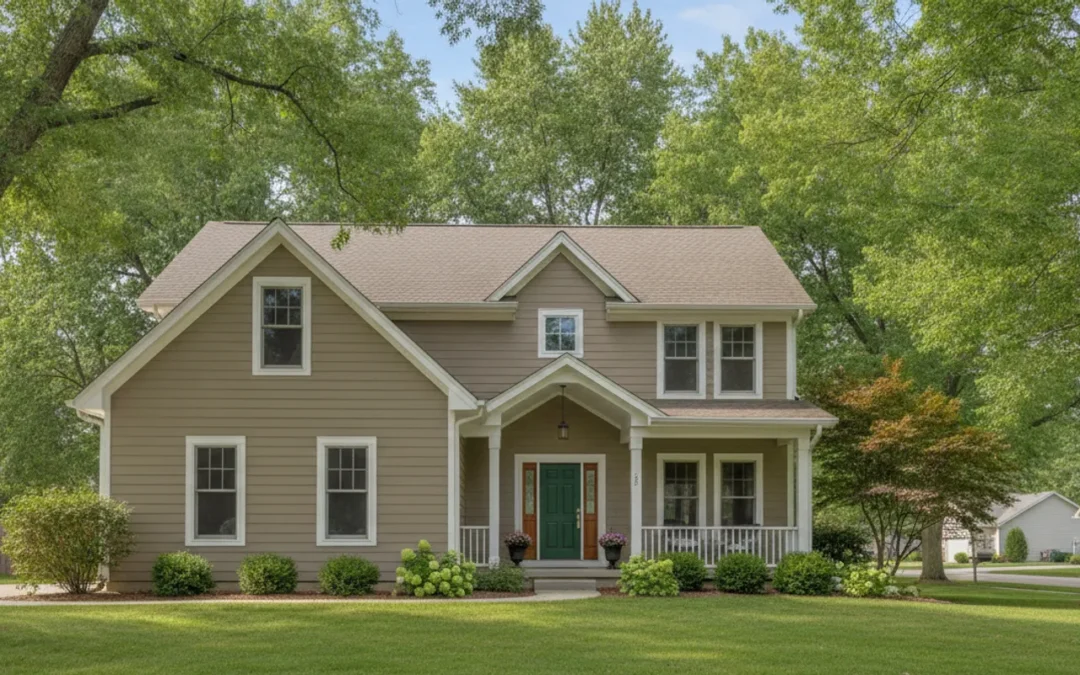
If you are comparing siding contractors in Flushing, MI, look beyond the material sample and the bottom-line estimate. A good comparison starts with a clear inspection, a written scope, answers about moisture and trim details, and a plan for protecting your home during the work. Signature Home Pros is a family-owned exterior renovation company headquartered in Flushing, with more than 20 years of experience serving central Michigan homeowners. Here is a practical way to assess your options and decide what to ask next.
Request a free siding estimate
Before you compare bids, take a look at the siding services and material options available for your home. Use the same questions with each contractor so you can compare the proposed work, not just a total number. Make a simple notes sheet with one column per proposal; it can expose differences that are easy to miss when estimates use different wording.
What should a siding contractor evaluate before preparing an estimate?
A useful estimate should be based on the actual house, not a quick guess from the street. During an inspection, the contractor should discuss the siding’s current condition and the areas that may affect the project scope. Those can include corners, trim, openings around windows and doors, transitions to other exterior materials, and any visible damage or moisture concerns.
Before the visit, note what prompted you to consider new siding. Is paint or finish failing? Are panels loose, cracked, or warped? Do you see staining, soft material, or signs of water getting behind the exterior? A homeowner’s observations do not diagnose the cause, but they help guide a more useful conversation. If you can, take a few dated photos from a safe position and write down when you first noticed the issue or whether it changes after rain. Those details give each contractor the same starting point.
- Point out specific areas of concern rather than relying on a general description.
- Ask what the contractor can confirm during a visual inspection and what would require further investigation once the old material is removed.
- Ask whether the proposal includes the visible trim and transition details you have discussed.
- Find out how any unexpected damage or concealed conditions would be documented and priced before extra work proceeds.
These questions make it easier to understand what the estimate covers. They also reduce the chance that two proposals appear comparable while including different assumptions. A thorough walkthrough is not a promise that every hidden condition can be identified in advance. It should, however, make clear what was observed, what remains uncertain, and how the contractor will communicate a discovery that changes the scope.
Which siding material may fit a Flushing home?
There is no single siding choice that suits every house. Think about the look you want, the condition of the existing exterior, the upkeep you are comfortable with, and the product details provided for the specific option. Signature Home Pros works with siding options that include vinyl, cedar shake, and board-and-batten styles. The following comparison is a starting point for discussion, not a substitute for reviewing the product specifications and project scope.
| Option | What to consider | Questions for the contractor |
|---|---|---|
| Vinyl siding | Color, profile, appearance, and the product’s care and warranty documents. | Which product and profile are proposed? How will corners, trim, and transitions be finished? |
| Cedar shake style | The dimensional look, finish choices, and the maintenance guidance for the exact product. | Is this natural cedar or a manufactured siding product? What upkeep does its documentation describe? |
| Board and batten | The vertical design, how it fits the home’s architecture, and details at edges and openings. | What material is specified, and how will the layout and trim details be shown in the scope? |
Ask to see the product name, profile, color, and relevant manufacturer information in writing. A broad label such as “premium siding” is not enough to identify what will be installed. If two estimates use different products, compare their documented specifications and care requirements before deciding. Samples also deserve a little context: a small sample can look different beside your home’s roof, brick, foundation, and existing trim than it does under indoor lighting. Check a sample outdoors at different times of day if the contractor can provide one, and confirm the final selection in the paperwork.
When you compare styles, consider how much of each one will be visible and whether the design details suit the house. For example, a vertical board-and-batten accent may look different from using it across every elevation. A shake-style product may be proposed for a gable or a larger wall area, which changes both the visual effect and how edges meet adjoining siding. Ask for the proposed locations and transitions to be identified rather than assuming a sample means that style is planned everywhere.
Product choice is only one part of the decision. Ask about the care instructions and written warranty for the exact product being considered. A warranty label does not explain every condition, so read the actual document and ask what it covers, what it excludes, and what homeowner maintenance it expects. Keep the product documents with your signed scope rather than relying on a verbal summary.
For homeowners comparing siding with another exterior update, it can help to coordinate the overall plan. Signature Home Pros also provides roofing services and window and door services. That does not mean every project should be bundled; it simply gives you a place to ask how the separate scopes might relate. For instance, if a window is also being considered for replacement, ask how the siding proposal handles the finish at that opening and whether the two work scopes describe compatible details.
Siding contractors Flushing MI homeowners can compare fairly
Start by checking that every proposal describes the same project. One contractor may include removal and disposal while another may assume the existing material stays in place. One may list trim replacement or explain how damaged areas will be handled, while another leaves those details open. Until you know what is included, comparing totals alone can be misleading.
Read each estimate for these items:
- Defined work area: Does the document identify the elevations or sections included?
- Product detail: Does it name the siding material, product, profile, and selected color or finish?
- Removal and cleanup: Does it explain what happens to existing siding and job debris?
- Trim and transitions: Are the related details discussed and included or clearly excluded?
- Preparation: Does the scope describe how the visible substrate or damaged material will be addressed?
- Unforeseen conditions: Does it say how concealed issues will be communicated and approved before additional work?
- Schedule and access: Are expected start timing, work access, and homeowner responsibilities explained?
- Warranty documents: Are product coverage and any contractor-provided terms identified in writing?
Look for specific answers, not promises that sound reassuring but leave the scope unclear. Ask the contractor to revise the proposal if an important item is discussed verbally but missing from the document. Keep versions and written responses together so you can refer to the same information later. If a detail is intentionally excluded, ask whether you should expect to arrange it separately or whether it is not needed for your project.
Do not assume that a larger or smaller estimate is automatically better. A lower total may reflect a different product, less included work, or assumptions that have not yet been clarified. A higher total may also need explanation. Ask what accounts for the difference, then decide whether the included scope matches your priorities and budget. The goal is not to force every contractor into the same price; it is to understand what each price represents.
Here is one way to test whether an estimate is clear. Suppose Proposal A includes removal, disposal, and specified trim, while Proposal B lists only new siding and does not explain the old material or trim. Before treating B as the less expensive choice, request written answers about those omissions. The comparison may change once you understand which tasks are included and what remains your responsibility. If the two proposals still differ, write down the difference and decide whether it matters to the result you want.
Likewise, if one contractor proposes a different product line or profile, compare the actual product information rather than treating the names as equivalent. Ask whether the color, finish, and accessory pieces are included in the listed scope. Clarify any allowances or selections that remain open, including how a change in selection would affect the written proposal. You do not need to be an expert in every product; you do need enough detail to know what you are choosing.
Siding contractors Flushing MI homeowners should ask about the project
Use a short, consistent list with each contractor. Their answers can show whether they understand your concerns and whether their proposal is clear enough to evaluate. You can also note whether each response is reflected in the estimate; that makes follow-up easier and helps prevent a conversation from getting separated from the project documents.
- What exact siding product and profile are you proposing? Ask for the written product details and samples that represent the selected color and finish.
- What is included in the project scope? Clarify removal, disposal, trim, preparation, cleanup, and any related work.
- How will you address visible damage or possible moisture concerns? Ask what can be assessed now and how concealed conditions would be handled if discovered later.
- How will the home and surrounding areas be protected? Have the contractor explain the plan for access, landscaping, and cleanup in terms specific to your property.
- Who will be my contact during the project? Know how to raise a question and how changes or decisions will be recorded.
- What timing should I plan around? Ask about the proposed schedule and what factors could affect it; avoid treating a rough estimate as a guaranteed completion date.
- What documents will I receive? Ask for the final scope, product information, payment terms, and written warranty details before you agree.
Listen for answers that are direct and consistent with the written estimate. If a response depends on a condition that cannot be seen until work begins, ask how that uncertainty will be documented and discussed. A clear process for questions and changes matters as much as a polished presentation.
It can help to ask each contractor the same follow-up question: “Can you show me where that is covered in the proposal?” This is not a test of personality or a demand for unnecessary detail. It gives both sides an opportunity to confirm that the verbal explanation and the written scope match. If the answer is not in the estimate yet, request an updated version before making a decision.
Why are moisture and existing damage important?
Siding is part of the home’s exterior, so visible damage deserves a closer look rather than a cosmetic cover-up. Cracked or deteriorated material, staining, or damp areas may call for an assessment of the underlying condition. Ask the contractor to distinguish what is visible from what cannot be verified until the work area is opened.
A City of Columbia preservation workshop report advises repairing rotted or cracked siding and trim with appropriate materials and addressing moisture before primer, paint, or caulk is applied. That guidance is for preservation work, but it reinforces a practical question for any repair conversation: what is causing the damage, and what needs attention before the exterior is closed or finished? See the report’s preservation and moisture guidance.
Do not treat a quick visual check as proof that hidden areas are sound. Instead, ask what the contractor can inspect, how findings will be shared, and whether additional work would require your approval. For an older home or a complicated transition, request that the relevant details be described in the written scope. If a concern appears isolated, ask what evidence supports that view; if the extent is uncertain, ask how the inspection will proceed once the area is accessible.
It is useful to separate three things in the conversation: the symptom you noticed, the visible condition the contractor observed, and the explanation for what caused it. Staining, for example, is an observation, not a complete diagnosis. Ask what additional checking is needed before anyone recommends simply covering or sealing the area. The contractor may not be able to answer every question before work exposes the underlying area, so agree on how you will be contacted and what decisions will pause for your approval.
How do you prepare for a siding project?
Once you have selected a contractor and agreed on the scope, confirm practical details before work begins. Make sure the chosen product, color, work areas, and any agreed trim decisions match your records. Ask who to contact if the site conditions differ from what was expected. A brief pre-start conversation can resolve simple questions while there is time to update the paperwork or coordinate access.
- Save the signed proposal and any written revisions in one place.
- Confirm how the contractor will communicate schedule updates and questions.
- Ask what needs to be moved or made accessible around the home.
- Discuss how pets, outdoor items, vehicles, and work access should be handled during the project.
- Review the agreed approach for debris and cleanup.
- Ask how a change in scope will be explained and approved before it is carried out.
These are coordination questions, not assumptions about a contractor’s particular installation process. Your home, access, and project scope will determine what preparation is needed. Keep the conversation specific to your property and capture any important agreement in writing. For example, if access near a side entrance or a garden bed needs special coordination, bring it up before the schedule is set rather than assuming the work crew will know your preference.
Before work starts, compare the final selection against your records: product, profile, color, areas included, and any details that changed after the initial estimate. Keep contact information and the agreed communication method accessible. If you have questions about a proposed change, ask for a plain explanation of why it is needed, what it changes, and whether it affects the schedule or total scope. Then keep the response with the project documents.
What are signs that a proposal needs clarification?
A proposal may need more detail if the product is unnamed, the work area is vague, related trim is not addressed, or the contractor cannot explain how unexpected conditions would be handled. These gaps do not prove that a contractor is unsuitable, but they make it harder for you to compare options and understand what you are agreeing to.
Pause and ask for clarification if you feel rushed, if important promises remain verbal, or if the estimate changes without an explanation you understand. A professional conversation should leave room for questions. You can also check the company’s background, service information, and customer feedback as part of your research. Read about Signature Home Pros, explore its customer reviews, and confirm whether your home is within its service area.
Other useful signals are practical rather than dramatic. Does the contractor listen to the concern that brought you to the project? Are answers consistent across the inspection, written estimate, and follow-up? Are you given a way to ask questions after signing? These points do not guarantee an outcome, but they help you judge how clearly the project is being planned. Compare the quality of communication alongside the details of the work, without substituting a friendly conversation for a complete written agreement.
Schedule a siding consultation to discuss your project
Contact Signature Home Pros for a no-pressure siding estimate
Frequently asked questions
How many estimates should I compare?
There is no fixed number that works for every project. Compare enough written proposals to understand the options available to you, and make sure each one describes a similar scope. A careful comparison is more useful than collecting estimates that leave different details unresolved.
Should I choose the lowest siding estimate?
Not without checking what it includes. Confirm the product, work area, removal, trim, preparation, cleanup, and process for unexpected conditions. If proposals differ, ask each contractor to explain the differences before judging the totals.
Can a contractor identify hidden damage before siding is removed?
A visual inspection can identify visible concerns, but concealed areas may not be fully assessable until they are accessible. Ask what the inspection can confirm and how findings that change the scope will be documented and brought to you for a decision.
What should I get in writing before work begins?
Keep a signed scope that identifies the product and work areas, what is included or excluded, payment terms, schedule expectations, and applicable written warranty information. Record agreed changes in writing as well.
Ready to discuss siding for your Flushing home?
Choose a contractor who answers your questions clearly, explains the proposed scope, and gives you enough written detail to make an informed decision. Signature Home Pros is family-owned and serves central Michigan homeowners with exterior renovation services. If you would like to talk through siding materials or request an estimate, contact the team to start a no-pressure conversation.
A clear scope and an informed material choice can help you plan a siding project with greater confidence.
Recent Comments