
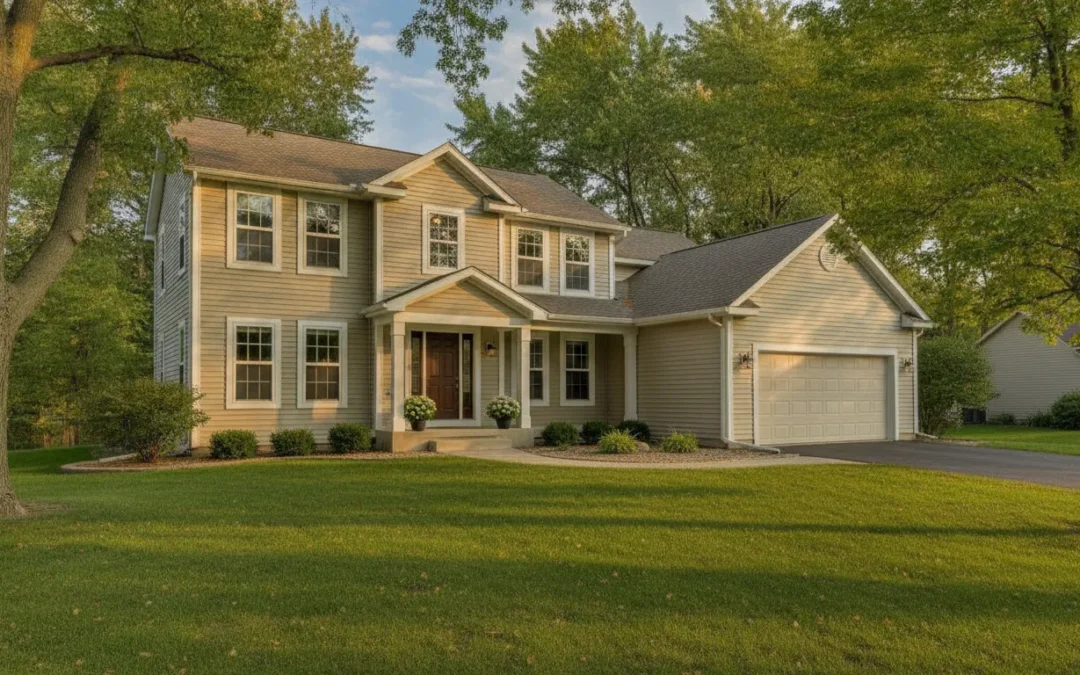
When Michigan homeowners ask about new siding cost Michigan projects, the material is only one part of the answer. Home size, labor, removal, repairs, trim, access, and weatherproofing all affect the final investment. This guide shows how to plan a realistic budget, compare siding materials, and evaluate written estimates without relying on a headline number.
Schedule a free siding estimate with Signature Home Pros.
The new siding cost Michigan homeowners should plan for depends on the material, labor scope, repairs, and project complexity. Regional examples can establish a starting budget. But an on-site inspection is the only reliable way to account for conditions beneath existing siding and the details of a particular home.
This guide explains the main cost drivers, compares common siding styles, and shows what to ask for in a written estimate. For broader planning, review the Michigan siding replacement guide as you compare materials, energy goals, and project timing. You can also review the company’s approach to family-owned service before choosing a contractor.
What Is the Average Siding Cost in Michigan?
There is no single statewide average for siding replacement. A useful Michigan budget starts with the home’s exterior wall area and then adds material, labor, removal, preparation, trim, access, and repairs. Regional examples can help with planning, but a written inspection-based proposal is more useful than a generic online average.
There is no single statewide price for siding replacement. A practical starting point is to compare the exterior wall area, selected material, labor scope, removal requirements, and repair allowance. A two-story home with several gables, dormers, corners, and openings can require much more labor than a simple one-story home with the same interior square footage.
Signature Home Pros documents a mid-sized siding project of approximately $15,072. The same example records approximately $11,554 recouped and a 76.7% return on investment. These figures provide useful context for thinking about value, but they describe one project. They do not guarantee the cost, return, or resale result for another property.
What should a siding quote include?
A useful quote should make the scope clear enough for you to compare proposals fairly. Ask whether it includes removal of existing siding, disposal, wall preparation, inspection for wood rot, and repairs discovered beneath the old cladding. It should identify the siding profile, accessories, flashing, corner posts, window and door trim, soffit, fascia, and cleanup.
Labor should also be explained. Installation around multiple stories, tight side yards, complex gables, numerous openings, or difficult staging areas is different from work on an open one-story wall. A low number may look attractive if preparation or finish details are left out. A complete proposal helps you judge total value instead of comparing one headline number.
Buyer tip: Ask for a written scope that explains what is covered, what is excluded, and how unexpected repairs will be documented and approved. That conversation can prevent budget surprises later.
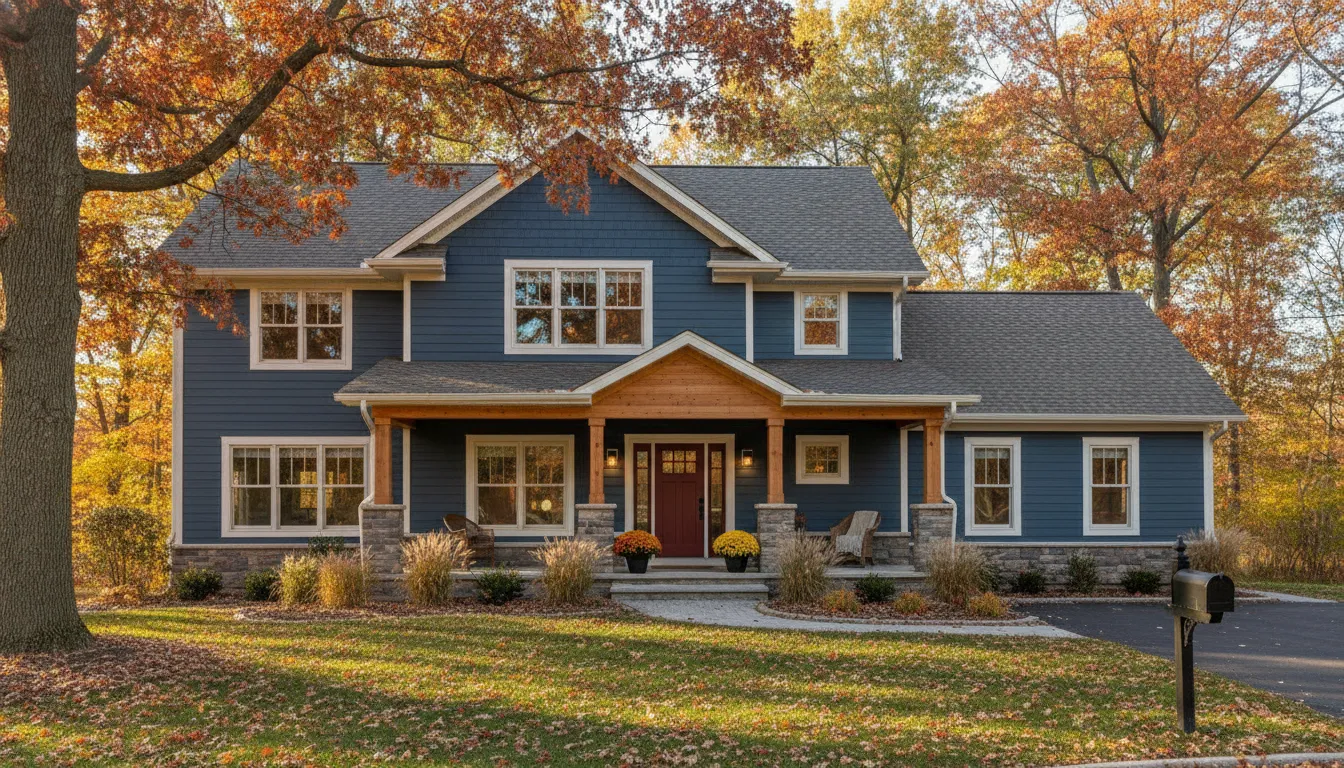
How Do Vinyl, Cedar Shake, and Board and Batten Compare?
Vinyl, cedar shake, and board and batten can all serve Michigan homes, but they do not create the same budget or installation scope. Vinyl is often a practical starting point, while shake and board and batten may be used as design accents. Compare the complete system, including trim, flashing, accessories, and labor.
Material choice affects more than the first line of an estimate. It also shapes maintenance, curb appeal, durability, installation details, and how well the exterior fits the home’s architecture. The best comparison is not a fixed price list. It is an evaluation of which material matches the home, exposure, appearance goals, and long-term maintenance preferences.
Common siding options for Michigan homes
Vinyl, including CertainTeed lap siding
Cost context: Often a practical starting point for a replacement budget. Removal, preparation, trim, access, and home size still determine the final project cost.
Maintenance and performance: Low-maintenance siding with flexible color and profile choices. The selected product and installation details should be identified in the proposal.
Best fit: Many traditional and contemporary homes, especially when homeowners want a clean exterior with manageable maintenance.
Cedar Discovery shake
Cost context: Often used as a design-focused upgrade or accent rather than treated as a simple whole-house commodity. The amount and placement of shake change the scope.
Maintenance and performance: Creates texture and visual interest. Ask how corners, transitions, and weather-exposed areas will be detailed.
Best fit: Gables, entry areas, and architectural accents where the homeowner wants a distinctive exterior.
Board and batten
Cost context: Cost depends heavily on the layout, coverage, trim details, and whether it covers the full exterior or only an accent area.
Maintenance and performance: Maintenance and service life depend on the specific product and installation. The estimate should identify the panel system, fastening, flashing, and transitions.
Best fit: Homes with modern, farmhouse-inspired, or mixed-material designs that benefit from stronger vertical lines.
Use broad material comparisons carefully
One Michigan cost guide reports that fiber cement can cost roughly 20% to 30% more than standard vinyl. That is general market context, not a Signature Home Pros price. Fiber cement also has different installation and maintenance considerations, so comparing only the material purchase price can produce an incomplete budget.
CertainTeed offers more than one visual direction, including lap siding, Cedar Discovery shake, and board and batten. A homeowner might use lap siding across most walls, then add shake or board and batten around a porch, gable, or entry. That approach can change both the appearance and the amount of specialty material and trim required. Review the Signature Home Pros siding service page for product and installation context. Homeowners comparing energy upgrades can also review the windows and doors service page for related exterior-envelope planning.
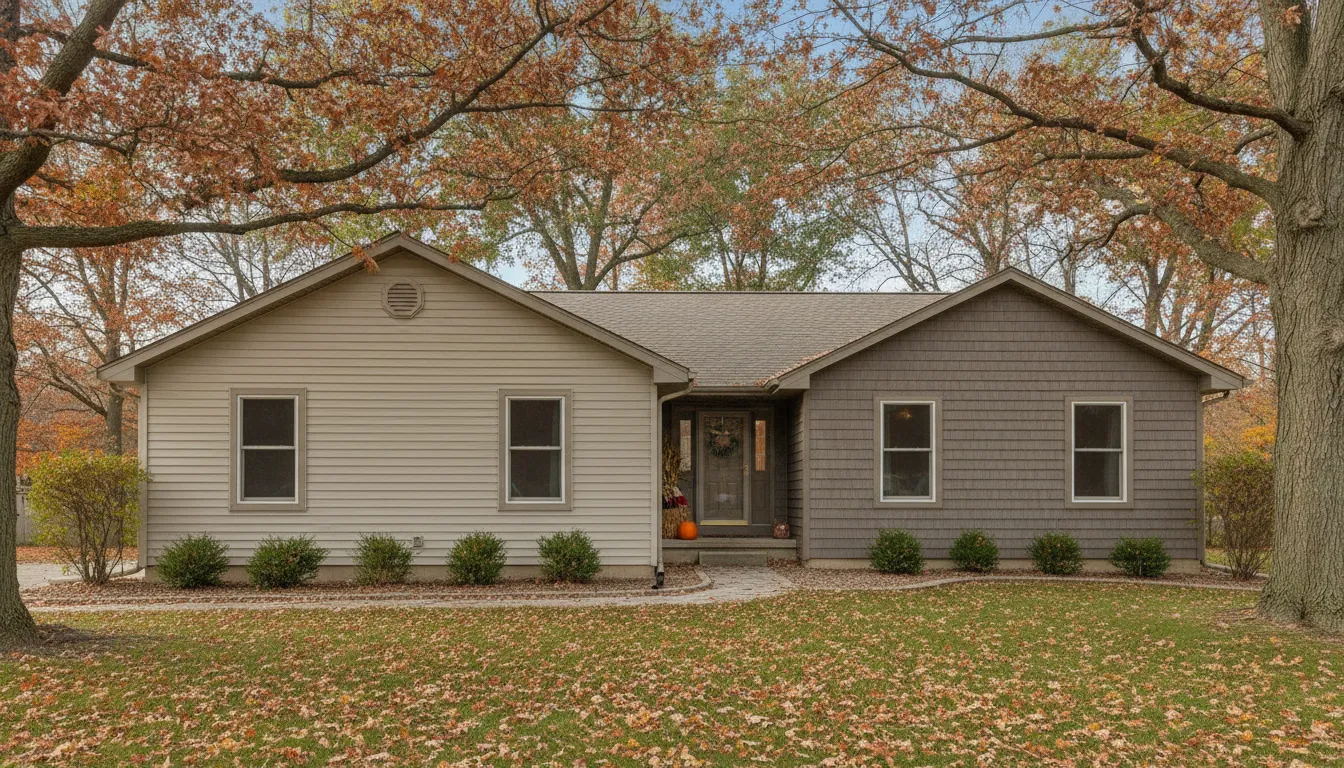
What Factors Drive New Siding Cost in Michigan?
New siding cost in Michigan changes with exterior wall area, stories, gables, openings, removal, repairs, trim, access, insulation, and weatherproofing. The visible siding is only one part of the project. A careful estimate accounts for the wall assembly and finish details so homeowners can compare complete scopes rather than headline prices.
A siding estimate is shaped by much more than the material selected. Two homes with similar floor plans can have different totals because the exterior wall area, condition, layout, and access are not the same. An online calculator or phone estimate can provide a starting point, but it cannot replace an inspection.
Home size and exterior design
Contractors measure exterior wall area rather than relying only on interior square footage. They also account for stories, gables, dormers, bump-outs, corners, windows, doors, and roofline transitions. These details create more cuts, flashing points, and trim work. A simple one-story exterior is generally more straightforward than a multi-level home with several rooflines and intricate details.
Removal, repairs, and finish work
Removing old siding adds labor, disposal, and preparation. Once the exterior is opened, the inspection should look for wood rot, moisture damage, or structural problems beneath the existing cladding. Covering those conditions without repair can undermine the new installation.
Trim, soffit, and fascia work also affect the total. These components finish roof edges and transitions, protect vulnerable areas, and influence the appearance of the completed exterior. If they are damaged or incompatible with the new siding system, replacing or modifying them may be part of a properly prepared quote. Homeowners planning a broader home exterior renovation in the Flint area should ask whether related work is included or priced separately. If gutters are part of the project, the seamless gutter service may be relevant to the overall scope.
Insulation, access, and Michigan weather
Insulated siding may change the project scope because it combines vinyl siding with rigid-foam insulation attached to the panels. The U.S. Department of Energy explains that continuous insulation can reduce thermal bridging through wall studs and improve the wall’s overall R-value. Whether that upgrade makes sense depends on the home’s existing envelope, goals, and selected product.
Access matters too. Tight side yards, landscaping, steep grades, height, scaffolding needs, and limited staging space can make preparation and installation more involved. Michigan’s freeze-thaw cycles, wind, snow, and rain also make proper weatherproofing and scheduling important. The goal is not merely to cover the wall. It is to create an exterior system with sound preparation and water-management details.
Request an on-site siding consultation and discuss your project scope.
How Do Michigan Siding Labor Costs Fit Into the Total?
Siding labor covers more than attaching panels. It can include removal, disposal, wall preparation, repairs, flashing, installation around openings, trim, soffit, fascia, and cleanup. Labor increases when a home has multiple stories, complex rooflines, tight access, or extensive preparation needs, so compare the scope behind each bid.
Labor is not an add-on that can be judged fairly by an hourly number. It is the work required to remove, prepare, protect, install, and finish the home’s exterior. When you compare a new siding cost Michigan estimate, look at the complete labor scope behind the total project price.
What the labor scope may include
A thorough project can begin with removing the existing material and disposing of it properly. The crew may then prepare the wall surface, replace damaged areas, and address wood rot or other problems found beneath the old siding. That preparation matters because new siding depends on a sound, reasonably even surface.
Installation includes more than attaching panels. The scope may involve flashing around vulnerable transitions, fitting siding around corners, and carefully working around windows and doors. Trim, soffit, and fascia can require additional measuring, cutting, and finishing. Homes with multiple stories, limited access, unusual rooflines, or many architectural details may take more time than a simple open-wall design.
Why the lowest bid may not be the complete bid
An unusually low price is not automatically a better value. It may reflect a narrower scope that leaves out surface preparation, disposal, flashing, trim, or allowances for repairs. Request that each contractor explain whether the proposal includes removal, disposal, wall preparation, repairs, flashing, installation, and finishing around windows, doors, corners, and trim.
Ask whether the company is properly licensed for the work, carries liability insurance, and maintains workers compensation coverage. Confirm which siding and accessory materials are included, and ask what workmanship coverage applies. Request the details in writing so you can compare scope, quality, and accountability rather than just the bottom line. A no-pressure review should leave you with clear answers, not a rushed decision.
Can Financing Make a Siding Project More Manageable?
Financing can help an eligible homeowner plan a siding project, but the right comparison includes the cash price, project scope, payment schedule, lender terms, interest, fees, and eligibility. Signature Home Pros documents an offer with no payments until 2027. Approval and terms vary, so review the written agreement before committing.
A siding replacement is easier to plan when you look at the full project budget instead of focusing only on the material price. Your total may include removal and disposal, surface preparation, repairs, trim, soffit or fascia work, installation, and upgrades. Listing these items before making a decision helps reduce the chance of being surprised by necessary work later.
Start by deciding what monthly budget feels responsible for your household, then ask the contractor to explain how the proposed project fits that budget. Evaluate financing alongside the cash price, project scope, payment schedule, and lender agreement. Approval, available terms, interest, fees, and eligibility can vary by lender and applicant. Review the complete written terms before committing.
Signature Home Pros documents an offer with no payments until 2027. That offer may give an eligible homeowner more time to organize cash flow while a project is completed. It is not a promise of approval, and it does not mean every financing plan has the same terms. Ask which lender provides the offer, when payments begin, what happens after the promotional period, and whether conditions apply.
Budget for performance, not only the initial payment
The lowest immediate payment is not automatically the lowest-cost choice over time. Consider the siding material, preparation quality, expected maintenance, and how well the work addresses the exterior’s condition. A proposal that omits repairs or installation details can look attractive while leaving additional work later.
The Department of Energy explains that insulated siding is vinyl siding with rigid foam insulation attached to the panels. It can reduce thermal bridging and improve wall R-value when properly installed. That does not guarantee a specific energy-bill reduction. It is not a substitute for evaluating the home’s insulation and air sealing. Read the Department of Energy explanation of insulated siding for building-science basics.
How Can You Get an Accurate New Siding Cost Estimate?
The most reliable way to estimate a siding project is to define the scope and document the home’s exterior. Complete an on-site inspection, request a detailed written proposal, and compare equivalent materials and finish work. This process exposes differences in preparation, repairs, trim, and installation that a headline price can hide.
An accurate estimate starts with useful information about the home and ends with a written scope. Online calculators and phone quotes may provide a rough starting point, but they cannot show what is behind existing siding or account for every installation detail. Use this process to compare value, quality, and total project scope.
- Define the project scope. Decide whether you are considering a complete replacement or selected elevations, gables, or additions. Note related work such as trim, soffit, fascia, window surrounds, or insulation.
- Gather photos and priorities. Take exterior photos from each side of the house, including damaged, warped, loose, or discolored areas. List whether curb appeal, low maintenance, durability, moisture protection, or a defined budget matters most.
- Require an on-site inspection. An estimator should examine the number of stories, corners, windows, doors, roofline transitions, access conditions, and the surfaces beneath the cladding. Hidden moisture or rot can change the preparation scope.
- Ask exactly what the estimate includes. Request details on removal, disposal, preparation, repairs, flashing, trim, soffit, fascia, cleanup, siding profile, color, accessories, insulation, and installation standards.
- Compare written proposals carefully. Check that each contractor is pricing a similar material, coverage area, preparation plan, and finish details. An unusually low bid may leave out necessary preparation or trim work.
- Confirm the next step before committing. Ask how long the estimate remains valid, what decisions are needed, and when work could be scheduled. Signature Home Pros is a family-owned company based in Flushing with more than 20 years of experience and a no-pressure approach.
Get a written siding estimate for your Michigan home.
Frequently Asked Questions
These answers address common questions about new siding cost Michigan homeowners ask when planning replacement work.
How much does new siding cost in Michigan?
The new siding cost Michigan homeowners should budget depends on home size, material, labor scope, and repairs discovered during inspection. Regional examples can help with planning, but these figures are not a substitute for an on-site estimate.
What is the most affordable siding material in Michigan?
Vinyl is generally the most cost-effective siding material and is popular for its low-maintenance design. The total value still depends on the product, installation, preparation, trim, and the home’s condition. Compare the complete project scope, not only the material price.
How do labor costs affect siding installation?
Labor can include removing and disposing of old siding, preparing the surface, correcting damage, working around stories and openings, and installing trim, soffit, fascia, and flashing. A detailed quote should identify those items so you can compare bids fairly without relying on an hourly rate alone.
How does Michigan’s climate affect siding choice?
Michigan’s freeze-thaw cycles, wind, moisture, and temperature swings make proper installation and weather protection important. A contractor should evaluate the wall assembly and select a product that fits the home’s exposure, maintenance preferences, and budget. Insulated siding may improve wall R-value when properly installed.
Is replacing siding before selling a Michigan home worth considering?
It may be worthwhile when existing siding is visibly worn, damaged, or hurting curb appeal, but the right decision depends on condition, timing, and expected return. Ask for an on-site assessment and compare the improvement with other updates the home may need before listing.
Schedule Your Michigan Siding Estimate
A siding estimate becomes more useful when it connects the home’s condition, preferred material, preparation needs, and complete installation scope. Signature Home Pros can review those details with Michigan homeowners and explain available options without a high-pressure sales process.
Every home has different dimensions, details, and preparation needs. An on-site review can turn general cost guidance into a clearer project plan. Signature Home Pros can discuss siding options, review the exterior, and prepare an estimate suited to the home.
Recent Comments