
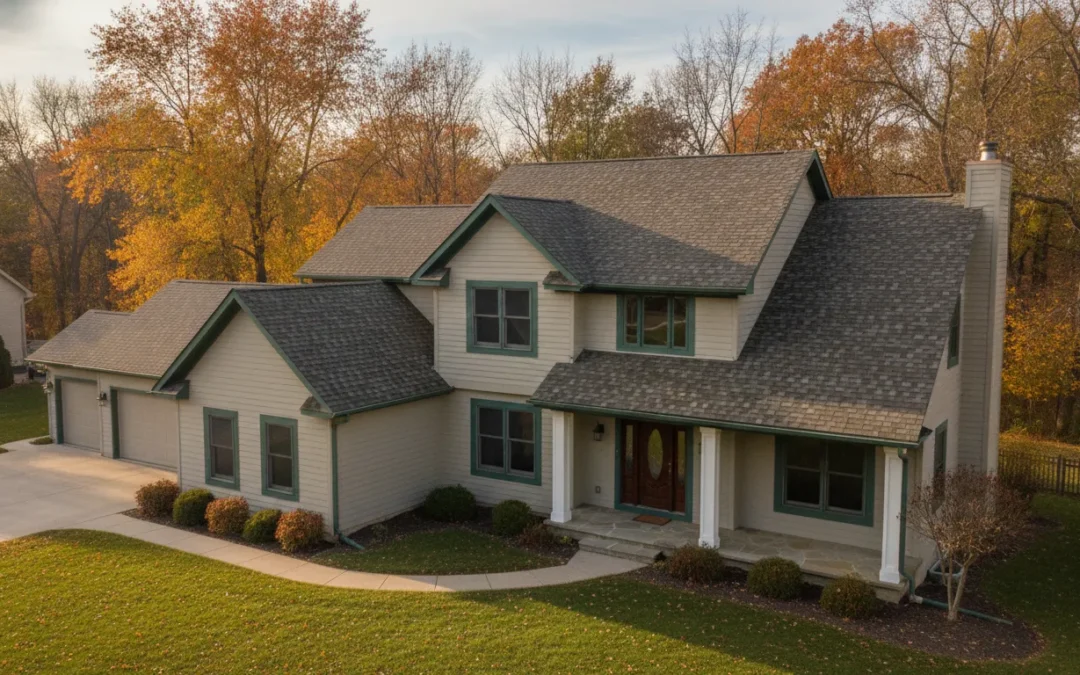
Your roof does more than complete your home’s appearance. It helps protect the structure, insulation, and belongings from rain, snow, and ice, so deciding what to do next deserves more than a quick glance from the driveway. For homeowners considering roofing grand blanc mi, the right starting point is a clear look at the roof’s condition, the materials that fit the home, and the contractor’s process.
Request a free, no-pressure roofing estimate in Grand Blanc.
A practical roofing decision in Grand Blanc starts with a detailed inspection. From there, a homeowner can compare repair, replacement, or new-installation options, ask how materials and ventilation will be handled, and request a written scope before scheduling work.
Local weather, roof design, visible wear, and previous repairs can all affect the recommendation. A no-pressure estimate should help you understand those conditions without forcing a decision before you are ready. The first step is to clarify what roofing work may include and which parts of the project deserve your attention.
What Does Roofing in Grand Blanc, MI Usually Include?
For homeowners researching roofing grand blanc mi, the first step is understanding what kind of work the roof may actually need. Roofing is not one single service. A project might involve a focused repair, a full replacement, or installation on a new addition or newly built home. The right scope depends on the roof’s current condition, the source of any damage, and the goals of the homeowner.
Repairing a specific problem
Roof repair addresses a limited issue when the rest of the roof remains a suitable candidate for continued service. Depending on what an inspection finds, that may mean addressing damaged roofing materials, a leak source, or another localized concern. Because water can travel from its entry point, a visible stain on a ceiling does not always identify the exact roof problem. An inspection helps separate an isolated repair from a more extensive condition.
Replacing an aging or extensively damaged roof
Roof replacement is broader than a repair. It generally involves removing existing roofing materials, evaluating the underlying conditions, and installing a new roofing system according to the selected materials and manufacturer specifications. Replacement may be worth discussing when damage is widespread or when the existing roof no longer provides a sound base for isolated repairs. A contractor should explain what was observed and why replacement is being recommended rather than treating it as an automatic answer.
Installing a roof on a new project
New roof installation can be part of a home construction project, an addition, or another expansion. The scope may include selecting materials, coordinating roof details, and integrating features such as skylights where appropriate. Signature Home Pros primarily installs asphalt shingles in a variety of styles and colors, while the best fit still depends on the home’s design and the homeowner’s priorities.
In Grand Blanc, the process typically begins with a detailed inspection of existing conditions and a free, no-pressure estimate. That conversation should clarify whether the recommendation is repair, replacement, or installation, what materials are being considered, and which parts of the work are included. Homeowners can explore Signature Home Pros’ roofing installation and repair services. Then they can use the inspection findings to make a decision based on their home’s needs.
What Roofing Materials Make Sense for a Grand Blanc Home?
Material selection should begin with the home, not with a one-size-fits-all product list. The roof’s shape, existing deck, ventilation, penetrations, appearance, and the homeowner’s maintenance expectations all matter. In Grand Blanc, a careful inspection can help determine whether a familiar asphalt shingle system is appropriate or whether another material deserves consideration.
Asphalt shingles
Asphalt shingles are widely used and come in varied styles and colors. They are Signature Home Pros’ primary roofing installation material. The U.S. Department of Energy describes asphalt shingles as among the least reflective and most widely used roof types in American homes.
Questions to ask: Which shingle style fits the home’s design? What underlayment and flashing requirements apply? What ventilation and manufacturer specifications should the installer follow?
Metal roofing
Metal is a separate material category that may be worth discussing when a homeowner has specific design, maintenance, or roof-assembly goals. Its suitability depends on the home’s structure, details, and the proposed system, not on the material name alone.
Questions to ask: How will the system handle valleys, wall intersections, chimneys, vents, and other penetrations? Who will specify and install the complete assembly?
Specialty details
Skylights, valleys, eaves, wall intersections, and roof penetrations deserve focused planning. Signature Home Pros’ roofing scope includes Velux skylight installation and integration, when appropriate to the project.
Questions to ask: How will water be directed away from vulnerable areas? Which membrane, flashing, and manufacturer specifications are included in the written scope?
Asphalt does not mean generic. Shingle profile, color, underlayment, flashing, ventilation, and installation quality all affect how the finished roof fits the home. Signature Home Pros holds CertainTeed SELECT ShingleMaster certification, which can support a conversation about manufacturer specifications when CertainTeed products are being considered. It is still important to review the actual product and scope proposed for your roof.
Metal roofing also should be evaluated as a complete assembly rather than as a surface material alone. A sound discussion should cover the roof deck, water-management details, penetrations, ventilation, and transitions between materials. Homeowners who want to compare the two primary options can compare Michigan roofing materials before scheduling an inspection.
The right choice for roofing in Grand Blanc, MI depends on the existing conditions and the goals for the project. Ask for clear material specifications and a written explanation of why the proposed system fits your home.
Compare your roofing options with a free, no-pressure consultation.
How Do You Choose a Roofing Contractor in Grand Blanc, MI?
A roofing contractor should make it easier to understand your options, not harder to evaluate them. Before you sign an agreement, look for evidence of the contractor’s qualifications, a careful inspection, a written scope of work, and clear communication from the first conversation through the final walkthrough.
Verify the license and the relevant trade
Michigan’s Licensing and Regulatory Affairs department lists roofing among the trades covered by a residential maintenance and alteration contractor license. LARA also explains that qualified trades are listed on the contractor’s license. You can review Michigan’s contractor license information and ask the company to identify the license holder and the trade classification that applies to your project. This is a basic verification step, not a substitute for evaluating the work itself. Also ask any questions you have about insurance, manufacturer requirements, and project protections rather than assuming they are included.
Expect an inspection before a recommendation
A trustworthy recommendation starts with an inspection of the roof and the conditions around it. The contractor should explain what they observed, including concerns involving shingles, flashing, valleys, penetrations, ventilation, or the roof deck when those areas are accessible. Ask which findings require immediate attention and which can be monitored. If the contractor recommends replacement, ask why repair would not be appropriate. If repair is proposed, ask what portion of the problem the repair is expected to address.
Signature Home Pros serves Grand Blanc, and its local service records include 33 completed projects there. Its roofing scope includes repair, replacement, and new installation. That local experience can provide useful context, but your decision should still be based on the inspection and the written plan for your home.
Compare the written scope, not just the conversation
Request a written description of the work before comparing proposals. It should identify the planned material, removal and disposal responsibilities, underlayment, flashing or ventilation work when applicable, areas requiring deck repair, cleanup, and the process for handling unexpected conditions. Make sure the document explains what is included and what would require separate approval. A clear scope helps prevent misunderstandings when the work begins.
Pay attention to references and communication
Ask for references from comparable roofing projects. Local references can be especially useful. Contact them with questions about preparation, cleanup, communication, and how changes were handled. You should also know who will answer questions during the project, how updates will be provided, and how concerns should be documented. A contractor who communicates clearly before the agreement is more likely to give you the information needed to make sound decisions during the work.
For an informational starting point, review Signature Home Pros’ roofing installation and repair services, then compare the inspection findings and written scope with your home’s needs.
Repair or Replacement? Signs Your Roof Needs Attention
Roof problems do not always announce themselves with a dramatic leak. A few missing or damaged shingles, loose flashing, granules collecting in gutters, or daylight visible in the attic can all justify a closer look. Inside the home, watch for water stains on ceilings or walls, damp insulation, peeling paint, or musty odors near the roofline. These clues do not identify the cause by themselves, but they are useful reasons to schedule a professional inspection.
After wind, hail, or severe weather, look from the ground for lifted, curled, cracked, or displaced shingles. Check whether metal flashing around chimneys, vents, skylights, and wall transitions appears bent or separated. Sagging areas are especially important to report promptly, because they may indicate a problem with the roof structure or moisture that has moved beneath the visible surface. Avoid climbing onto the roof to investigate damage. A professional can assess hard-to-see areas more safely and determine whether the concern is limited or widespread.
When repair may be part of the conversation
A localized issue may be suitable for repair. Examples include damage around one roof penetration or a limited storm-damaged area. That decision depends on the condition of the surrounding materials, how water is moving through the assembly, and whether the underlying deck and flashing remain sound. Even a small interior stain deserves attention, since the visible mark may not be directly below the entry point.
When replacement deserves consideration
Widespread shingle deterioration, recurring leaks, multiple damaged areas, or visible sagging can signal that a larger scope should be evaluated. This is not a remote diagnosis. The right choice between repair and replacement requires an inspection of the existing roof and a clear explanation of the findings. For a deeper checklist, review these signs your Michigan roof needs replacement.
Signature Home Pros provides roofing repair and replacement options for homeowners in Grand Blanc and the surrounding area. If an inspection points toward replacement, you can learn more about its professional roof replacement service. The goal is to understand the roof’s actual condition first, then choose a practical next step based on documented findings.
What Happens During a Roofing Project?
A well-managed roofing project begins with understanding the existing roof and ends with confirming that the work area and finished installation are in good order. For homeowners considering roofing in Grand Blanc, MI, the process should be clear enough that you know what is being evaluated, what is included, and which decisions still need your approval.
- Inspection and initial estimate. The project starts with a free estimate and a detailed inspection of the existing conditions. The inspection should look beyond the visible shingles and consider areas such as roof edges, valleys, penetrations, flashing, ventilation, and the condition of the roof deck where it can be evaluated. This helps separate a repair need from a larger replacement or installation scope without trying to diagnose the roof from the ground.
- Written scope of work. Before work begins, ask for the proposed scope in writing. It should explain whether the work involves repair, replacement, or new installation, along with the areas being addressed and any work that may depend on conditions discovered after removal. A clear scope gives you something specific to review and makes it easier to compare options without relying on vague descriptions.
- Material and detail selections. You will review the roofing material, color or style, and important installation details. Signature Home Pros primarily installs asphalt shingles in a variety of styles and colors. The discussion may also cover underlayment, flashing, ventilation, skylight integration, and other details that affect how the roof is assembled. Materials should be selected and installed according to applicable manufacturer specifications and the home’s needs.
- Permit and authority check. Permit requirements can vary by the work being performed and the local enforcing authority. Michigan’s building-code guidance covers construction, alteration, repair, and maintenance matters. LARA explains that a permit application is generally submitted before construction, while ordinary repairs may not require a permit, subject to applicable exclusions. Your contractor should identify whether a permit or inspection applies, and you should confirm requirements with the relevant local building department rather than assuming every roofing project follows the same rule. Review Michigan permit guidance for the general framework.
- Installation and weatherproofing. Once the scope and requirements are settled, the crew completes the agreed roofing work. Installation details matter at vulnerable locations, including valleys, wall intersections, chimneys, vents, and other penetrations. Proper flashing and water-management components help direct water away from the roof assembly. Missing or improperly handled flashing can allow water infiltration and concealed damage, so these details deserve attention rather than being treated as finishing touches.
- Cleanup and final walkthrough. After installation, the work area should be cleaned and the completed scope reviewed with you. Use the final walkthrough to ask what was completed, discuss any visible details that need clarification, and confirm how changes or unexpected conditions were handled. Keep the written scope and any product or project documentation with your home records. If you want to review the broader service scope, you can explore Signature Home Pros’ professional roof replacement service.
How Can Grand Blanc Homeowners Maintain a Michigan Roof?
Michigan roof maintenance is mostly about managing moisture, snow, and attic conditions before they create a larger problem. A practical seasonal check can help Grand Blanc homeowners spot blocked drainage, excessive snow buildup, or ventilation concerns without turning routine upkeep into a roof diagnosis.
Keep gutters and downspouts clear
Before winter and after major storms, remove leaves, sticks, and other debris from gutters and downspouts. Clear drainage gives snowmelt and rainwater a path away from the roof edge. It also makes it easier to notice sagging sections, loose connections, or areas where water is not flowing properly. Use safe ground-level methods or hire help rather than climbing onto a wet or icy roof.
Manage snow from the ground
Heavy snow can add load to a roof. Michigan State University Extension identifies a roof rake or push broom as a temporary way to remove snow near the eaves. If you use a roof rake, work from the ground and follow the tool instructions. Avoid striking shingles, gutters, vents, or flashing. Snow removal alone may not address the conditions that allow ice to form higher on the roof.
Check the attic for heat and airflow
Warm attic air can melt roof snow, allowing water to run toward colder eaves and refreeze. Over time, that freeze-thaw pattern can create ice dams. Water held behind an ice dam may back up under shingles and reach the attic. Michigan guidance notes that too little insulation or ventilation can contribute to this problem.
During a maintenance review, check whether insulation is adequate and whether it blocks soffit vents. Michigan State University Extension recommends a minimum R-30 attic insulation level, with R-38 preferable in northern climates, and says insulation should not close off the soffit airflow path. A balanced system should include inlet vents at the soffits and outlet vents at or near the roof peak. Read the Michigan ice-dam prevention guidance for the full explanation.
Schedule a closer look when conditions change
After severe weather, inspect the property from the ground for missing shingles, damaged flashing, overflowing gutters, or new attic moisture. If you see signs of water entry or cannot safely evaluate the roof, arrange a professional inspection. Regular maintenance should reduce avoidable risks, not require you to diagnose roofing damage yourself.
Questions to Ask Before Scheduling Roofing Work
A good roofing conversation should leave you with a clearer understanding of your home’s needs, not more pressure to sign immediately. Before scheduling work, use these questions to compare recommendations and make sure the proposed project fits the condition of your roof.
1. What did you find during the inspection?
Ask the contractor to explain the findings in plain language. Request photos or other details showing damaged shingles, flashing, decking, leaks, ventilation concerns, or areas that need closer attention. A specific explanation is more useful than a broad statement that the roof is simply “bad.”
2. Is repair practical, or is replacement the better option?
Ask what can reasonably be repaired and what risks remain if you postpone replacement. The answer should account for the location and extent of the damage, not just one isolated symptom. If you are weighing both options, review signs your Michigan roof needs replacement before deciding.
3. Which materials and styles fit this home?
Ask which shingle types, colors, and profiles are appropriate for the roof’s design and your goals. You can also ask how the recommended materials compare in appearance, installation requirements, and expected maintenance. The final choice should reflect the manufacturer’s specifications and the home’s existing details.
4. Does the roof need ventilation work?
Ask whether the attic ventilation is adequate and whether the project includes any needed improvements. A roofing recommendation should consider the roof system as a whole, including airflow, rather than treating shingles as the only component that matters.
5. What exactly is included in the written scope?
Request a written description of the work, materials, areas being addressed, and any assumptions about underlying conditions. Ask how changes would be handled if concealed damage appears after work begins. A clear scope gives you something concrete to review before scheduling.
6. Are permits or inspections required?
Michigan Building Code covers construction, alteration, repair, and maintenance matters. Permit requirements can vary by project and local enforcement. Ask who will confirm the requirements and whether permit applications or inspections are part of the planned process.
7. How will cleanup and property protection be handled?
Ask how the crew will protect landscaping, siding, windows, driveways, and other areas during the work. Clarify what cleanup is included, how roofing debris will be collected, and how the property will be checked when the project is finished.
8. Who will communicate updates and answer questions?
Confirm your point of contact and how you will receive updates about scheduling, discoveries, material decisions, or changes to the scope. If you still have questions, a no-pressure estimate through Signature Home Pros can give you an opportunity to discuss the roof before committing to a project.
Schedule a free, no-pressure roofing consultation in Grand Blanc.
Frequently Asked Questions
How do I know whether my roof needs repair or replacement?
Look for missing or damaged shingles, recurring leaks, visible sagging, damaged flashing, or moisture in the attic. These signs do not determine the final scope by themselves. A detailed inspection can identify whether a targeted repair is reasonable or whether replacement better addresses the roof’s condition.
Which roofing material is a practical choice for a Grand Blanc home?
Asphalt shingles are a common practical option because they are available in varied styles and colors and can suit many home designs. The right selection depends on the roof’s design, ventilation, existing conditions, and the manufacturer’s installation requirements. Ask the contractor to explain the material options rather than choosing by appearance alone.
Do I need a permit for roofing work in Michigan?
Permit requirements depend on the work and the enforcing jurisdiction. Michigan guidance generally distinguishes construction, alteration, and some repairs, and ordinary repairs may not require a permit in certain circumstances. Confirm the requirement with the local enforcing agency before work begins: Michigan’s permit guidance explains the general framework.
How can I help protect my roof through a Michigan winter?
Keep gutters and downspouts clear so meltwater can drain, and ask a professional to evaluate attic insulation and ventilation if ice dams recur. Michigan State University Extension explains that warm attic air can melt snow, which can refreeze at colder eaves. The guidance also notes that poor insulation or ventilation can contribute to ice dams. Read the winter roof guidance.
Ready to Plan Your Next Roofing Step?
A professional look at your roof can help clarify whether repair, maintenance, or replacement makes the most sense for your Grand Blanc home. Signature Home Pros can review the existing condition, discuss practical options, and explain the next steps without pressure. To request a roofing inspection and free estimate, contact Signature Home Pros through the online form.
Recent Comments