
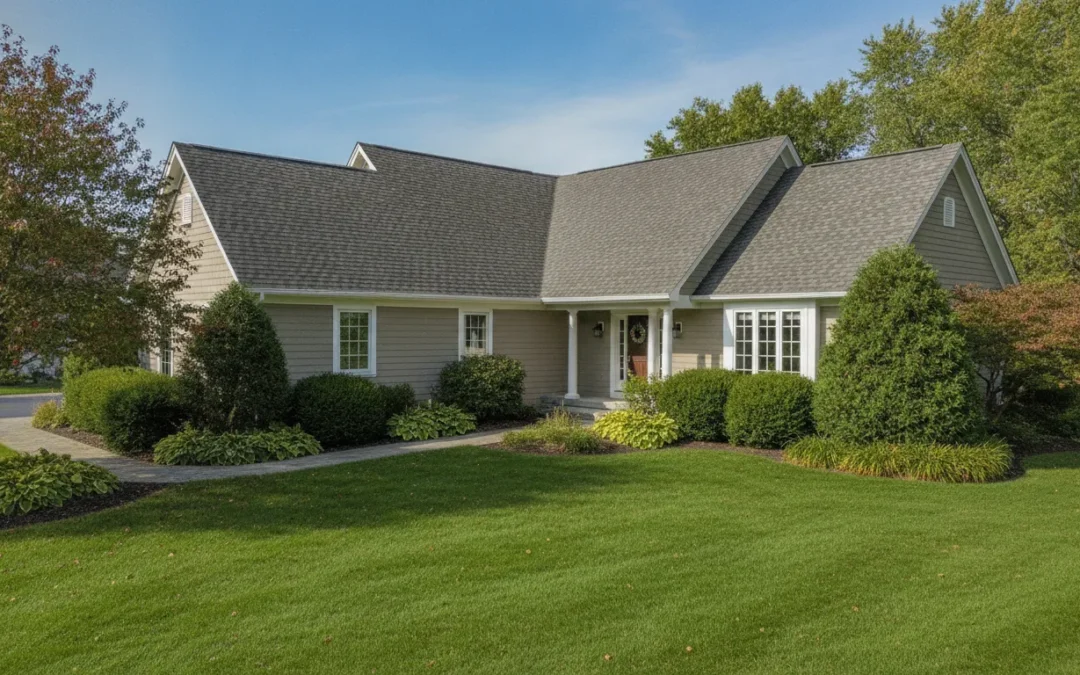
Quick answer: Roof life in Michigan depends on material, installation, ventilation, maintenance, and weather exposure.
A new roof in Michigan does not have one fixed expiration date. The material, installation quality, attic ventilation, maintenance, and exposure to winter weather all shape how long the roof performs.
In general, how long does a new roof last in michigan? Most asphalt shingle roofs last about 15 to 20 years, while architectural shingles may last 20 to 30 years under suitable conditions. Those are planning ranges, not guarantees, and Michigan’s freeze-thaw cycles can shorten service life.
Choosing a climate-appropriate roofing system and having it installed correctly matters just as much as the label on the shingle package. The material comparison below explains what to expect from common roof types, along with the maintenance and weather factors that can move those ranges up or down.
Call Signature Home Pros at (810) 270-5922 for a no-pressure roof inspection.
How Long Does a New Roof Last by Material in Michigan?
Roofing material gives you a useful starting point for estimating service life, but it isn’t a promise. In Michigan, the result also depends on installation quality, attic ventilation, weather exposure, roof design, and maintenance. A well-installed roof with good airflow and regular inspections may perform near the upper end of its range. Repeated storm damage or moisture problems can shorten that timeline.
The following ranges are practical estimates for common residential roofing systems. They can help you compare options, but a roofing professional should evaluate the specific home, existing structure, and site conditions before you make a decision.
| Roofing material. | Typical estimated lifespan. | What can affect the result. |
|---|---|---|
| Asphalt shingles. | About 15 to 20 years. | Shingle quality, installation, ventilation, maintenance, and weather exposure. |
| Architectural shingles. | About 20 to 30 years. | Product quality, installation details, airflow, and exposure to snow, wind, and temperature swings. |
| Metal roofing. | About 40 to 70 years. | Panel and coating quality, fastening, detailing, drainage, and maintenance. |
| Cedar shake. | About 20 to 30 years. | Moisture management, ventilation, upkeep, sunlight, and installation quality. |
| Flat roofing, including EPDM, TPO, or PVC. | About 20 to 30 years. | Membrane selection, seams, drainage, flashing, installation, and inspections. |
Asphalt shingles remain a common choice, with many Michigan roofs estimated at 15 to 20 years. Architectural shingles are generally estimated at 20 to 30 years, while cedar shake roofs are often placed in a similar range. Metal roofing may offer a longer service life, commonly estimated at 40 to 70 years. Flat systems such as EPDM, TPO, and PVC are typically estimated at 20 to 30 years. These figures come from published roofing guidance and should be treated as ranges, not guarantees. Sources: Michigan asphalt shingle lifespan guidance and roof material lifespan guidance.
Material choice affects more than the replacement date. It can also change maintenance needs and the roof’s overall lifecycle cost. Climate-appropriate materials are an important part of long-term performance, as the U.S. Forest Service notes in its guidance on selecting roofing materials for local conditions. Learn more about climate-appropriate roofing materials.
For a Michigan homeowner, the best comparison is not simply the longest number in the table. Consider how each system fits your roof’s slope, ventilation, drainage, exposure, and maintenance plan. A careful installation and ongoing attention to small problems can matter just as much as the material label.
How Michigan Weather Affects Roof Longevity
Michigan weather puts a roof through more repeated stress than a mild, stable climate. Long winters, heavy snow, rapid temperature changes, and hot summer sun can all affect how long the system performs. That is why the answer to how long does a new roof last in Michigan depends on more than the shingle label. Material selection, installation quality, attic conditions, exposure, and maintenance all matter.
Freeze-thaw cycling is one of the biggest challenges. As temperatures move above and below freezing, roofing materials can expand and contract. Over time, those movements may contribute to premature wear, especially when an installation has weak details or existing moisture intrusion. Research on roofing membranes connects thermal shock resistance with service life, reinforcing the importance of selecting a system suited to local conditions. Learn more about thermal shock and roofing service life.
Snow, ice dams, and moisture at the roof edge
Lake-effect snow creates additional demands for roof loading and water shedding. A roof needs the right design, materials, and installation details to manage that combination of snow and meltwater. Ice dams are another concern. When attic insulation or ventilation is inadequate, heat can escape into the roof space. That heat can melt snow higher on the roof. Water may then refreeze near the colder eaves. That buildup can damage the roof edge and contribute to leaks.
Ice and water shield membranes are an important protective detail in cold climates, particularly along vulnerable eaves and valleys. Proper installation matters, because a membrane cannot compensate for poorly integrated flashing or other roofing defects. Climate-appropriate material selection is also part of building a roof system that can handle local weather rather than simply choosing a product based on its advertised lifespan.
Summer heat and year-round ventilation
Michigan roofs do not only age in winter. Summer heat and sun add another round of thermal stress, and the repeated seasonal swings can accelerate wear in shingles and roofing components. A balanced attic ventilation system helps manage heat and moisture, while adequate insulation reduces the temperature difference between the living space and roof assembly. Good ventilation also helps reduce conditions associated with ice dams during winter.
Annual inspections, plus an inspection after severe weather, can catch loose or damaged materials before a small issue becomes broader roof damage. A qualified professional can evaluate the full system, including shingles, underlayment, flashing, ventilation, and drainage, instead of judging longevity from one visible area.
When Should You Replace a Roof in Michigan?
Age is an important clue, but it is not the only reason to replace a roof. If an asphalt shingle roof is more than 20 years old, it is generally time to consider replacement planning, especially when several visible problems appear together. Typical service life depends on the material, installation quality, attic ventilation, weather exposure, and maintenance, so a calendar date cannot determine the answer by itself. Roof replacement planning should begin with an inspection that evaluates the whole roof system.
Signs that suggest age-related replacement planning
Look for patterns rather than a single imperfect shingle. Curling, cracking, or missing shingles are common visual signs that a roof may need replacement. Widespread granule loss, brittle shingle surfaces, repeated leaks, or areas that look uneven can add to the concern. When deterioration is spread across multiple slopes, repairs may only delay the larger decision. The same is true when an older roof has already needed several repairs in different locations.
Flashing deserves particular attention. Flashing around chimneys, skylights, and vents is often a first point of failure on a residential roof. And a leak in one of those areas does not automatically mean the entire roof has failed. However, recurring leaks combined with aging shingles, damaged decking, or moisture in the attic deserve a broader evaluation. The goal is to identify whether the problem is localized or evidence that the roof system is losing its ability to protect the home.
When storm damage may be repairable
A recent wind or hail event can create isolated damage on an otherwise serviceable roof. A small number of missing or damaged shingles, a lifted flashing detail, or a single puncture may be repairable when the surrounding materials remain sound. Regular inspections after severe weather can identify minor damage before it develops into major roof failure. Have the area inspected promptly, even if the leak has not reached the living space yet.
Replacement becomes more likely when storm damage is widespread, the shingles are already near the end of their expected life, or repairs cannot restore reliable water shedding. Michigan’s freeze-thaw cycles and temperature swings can accelerate wear, so a roof that looks acceptable from the ground may still have vulnerable details. An honest inspection should explain what is damaged, what can be repaired, and whether replacement is a near-term need or simply something to budget for. That practical distinction matters more than a generic lifespan estimate.
How CertainTeed Warranties Protect Your Roofing Investment
A roofing warranty is useful protection, but it isn’t a substitute for sound installation and ongoing care. Homeowners should first distinguish between the material warranty offered by the shingle manufacturer and the workmanship coverage provided by the contractor. The material warranty generally relates to the roofing product itself, while workmanship terms relate to how the roof system was installed. The exact terms, eligibility requirements, limitations, and exclusions depend on the products selected and the written warranty documents for the project.
That distinction matters when you’re evaluating how long does a new roof last in Michigan. A warranty period should not be treated as a promised service life. Michigan’s freeze-thaw cycles, winter weather, ventilation conditions, installation quality, and maintenance all affect performance. Industry guidance notes that professional installation is essential for achieving a manufacturer’s stated lifespan, and that proper attic ventilation is necessary for maintaining manufacturer warranties. See the source on roof lifespan and ventilation for installation guidance.
What to keep with your warranty records
Keep the final contract, product information, warranty documents, inspection notes, and invoices together. Ask which CertainTeed products are being installed, what warranty applies to each product, whether registration is required, and which party is responsible for submitting it. Also ask what maintenance is expected and what conditions could affect coverage. Do not rely on a verbal summary when the written manufacturer and contractor documents are available.
Ventilation deserves particular attention. An attic that is poorly insulated or ventilated can contribute to ice dams, which damage the roof edge and reduce roof life. A complete roofing evaluation should therefore consider intake and exhaust ventilation, underlayment, flashing, and code-compliant installation, not just the visible shingles. Roofing materials also need to meet local building codes for safe performance in Michigan’s climate. Sources: attic ventilation and warranty guidance and installation and code guidance.
Why certification is relevant
Signature Home Pros is a CertainTeed SELECT ShingleMaster certified contractor. That certification is a helpful trust signal because it shows the company has completed CertainTeed’s contractor qualification process. It does not, by itself, guarantee a particular result or mean every project receives identical warranty terms. Your specific coverage still depends on the selected products, the installation, the project documentation, and the written terms that apply to your home.
How Can You Extend the Life of a Michigan Roof?
A Michigan roof has to manage snow, ice, wind, moisture, and repeated temperature changes. A consistent maintenance routine cannot stop normal aging. But it can help you catch small problems before they become expensive damage and support the service life you should reasonably expect from your roofing material.
Keep the attic dry and well ventilated
Ask a roofing professional to evaluate attic ventilation and insulation as part of your maintenance plan. Poor airflow and insulation can contribute to ice dam formation, which allows meltwater to collect along the roof edge and damage shingles, decking, and interior finishes. Proper attic ventilation is also one of the factors that can help extend a roof’s life in Michigan. Learn more about Michigan roofing services if you need help evaluating the complete roof system.
Inspect after severe weather
Schedule a roof inspection after a major windstorm, heavy snowfall, or other severe weather event. A professional can look for lifted or missing shingles, exposed areas, damaged flashing, and moisture entry that may not be visible from the ground. Regular inspections after severe weather can identify minor damage before it develops into a larger roof failure. Avoid climbing onto the roof yourself, especially when surfaces are wet, icy, or steep.
Watch the details that keep water out
Flashing around chimneys, skylights, and vents is a common point of failure, so these areas deserve specific attention during an inspection. When a roof is installed or repaired, high-quality underlayment provides a second line of defense against moisture. In Michigan’s cold climate, properly installed ice and water shield is also an important part of protecting vulnerable areas from ice dams and wind-driven water.
Keep gutters and roof edges clear
Clear leaves, twigs, and other debris from gutters regularly, particularly before winter. Clogged gutters can cause water to back up at the roof edge, where it may damage the eaves and shingles. Make sure downspouts discharge water away from the foundation, and ask for professional help if you notice sagging gutters, persistent overflow, or staining below the roofline.
Finally, keep records of inspections, repairs, and the original installation details. That history makes it easier to spot changes over time and decide whether a repair is appropriate or whether replacement planning makes more sense.
When Is It Time to Plan for Roof Replacement?
Roof replacement planning usually starts before an active leak forces a decision. If an asphalt shingle roof is more than 20 years old, it is generally time to consider replacement, but age alone does not determine the right next step. Material type, installation quality, attic ventilation, maintenance, and Michigan weather all affect how much useful life remains. An inspection can give you a clearer answer while you still have time to compare options.
Start with an inspection, not a guess
Ask a qualified roofing professional to evaluate the shingles, flashing, roof edges, valleys, penetrations, and attic conditions. Curling, cracking, or missing shingles can indicate that a roof is nearing the end of its service life, but similar symptoms can sometimes be addressed with targeted repairs. An inspection helps distinguish isolated damage from widespread aging, moisture intrusion, or installation issues that make replacement the more practical choice. After severe weather, an inspection can also identify minor damage before it develops into a larger failure. Regular professional inspections can help identify roof damage early.
Give yourself time to plan
Planning early is especially helpful when your roof is approaching its expected service range or has already needed repeated repairs. You can schedule work during a suitable season, review material choices, and address ventilation or drainage concerns as part of the project instead of reacting during an emergency. Michigan roof installation costs vary widely based on material, roof pitch, size, access, and project complexity. So a site-specific evaluation is more useful than relying on a generic price range. For an overview of the factors that affect your options, review Signature Home Pros’ Michigan roofing services.
A new roof is a significant home improvement investment. It may also support home value and energy efficiency, although the results depend on the roof system and the home itself. Roof replacement can improve home value and energy efficiency, but those benefits should be considered alongside the condition of your existing roof, not used as a promise of a specific return.
If you are unsure whether your roof needs repair or replacement, schedule a no-pressure roof inspection. An informed evaluation can help you understand the condition of the roof, plan a realistic budget, and make a decision before a small problem becomes an urgent one.
Schedule your no-pressure Michigan roof inspection with Signature Home Pros.
Frequently Asked Questions
How long does a new roof last in Michigan?
A new roof may last about 15 to 30 years, depending on the material, installation quality, attic ventilation, weather exposure, and maintenance. Asphalt shingles commonly last 15 to 20 years in Michigan, while architectural shingles are often estimated at 20 to 30 years. These are planning ranges, not guarantees. Roof lifespan guidance for Michigan supports evaluating the full roof system rather than relying on age alone.
What factors affect roof lifespan in Michigan?
Michigan’s freeze-thaw cycles, lake-effect snow, ice dams, summer heat, roof exposure, and ventilation all affect how quickly a roof wears. Installation details matter too, including underlayment, flashing, and materials selected for a cold, snowy climate. Keeping gutters clear and arranging inspections after severe weather can help identify small problems before they become larger failures.
Does Michigan weather affect roof longevity?
Yes. Temperature swings can make shingles expand and contract, while snow and ice can stress the roof and complicate water shedding. Poor attic insulation or ventilation can also contribute to ice dams that damage roof edges. Proper climate-appropriate material selection and installation are important for long-term performance, as the U.S. Forest Service explains.
When should I replace my roof in Michigan?
Start planning an inspection when an asphalt roof approaches 20 years, or sooner if you see curling, cracking, missing shingles, leaks, damaged flashing, or recurring storm damage. A professional can determine whether targeted repairs are reasonable or whether replacement is the better long-term option. Timing the decision before active leaks spread can make the project easier to plan.
Schedule Your Michigan Roof Inspection
If you’re unsure whether your roof needs routine maintenance, a repair, or replacement planning, an inspection can help you understand its current condition and next steps. Schedule a no-pressure roof inspection or estimate with Signature Home Pros to talk through your options with a local roofing team. You can get practical guidance based on your roof’s age, materials, weather exposure, and visible condition. Call (810) 270-5922.
Recent Comments