
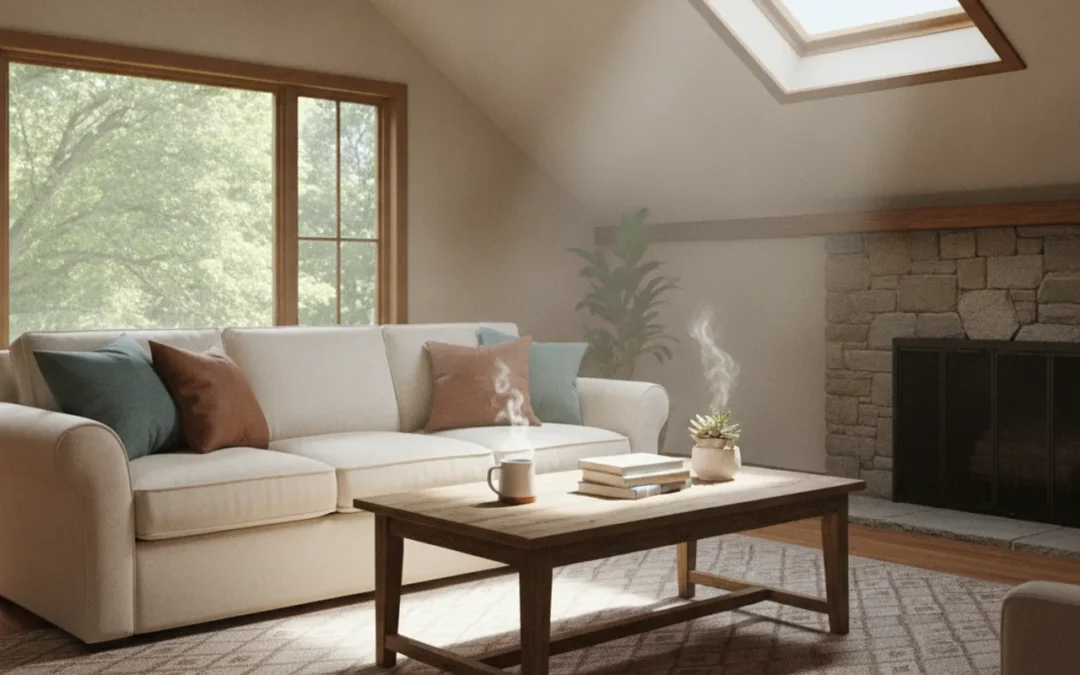
For skylight installation in Flushing, MI, start by matching the skylight to the room, roof structure, and existing roof covering, not by choosing a size from a catalog alone. A useful estimate should consider where light will fall, how the roof meets the skylight, and how the interior opening will be finished. A professional assessment can help you compare those choices before committing to roof work.
A skylight changes both the inside of a room and the roof above it. The right plan looks at the whole assembly: the skylight product, roof slope and material, flashing details, insulation, and interior finish. In Flushing and across Mid-Michigan, a homeowner should also consider seasonal weather, roof condition, and whether the space needs daylight, ventilation, or both.
Signature Home Pros serves central Michigan homeowners and offers Velux skylights as part of its roofing services. The company is family-owned and has more than 20 years of experience. This guide explains the decisions to discuss, how to compare options, and what to ask before scheduling a consultation. For an overview of roofing work, visit the Signature Home Pros roofing page.
What Should You Decide Before Skylight Installation?
Begin with the reason you want a skylight. Is a hallway dim during the day? Does a finished attic feel enclosed? Would fresh air help in a room that is difficult to ventilate? A clear goal helps narrow the product type and location. It also gives the contractor a practical way to assess whether a skylight is a suitable solution for that room.
- Daylight: Identify the area you want to brighten and the time of day when light matters most.
- Ventilation: Decide whether an opening skylight is important or whether a fixed unit meets your goal.
- Comfort: Consider how direct sun, glare, privacy, and room temperature may affect the space.
- Appearance: Think about how the skylight will look from inside and whether the interior shaft can be finished cleanly.
Walk through the room and note furniture, screens, and nearby windows. A bright patch of sun may land differently from what you expect, and an opening placed over a bed, television, or work surface may create glare at certain times. These are planning questions rather than reasons to rule out a skylight. They help make the proposed location more specific.
Where Should a Skylight Go?
The best location depends on the room below and the roof above. From inside, consider the part of the room that needs light and how the opening will relate to walls, ceiling features, and furnishings. From outside, the contractor needs to assess the available roof area, pitch, roofing material, and obstacles around the proposed opening. A location that looks ideal on a room sketch may not be practical on the roof.
Ask how the proposed location affects the interior light shaft, sometimes called a light well. The shaft connects the ceiling opening to the roof opening. Its shape and finish influence how the skylight relates to the room. A straight shaft and an angled shaft can create different visual effects, and the ceiling layout may limit what is possible. Ask for a clear explanation of what will be visible from inside and what interior finishing is included in the estimate.
Do not choose placement by roof orientation alone. Sun exposure, shade from nearby trees, room use, and the roof layout all matter. A contractor can explain the practical tradeoffs for the specific home. The U.S. Department of Energy provides broader home energy information for homeowners considering changes that affect daylight and household comfort; use a project-specific assessment for decisions about your particular roof and room.
Fixed or Venting: Which Skylight Type Fits?
A fixed skylight is designed to bring in daylight without opening. A venting model can be opened to allow air exchange. Some models are operated manually, while others use powered controls; product options vary. Neither type is automatically right for every room. The best choice depends on what the room needs and whether the added operating features are useful to you.
| Option | May suit | Discuss before choosing |
|---|---|---|
| Fixed skylight | A room where daylight is the main goal and opening the unit is not needed. | Product fit, glazing choices, placement, roof details, and interior finish. |
| Venting skylight | A room where the homeowner also wants the option to release warm or stale air. | How it opens, control type, access, weather exposure, and how the unit will be maintained. |
| Manual operation | A location where the controls can be reached comfortably. | Whether the opening is safely accessible and practical for everyday use. |
| Powered operation | A location where a remote or powered control is preferred. | Available product configuration, electrical requirements, controls, and any added scope. |
Use the table to guide a conversation, not as a substitute for product specifications. Ask what is available for your roof and what each option changes about the installation. If ventilation is the priority, explain how often you expect to open the unit and whether you can reach its controls. If daylight is the only goal, ask whether a fixed model could meet it without features you do not need.
How Does the Existing Roof Affect Skylight Installation?
A skylight opening has to work with the roof covering and its condition. Shingles, roof pitch, age, and the proposed location influence the details the installer must evaluate. Existing wear near the work area matters, too. If the roof is already approaching replacement, discuss whether it makes sense to coordinate the projects rather than disturb a roof that may soon need broader work.
Ask the contractor to explain how the skylight will be integrated with the roof covering and what flashing system is specified. Flashing directs water around the roof opening; its suitability and installation details are central questions for any skylight project. Avoid accepting a vague description such as “we will seal it.” Ask what product and scope are proposed, how they suit the roof, and what the written estimate says about the work.
Roof condition is one reason a skylight project should not be treated as a simple interior upgrade. If you are also weighing broader roof work, compare the proposed skylight scope with the guidance in this roof replacement service overview and the homeowner article on planning a roof replacement. Those pages address roof decisions more broadly; an on-site assessment is needed to determine what your skylight project requires.
What Should a Skylight Estimate Include?
Ask for a written estimate that describes the work in plain language. It should let you understand which product is proposed, where it will go, and which parts of the project are included. The exact scope depends on the house, so do not assume every estimate covers the same items.
- Product details: Manufacturer, model or product line, size, fixed or venting operation, and relevant options.
- Location: The intended roof placement and how it relates to the room below.
- Roof integration: The stated flashing approach and how it will coordinate with the roof material.
- Interior scope: Whether the light shaft, trim, drywall, paint, or other interior finishing is included or excluded.
- Related roof work: Any repair or replacement work the estimate identifies as necessary around the opening.
- Project terms: What is included, what is not, how changes are handled, and what product or workmanship documentation applies.
Ask the contractor to distinguish confirmed work from items that depend on conditions found after the project begins. That makes it easier to compare estimates fairly. If one proposal includes interior finishing and another does not, their totals do not represent the same scope. Do not rely on a verbal assumption where a written description can prevent confusion.
How Can You Compare Skylight Contractors?
Compare the clarity of the plan as well as the product. A useful discussion should connect your goal for the room to the proposed placement and roof details. The contractor should be willing to explain what is known, what needs inspection, and which choices are yours to make. A no-pressure conversation gives you room to ask questions and consider the options.
- Describe the room and goal. Explain whether you want daylight, ventilation, or both, and point out any concerns about glare or privacy.
- Ask how roof fit will be evaluated. Discuss the roof covering, slope, age, and the location being considered.
- Review the product and installation scope. Confirm what is included inside and outside the home.
- Compare written proposals. Look for differences in model, operation, flashing, interior finishing, and exclusions, not only the bottom line.
- Get answers before authorizing work. Clarify unanswered questions and make sure changes to the scope are documented.
For a broader roof project, you can also review the company’s guide to roofing materials for Michigan homes and information about how roof lifespan is affected by project choices. These are background resources; they do not replace a site-specific skylight assessment.
How Should You Think About Light, Comfort, and Privacy?
More daylight can change how a room feels, but a skylight should be planned for the way you use that room. If it is a bedroom, consider whether early daylight is welcome or whether a shade option matters. In a home office, think about glare on a monitor and how the light moves during the hours you work. In a hallway, the main goal may simply be to make the space feel less enclosed. Describe the actual use of the room during the estimate rather than asking only for a particular product size.
Ask which glazing, shade, or accessory options are available for the product being considered and what each option is intended to do. Product features vary, and a feature that sounds useful may not be offered in every configuration. Get the exact product information in writing so you can compare it with another proposal. If privacy is a concern, discuss whether the skylight placement and available coverings address it without compromising the goal of bringing light into the room.
Comfort is also a reason to consider the roof and interior together. The opening, shaft, product, and surrounding finish are all part of the discussion. Avoid assuming a skylight will solve every issue in a room, or that the same setup will perform identically in every home. Ask what the contractor can confirm from the inspection and which expectations depend on the final product and placement.
What Questions Should You Ask at the Consultation?
Bring a short list so the conversation covers both what you want and what the roof requires. These questions can help:
- Which skylight type and product do you recommend for this room, and why?
- What other locations are possible, and what are the tradeoffs?
- How will the proposed unit work with the roof pitch and existing roof material?
- What flashing system and related roof work are included in the estimate?
- Will you finish the interior shaft and trim, or is that separate?
- How will you explain any additional work if concealed conditions are found?
- What product documentation and written project terms will I receive?
- What should I do to prepare the room before the scheduled work?
A straightforward answer may include a limitation. For example, the contractor may need to inspect the roof before confirming a location or final scope. That is more useful than a promise made without seeing the conditions. Ask for the next step and when the details will be confirmed.
When Should You Coordinate Skylight Work With Roof Replacement?
If the roof covering is worn or you are already planning a roof replacement, raise the skylight question early. Coordinating the decisions may help avoid planning the same area twice, but whether it is practical depends on the roof and project timing. An installer should assess the actual roof rather than assume that a new skylight can be added at any point without affecting the surrounding work.
If the roof is in good condition, a skylight may be considered as a separate project, subject to an assessment of the proposed opening and surrounding materials. If the roof needs broader work, compare both scopes and ask how each option affects sequencing and the finished result. Signature Home Pros’ roofing team works with Velux skylights; details for a particular home should be confirmed during an estimate.
Schedule an Appointment to Discuss Your Skylight Project
Frequently Asked Questions
Can a skylight be installed on any roof?
Not every location is suitable. Roof slope, structure, roofing material, available space, and the room layout all affect the plan. A contractor needs to assess the specific roof before confirming whether and where a skylight can be installed.
Is a fixed skylight better than a venting skylight?
It depends on your goal. A fixed unit provides daylight without opening, while a venting model adds an option for air exchange. Discuss room use, access to the controls, product choices, and the installation scope before deciding.
Will installing a skylight make a room brighter?
A skylight is intended to bring daylight into the room, but the result depends on placement, the size and shape of the opening, the shaft, roof conditions, and surrounding shade. Ask the contractor to discuss the proposed location and realistic expectations for your particular room.
Can I add a skylight when replacing my roof?
It may be possible, but the roof and proposed location need to be assessed. Tell the contractor early so the estimate can describe the skylight, roof integration, and any interior work rather than treating the decisions as unrelated.
Does Signature Home Pros install skylights in Flushing?
Signature Home Pros lists Velux skylights among its roofing services and serves central Michigan homeowners. Contact the company to confirm service availability and discuss the needs of your home.
Ready to Plan a Skylight in Flushing?
A good skylight plan starts with the room you want to improve and the roof conditions that will shape the work. Compare fixed and venting options, confirm the proposed location, and ask for a written scope covering both roof integration and interior finishing. Signature Home Pros offers a no-pressure estimate so you can discuss the project and its requirements before deciding.
Contact Signature Home Pros to request a free estimate.
With a clear goal and a carefully reviewed scope, you can decide whether a skylight is the right fit for your Flushing home.
Recent Comments