
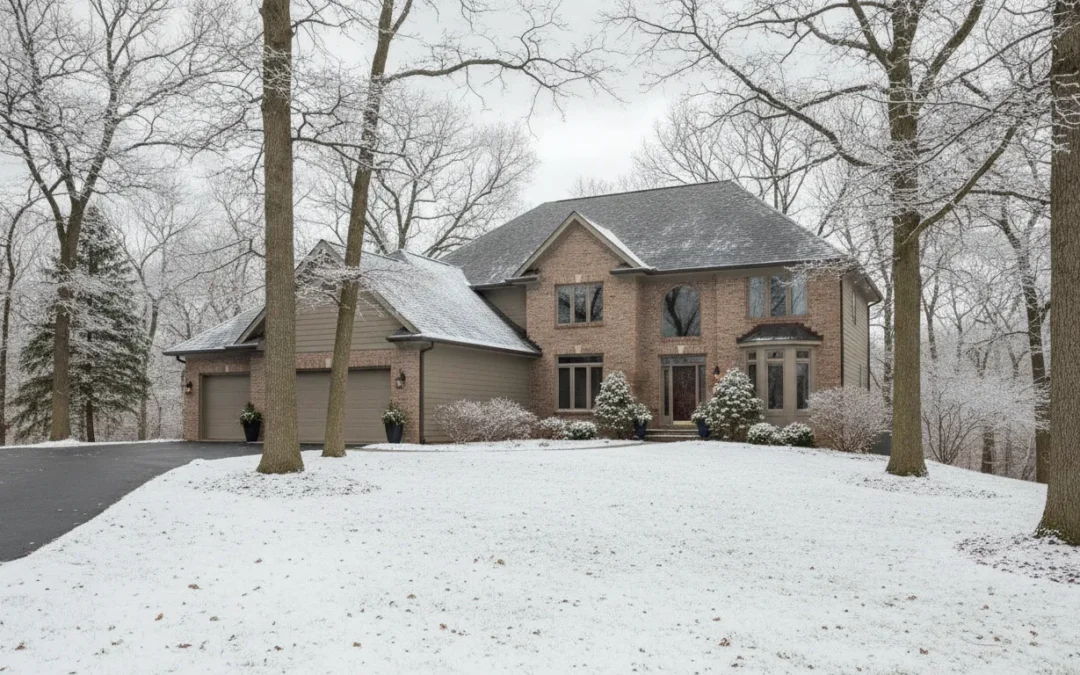
Michigan winters put every part of a gutter system to work. Falling leaves can clog channels before the first freeze, while snow, ice, and repeated freeze-thaw cycles can expose problems with slope, drainage, or roof-edge installation.
The best gutter guards michigan winters can challenge depend on your roof pitch, gutter condition, debris, and downspout layout. A properly fitted guard can reduce debris and cleaning, but no design eliminates every maintenance need or fixes insulation, ventilation, or ice-dam problems. The right choice is the one that works with the entire water-management system, not simply the product with the most appealing description.
Before comparing micro-mesh, solid-surface, foam, and brush designs, it helps to understand why Michigan weather makes correct water flow so important. This Michigan gutter installation guide provides helpful system context, and the next section explains where gutter guards can make a practical difference.
Call Signature Home Pros at (810) 270-5922 for a free, no-pressure gutter estimate.
Why Gutter Guards Matter in Michigan
Michigan homes face a mix of conditions that can make gutter maintenance especially frustrating. Leaves and other debris can collect in open gutters during fall, while snow, ice, and repeated freeze-thaw cycles add seasonal stress to the roof edge and drainage system. When debris blocks the flow of water, melting snow and rain may not reach the downspouts as intended. That is why many homeowners consider gutter guards as part of a broader plan for managing water around the house.
Reducing debris and routine maintenance
A properly selected guard can limit how much leaves and larger debris enter the gutter channel. This may reduce the frequency of gutter cleaning, particularly for homes near mature trees. It does not make the system maintenance-free. Fine particles can still collect on top of or beneath some guard designs, and homeowners may still need to inspect the gutters, roof edge, fasteners, and downspouts. Snow, wind, nearby trees, roof shape, and the type of debris on a property all affect how much maintenance remains.
For Michigan homeowners, the goal is not to find a product that promises to eliminate every winter problem. The goal is to choose protection that fits the existing gutter system and keeps water moving during changing weather. The Michigan gutter installation guide provides additional context on gutter slope, downspout placement, and seasonal drainage considerations.
Protecting foundations and landscaping
Gutters and downspouts help direct roof runoff away from the home. Keeping that water moving can help reduce uncontrolled discharge near the foundation and protect landscaping from concentrated, repeated runoff. A guard supports that work by helping keep debris from creating blockages, but it cannot correct every drainage issue. Poor slope, undersized downspouts, damaged gutters, loose attachments, or an inadequate discharge location may still cause problems even when guards are installed.
Important limits in snow and ice
Gutter guards are one part of a water-management system, not a solution for roof ventilation or insulation problems. They also cannot guarantee that ice dams will never form. Ice-related concerns may involve heat loss, roof design, ventilation, insulation, snow movement, and drainage conditions. A careful evaluation should consider the roof and gutter system together before selecting a guard. That approach helps Michigan homeowners reduce avoidable maintenance while keeping expectations realistic through winter weather.
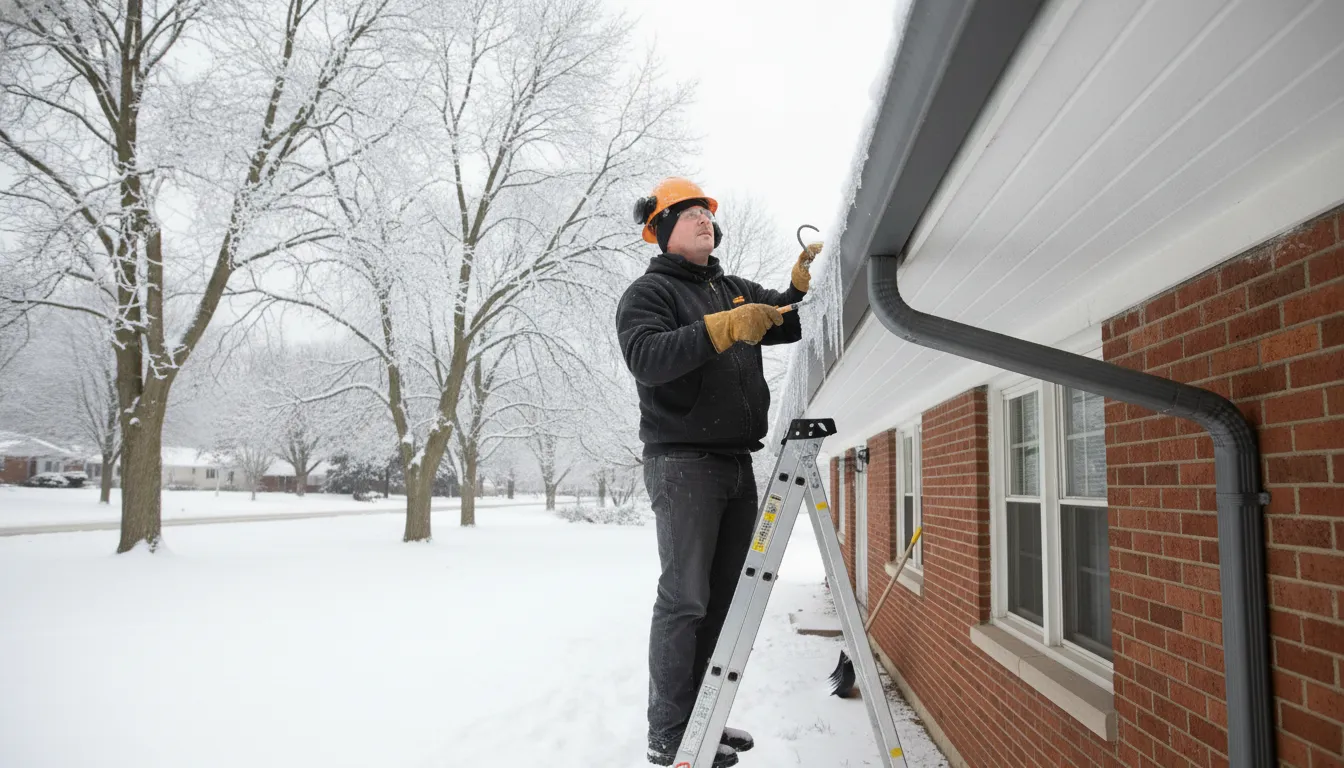
Types of Gutter Guards: Mesh, Reverse Curve, Foam, Brush
Gutter guards use different approaches to keep leaves and other debris out of the channel while allowing rainwater to enter. The main choices are micro-mesh, reverse-curve or solid-surface covers, foam inserts, and brush-style inserts. Each design handles debris, snow, ice, and cleaning differently. The right fit depends on the roof edge, gutter condition, pitch, downspout capacity, nearby trees, and the type of debris around the home.
| Guard type | How it filters debris | Winter and maintenance considerations | Potential limitations |
|---|---|---|---|
| Micro-mesh | A fine screen allows water through while blocking many leaves and smaller roof debris. | Fine material can require inspection and cleaning when pollen, roof grit, or sticky debris collects. Snow and ice behavior depends on the roof edge, pitch, attachment, and local conditions. | Installation must match the gutter and roof edge. A screen does not correct poor slope, undersized downspouts, or a damaged gutter. |
| Reverse-curve or solid-surface | A shaped surface directs water around a curved edge while larger debris falls away. | The exposed surface may shed some debris, but it still needs inspection. Snow slides, roof avalanches, and freeze-thaw movement can affect how the system performs. | Water entry depends on the surface angle and flow. It may not be suitable for every roof edge, gutter profile, or heavy-debris setting. |
| Foam | Porous foam fills the gutter and lets water pass through while holding back larger debris. | Foam can collect organic material on or within its surface. It should be checked and cleaned as needed rather than treated as maintenance-free. | Fine roof particles, moss, and persistent moisture can affect the insert. Fit and water flow vary with gutter shape and condition. |
| Brush | Flexible bristles sit inside the gutter and catch leaves above the channel while water moves between them. | Leaves and needles can rest on top of the bristles, so seasonal clearing may still be necessary. Snow and ice can add weight or change how debris moves. | Small debris may work into the bristles, and the insert may not suit every gutter size or roof drainage pattern. |
Debris filtering is only part of the decision
A guard that blocks leaves but restricts water flow during a heavy storm is not a complete solution. Micro-mesh may appeal to homeowners who want finer debris screening, while a solid-surface design may be considered where shedding larger debris is the priority. Foam and brush inserts can be simpler approaches, but their surfaces remain exposed to the material that falls from the roof. In all cases, plan for periodic inspection and cleaning.
Winter compatibility depends on the whole roof system
Michigan winters bring snow, ice, and repeated freeze-thaw movement. A gutter guard does not replace proper roof evaluation, insulation, ventilation, slope, or downspout planning. It also cannot promise to prevent every ice dam. Before choosing a design, check how it attaches at the roof edge, whether the existing gutters are sound, and whether water has a clear path to the downspouts. A professional inspection can identify compatibility problems before a guard is installed.
There is no universal winner among these four designs. The most useful comparison is the one that matches the home’s debris load, roof geometry, gutter condition, and expected maintenance access. A properly fitted system, installed to manufacturer specifications, can reduce debris entry and cleaning demands without creating unrealistic expectations about winter performance.
Choosing the Best Gutter Guards Michigan Winters Put to the Test
There is no single guard that is best for every Michigan home. The best gutter guards Michigan winters can handle are the ones matched to the roof pitch, gutter condition, debris load, and drainage layout. A product that performs well on one house may be a poor fit on another. Particularly when snow slides from a steep roof or ice repeatedly forms along the eaves.
Freeze-thaw movement is one of the biggest winter considerations. Water expands as it freezes, then moves again when temperatures rise. A guard and its attachment points need to remain secure through that movement without blocking the flow of meltwater. The gutter itself must also have adequate slope, sound fasteners, and enough capacity to carry runoff. If the trough is undersized, damaged, or poorly pitched, adding a cover will not correct the underlying drainage problem.
Snow sitting on the guard is not the same as a clog
Snow may rest on top of a guard during a storm. That does not automatically mean the system has failed, but it can delay meltwater from reaching the gutter. Solid-surface and mesh designs can behave differently depending on their slope, surface tension, installation angle, and the amount of debris beneath them. Ask how the selected system is expected to handle snow accumulation and whether the manufacturer specifies any maintenance after a major storm.
Roof avalanches create another concern. On a steep or metal roof, a large sheet of snow and ice can slide toward the eave with considerable force. A guard alone should not be treated as a snow-retention system. Roof geometry, snow guards where appropriate, and the condition of the gutter edge all deserve review before installation. A careful contractor should identify these risks rather than promise that a cover will prevent winter damage.
Drainage and the roof system still come first
Downspout capacity matters just as much as the guard surface. Meltwater needs a clear path away from the foundation, and downspouts should discharge safely without backing up at the outlet. If water is overflowing at the eave, the cause may be a blocked outlet, inadequate downspout capacity, poor grading, or a gutter that needs repair or replacement. These issues should be addressed before choosing a guard.
It is also important to separate gutter protection from ice-dam prevention. Ice dams can be related to heat escaping through the attic, inadequate insulation, ventilation problems, roof geometry, and weather conditions. A guard cannot repair those conditions. For more context, see our guide to preventing Michigan ice dams, and consult a professional about Michigan roofing services when roof or attic performance is part of the concern.
For a reliable winter recommendation, evaluate the complete water-management system rather than shopping for a cover in isolation. An inspection can clarify whether the home needs a guard, gutter repair, larger downspouts, improved roof drainage, or a combination of improvements. That conditional approach is more dependable than selecting a product based only on a broad winter label.

Gutter Guard Cost vs. Long-Term Savings
The value of a gutter guard is not measured only by its installation cost. It also depends on how often your gutters need cleaning, how difficult those cleanings are, and whether clogged or overflowing gutters have contributed to repairs. For a Michigan homeowner, the right question is usually whether the system fits the existing roof and gutters well enough to reduce maintenance without creating new drainage problems.
What affects the total cost?
Several site conditions can change the scope of a gutter-guard project. The condition of the gutters comes first. If sections are sagging, leaking, pulling away from the fascia, or holding standing water, adding a guard may not solve the underlying issue. Replacement or repair may be needed before any protection is installed. In some cases, a new gutter system provides a better foundation for long-term performance.
Access is another factor. A steep roof, multiple stories, complex rooflines, tight landscaping, or difficult downspout locations can require more setup and careful installation. The roof edge also matters because different attachment methods need to work with the shingles, drip edge, and fascia without interfering with water-shedding details. Debris type and volume affect the fit as well. A home surrounded by mature trees may need a different maintenance plan than a home with little nearby foliage.
Where savings can come from
When properly selected and installed, gutter protection can reduce the amount of leaves and other debris entering the troughs. That may reduce cleaning frequency and make the remaining maintenance more manageable. It can also help limit the overflow that contributes to wet soil near the foundation, erosion around landscaping, or staining on exterior surfaces. These potential benefits depend on correct slope, secure attachments, adequate downspouts, and clear discharge paths.
Long-term value can also come from avoiding preventable repairs. A gutter that stays clogged or overflows during repeated storms may place additional stress on hangers and fascia. However, a guard cannot eliminate all cleaning, prevent every ice dam, or correct roof ventilation, insulation, pitch, or drainage deficiencies. Michigan snow and freeze-thaw cycles still require periodic inspection.
Signature Home Pros explains that gutter installation estimates depend on the home’s measurements, materials, roof edge, access, and drainage needs. That installation context is not a universal price for gutter guards. Guard pricing should be quoted only after reviewing the home, existing gutters, roof edge, and access conditions. The company’s gutter material durability guidance can also help homeowners think through replacement choices before adding protection.
A careful estimate should explain what work is included, what maintenance remains, and whether gutter replacement should happen first. Comparing those details, rather than choosing the lowest initial number, gives you a clearer view of value over the life of the system.
What to Watch Out For When Buying Gutter Guards
A gutter guard is only useful when it fits the entire roof and drainage system. Before comparing screen openings or product claims, use this checklist to identify compatibility issues that can create overflow, trapped debris, or difficult maintenance during a Michigan winter.
1. Start with the condition of the gutters
Look for sagging runs, separated joints, rust, dents, loose fasteners, and standing water. A guard cannot correct a gutter that no longer holds its slope or drains reliably. If the existing system is damaged or undersized, repair or replacement may need to come before protection. Gutters should still be inspected and repaired regularly, even after a guard is installed. The goal is to reduce debris entry, not to hide a failing system.
2. Ask how the guard attaches
Attachment matters in freeze-thaw weather. Ask whether the system fastens to the fascia, roof edge, shingles, or the gutter itself, and whether installation could disturb roofing materials or interfere with flashing. Request the manufacturer’s installation requirements rather than relying on a general promise that the product fits most homes. The attachment should leave the gutter secure and preserve a clear path for water.
3. Check the roof edge and pitch
Roof pitch, drip-edge details, valleys, and areas where roof planes meet can change how water and snow reach the gutter. A steep roof may shed snow or ice onto a guard, while a complicated roofline may need different treatment from a straight eave. Significant icicles along the gutter or eaves can indicate an ice-damming problem, and a guard alone does not correct heat loss, insulation, or ventilation issues. Review preventing Michigan ice dams before treating a guard as an ice solution.
4. Match the design to your debris
Identify what actually lands on the roof: broad leaves, pine needles, seeds, small twigs, or shingle grit. A design that handles large leaves may still need attention when fine debris collects on its surface. Ask how the guard is cleaned and whether debris can be brushed away without removing sections.
5. Confirm downspout capacity
Guards cannot compensate for clogged elbows, poor discharge locations, or too few downspouts. Downspouts and elbows should remain clear so water can leave the gutter. Ask whether the proposed system includes a drainage review, especially around valleys and large roof areas.
6. Define the maintenance that remains
Be cautious of zero-maintenance language. Plan for inspections after major weather events, surface cleaning, and occasional checks for ice, debris, or shifted sections. Michigan homeowners should keep gutters and downspouts clear of snow and icicles through winter.
7. Read specifications and verify the fit
Request the exact product specifications, approved gutter dimensions, attachment details, snow and ice limitations, and warranty terms. Then have a professional evaluate the roof, gutters, and drainage together. A properly fitted system may be more valuable than a product chosen from a generic list. For installation-specific guidance, review seamless gutter installation in Michigan and ask for a clear, no-pressure recommendation based on your home.
Our Recommendation for Michigan Homeowners
For most Michigan homeowners, the right gutter-guard decision starts with an inspection rather than a product label. A guard can be useful, but its fit depends on the condition of the roof edge, the existing gutters. The type of debris around the home, the roof pitch, and the way water moves through the downspouts. Snow, ice, and freeze-thaw movement add more variables. A product that works well on one home may not be the right choice for another.
That is why we recommend evaluating the whole water-management system before choosing protection. An inspection should look for sagging or damaged gutter sections, loose fasteners, buildup at outlets. Undersized or poorly placed downspouts, and signs that runoff is landing too close to the foundation. It should also consider whether the roof edge and gutter profile can accept the proposed guard without creating new gaps or interfering with drainage. If the gutters are near the end of their service life, replacing them first may provide a better foundation for any guard system.
Signature Home Pros can assess the roof, gutters, and downspouts together, then explain which improvements make sense for the property. The company installs custom seamless aluminum gutters, which are fabricated on site for the home’s measurements. It follows manufacturer specifications and local building codes during installation. That process helps keep the recommendation grounded in the home’s actual layout instead of assuming that every Michigan roof and gutter system needs the same solution. You can learn more about seamless gutter installation in Michigan and the related water-management services available.
A careful recommendation should also be honest about maintenance. Gutter protection may reduce the amount of debris entering the channel, but it does not guarantee a maintenance-free system. Leaves, roof grit, snow, and ice can still affect performance, and the roof, insulation, ventilation, pitch, and drainage plan may require separate attention. The goal is a properly fitted system that supports reliable water movement and makes future maintenance more manageable. Not a promise that one guard will solve every winter problem.
Frequently Asked Questions
What type of gutter guard is best for Michigan winter use?
There is no single best design for every Michigan home. Micro-mesh, solid-surface, foam, and brush guards behave differently with leaves, snow, ice, roof pitch, and gutter condition. The right choice depends on the debris around your home, how water reaches the gutter, and whether the existing system can support the guard. An inspection and the manufacturer’s specifications can help determine the most suitable fit.
Are gutter guards effective in Michigan winters?
They can reduce the amount of leaves and other debris that enter the gutters, which may reduce clogs and routine cleaning. They cannot prevent every winter problem. Heavy snow, roof avalanches, freeze-thaw movement, poor drainage, and ice dams can still affect performance. Gutter guards also do not correct roof ventilation or insulation issues.
Do gutters still need to be cleaned after guards are installed?
Usually, yes. Guards may reduce the frequency and amount of cleaning, but small debris can collect on the guard or move through openings. Gutters, downspouts, roof edges, and the guard surface should still be checked periodically, especially after fall leaf drop and severe winter weather. Follow the product’s maintenance guidance and use safe access practices.
Are gutter guards worth it for a Michigan home?
They may be worthwhile when they fit the roof and gutter system, reduce difficult maintenance, and support reliable water flow. Value depends on your tree cover, roof height, gutter condition, drainage needs, and how often cleaning is otherwise required. If the gutters need repair or replacement first, address that condition before choosing a guard. A professional inspection can help compare the expected maintenance reduction with the installation work.
Schedule a Gutter Inspection for Your Michigan Home
Call Signature Home Pros at (810) 270-5922 for a free, no-pressure gutter estimate or inspection.
The right gutter guard depends on your roof edge, existing gutters, downspouts, and how winter weather moves water around your home. A no-pressure inspection can help you understand which protection fits your system and what maintenance may still be needed. Their team can review your roof, gutters, downspouts, and winter drainage needs before you decide on the next step.
Recent Comments