
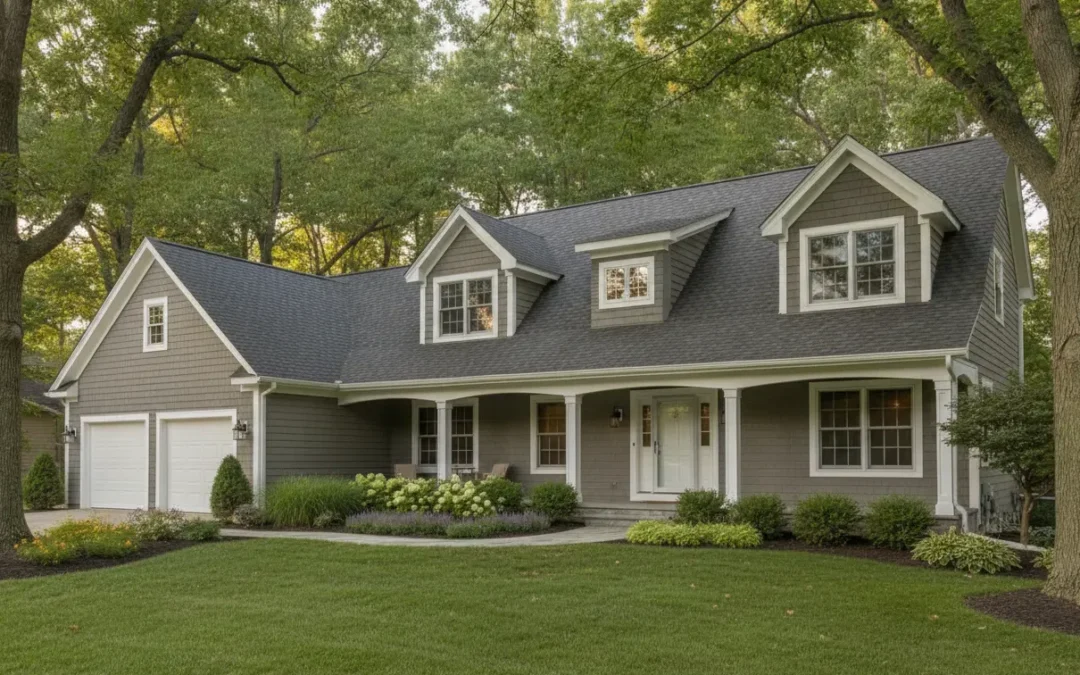
For Michigan homeowners, siding color resale value Michigan homeowners care about starts with the first impression your exterior creates. The siding works with the roof, trim, windows, brick, stone, landscaping, and changing seasonal light. That combination shapes curb appeal today and influences how easily a future buyer can picture the home as their own.
Schedule a siding color consultation with Signature Home Pros.
The most resale-friendly choice is not one universal color. It is a well-maintained exterior with a coordinated palette that fits the home’s architecture and feels appropriate for its neighborhood. This guide explains how siding color can influence perceived value, which color families tend to have broad appeal, what to avoid, and how to test a choice before ordering materials. For a wider look at siding materials, costs, and savings, start with our Michigan siding replacement guide.
How Siding Color Resale Value in Michigan Is Really Shaped
Siding color can affect resale value indirectly by influencing curb appeal, perceived maintenance, and how easily a buyer can imagine living in the home. Color alone does not guarantee a higher sale price, and it should not be treated as a substitute for sound siding, a dependable roof, or proper installation. A beautiful color on warped, cracked, or moisture-damaged panels still signals future work.
Exterior appearance matters because buyers often form an opinion before they see the inside. Listing photos, satellite views, drive-by impressions, and the approach to the front door all make the exterior part of the buying experience. Zillow’s overview of exterior upgrades notes that curb appeal can influence a home’s market appeal. The return on an improvement depends on the local market, the home’s condition, and the amount invested. Read its research on exterior home improvements and resale for broader context.
A practical way to think about siding color resale value in Michigan is risk reduction. A timeless, coordinated exterior gives buyers fewer reasons to imagine repainting or replacing it immediately. It also helps the home look cared for in listing images. That does not mean every house should be white, gray, or beige. It means the color should look intentional, fit the home, and have enough staying power that it will not feel dated next season.
Color is one part of the resale equation
Buyers also notice the siding material, panel condition, installation quality, roof age, windows, doors, gutters, and drainage around the foundation. A color refresh may be appropriate when the siding is sound and the palette is dated. Full replacement may make more sense when panels are loose, faded, cracked, warped, or allowing moisture behind the wall. Before choosing a palette, separate the cosmetic question from the performance question.
For independent real estate context, HomeLight’s guide to whether new siding increases home value also emphasizes that material, location, condition, and installation affect the result. Its advice is useful for understanding why a color recommendation should be part of a broader exterior plan rather than a promise of a fixed return.
Most Popular Siding Colors in Michigan Right Now
Michigan homes sit in a wide range of neighborhoods and architectural styles, from older city homes with brick details to newer suburban houses with modern rooflines. Popular colors tend to be flexible rather than extreme. They coordinate with common roof colors and remain appealing in different seasons. They also leave room for a future buyer to add personality through the front door, shutters, landscaping, or porch furniture.
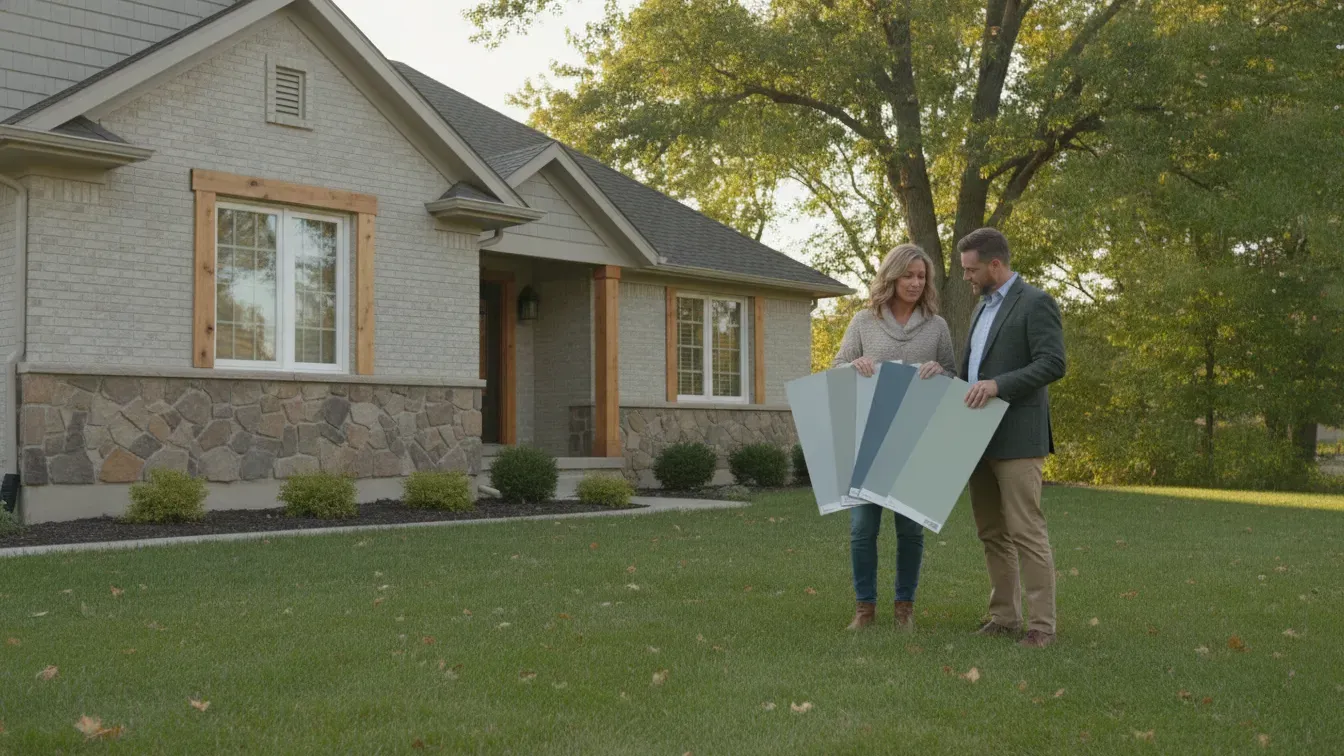
Warm gray and greige
Warm gray and greige sit between gray and beige. They can look modern without making a traditional home feel stark. These tones often work with charcoal, black, brown, or weathered wood roof colors. They also pair well with white, cream, bronze, and dark green accents.
Gray is not automatically the best choice. A cool gray can look blue in some light and flat against a cool roof. A warm gray may look tan next to a brick foundation. Always test the color beside the fixed materials on your home instead of judging a small sample in isolation.
Soft white and cream
White and cream can make a home look clean, bright, and established. They are especially useful when the architecture has strong trim, gables, porch details, or dark windows that deserve attention. Cream can soften a bright white palette and may coordinate more naturally with warm brick or stone.
Light colors also show dirt, pollen, splashback, and staining more readily. That does not rule them out, but it makes maintenance and the surrounding landscape part of the decision. A bright white exterior under dense trees may need more frequent cleaning to keep the intended impression.
Blue, blue-gray, and muted navy
Muted blue and blue-gray can give a home a calm, welcoming look, especially with white trim and a medium-gray roof. A deeper navy can work as an accent or on a house with enough architectural detail to keep the facade from looking heavy. In a resale-focused palette, softer versions are usually easier to coordinate than an intense saturated blue.
Use a large sample and view it on both the sunny and shaded sides of the house. A blue that looks balanced in a showroom may look much stronger under direct summer sun or much grayer beneath a cloudy winter sky.
Sage, olive, and other muted greens
Muted greens can complement trees, lawns, stone, and natural wood. Sage is often a useful middle ground because it adds character without creating the high-contrast effect of a very bright green. Olive and gray-green tones can be especially attractive on craftsman, cottage, and farmhouse-inspired exteriors.
Green should still be tested against the roof and permanent masonry. A green with too much yellow can fight a red brick foundation. A green with too much blue can look cold beside warm beige stone. The goal is not to follow a trend. It is to create a palette that looks connected to the lot and the structure.
Colors That Boost Curb Appeal in Midwest Neighborhoods
Resale appeal comes from the whole composition, not a single swatch. The most reliable approach is to select one dominant siding color, one trim color, and one restrained accent. The roof, masonry, and fixed window frames then act as constraints. This method keeps the exterior organized and prevents too many competing colors from making the home look smaller or less maintained.
A quick siding color selection checklist
- Identify the roof color and undertones before choosing siding.
- Photograph or sample the brick, stone, windows, and doors that will remain.
- Compare large physical samples in sun, shade, morning light, and winter-like overcast light.
- Choose one dominant siding color, one trim color, and one restrained accent.
- Check the palette from the street and in a typical listing photo.
- Consider cleaning and maintenance needs for the lot, trees, and exposure.
- Ask for installation and material guidance instead of treating color as a guaranteed return.
| Color family | Why it can work | What to check |
|---|---|---|
| Warm gray or greige. | Flexible with many roofs and trim colors. | May read tan or blue in different light. |
| White or cream. | Bright, classic, and highlights architecture. | Shows dirt and pollen more easily. |
| Muted blue. | Welcoming with white trim and gray roofs. | Deep shades can feel heavy on small facades. |
| Sage or olive. | Connects naturally with landscaping and stone. | Yellow or blue undertones may fight masonry. |
- Start with fixed materials. Note the roof, brick, stone, window frames, and garage door colors.
- Choose a siding family. Compare warm, cool, light, and dark options against those materials.
- Add trim and one accent. Use contrast to define the architecture without creating visual clutter.
- Review the exterior outdoors. Check large samples in sun, shade, morning light, and overcast conditions.
- Confirm the whole project. Pair the color decision with a review of siding condition, installation details, and maintenance.
Use the architecture as your guide
Traditional colonials often suit a calm siding field with crisp trim. Ranch homes can handle a lower-contrast palette that emphasizes horizontal lines. Craftsman homes may benefit from a grounded siding color paired with darker accents and natural stone or wood tones. A modern home may support a stronger contrast, but the color should still respect the roofline and surrounding homes.
Look at the parts you are not replacing first. If the roof is staying, begin there. Next consider brick, stone, window frames, garage doors, and the front door. Siding should connect these materials, not compete with them. The same color can look completely different depending on the permanent features around it.
Consider Michigan’s changing light
Michigan’s light changes dramatically from bright summer afternoons to gray winter days. Snow can reflect light onto lower siding and make pale colors appear brighter. Leaf cover can shift how green, brown, and gray tones read. A color that looks perfect on a digital rendering may not look the same on a north-facing wall.
View physical samples outdoors at different times of day. Put them near the roof, trim, and masonry. Step back far enough to see the relationship between the color and the full facade. If possible, leave the samples out overnight and check them again in morning light. This simple process can prevent an expensive choice based on one moment or one screen.
Match neighborhood character without copying it
Drive through nearby streets and notice the range of siding colors that look well cared for. This is not a rule that every home must match. It is a way to understand the local visual language. A palette that is distinctive but compatible can help a home stand out positively. A color that looks unrelated to every neighboring property can create a harder first impression.
Neighborhood fit matters even more when selling is likely within a few years. Personal taste is valid, but resale planning favors choices that are easy for another homeowner to accept. If you want a bolder color, use it in a door, shutter, porch ceiling, or other smaller area that can be changed without replacing the entire exterior.
If you are comparing materials as well as colors, our guide to vinyl siding versus fiber cement siding in Michigan can help you separate the appearance decision from the performance decision.
Colors to Avoid When Selling Your Home
There is no universal list of bad siding colors. A color that works beautifully on one architectural style can feel out of place on another. The better question is whether the choice creates avoidable resale friction. Buyers may hesitate when the exterior looks difficult to maintain, strongly tied to a short-lived trend, or disconnected from the roof and permanent materials.
Very bright or highly saturated colors
Bright yellow, intense purple, vivid orange, and similar colors can be expressive, but they narrow the pool of buyers who immediately like the exterior. They can also dominate the architecture and make trim, windows, and landscaping harder to notice. If a strong hue is important to you, consider using it as a smaller accent rather than the main siding field.
Dark colors without a complete plan
Charcoal, deep blue, and near-black siding can look sophisticated, but they require careful coordination. Dark siding may emphasize trim lines, uneven surfaces, dust, or fading. It can also make a small or heavily shaded facade feel visually heavier. Dark colors are not automatically a poor resale choice, but they should be evaluated with the roof, sun exposure, lot, and architecture in mind.
Too many competing exterior colors
Using a different color for every material can make the front elevation feel busy. Start with the three-part structure of dominant siding, trim, and accent. Then ask whether the roof and masonry already add enough variation. A restrained palette often makes quality details easier to see and gives listing photos a cleaner appearance.
Colors chosen only from a screen
Online color tools are useful for narrowing options, but they cannot reproduce your home’s exact light, texture, roof, or neighboring context. A digital preview should be a starting point, not final approval. Request physical samples and review them on the actual exterior before committing.
Remember that neglected siding creates more resale risk than a perfectly average color. Clean, sound, properly installed siding in a coordinated palette will usually present better than a fashionable color applied over damaged materials. If you are unsure whether your existing siding needs cleaning, repair, or replacement, get the condition assessed before making a color-only decision.
Book a no-pressure exterior consultation if you want help comparing siding material, color, roof, and trim combinations before choosing a project direction.
How to Match Siding Color to Your Roof and Trim
Use a simple order of operations to reduce guesswork. First, identify the fixed materials that will remain. Second, choose a siding family that works with those materials. Third, select trim and accents that create enough contrast to define the architecture. Finally, review the full palette in real outdoor light.
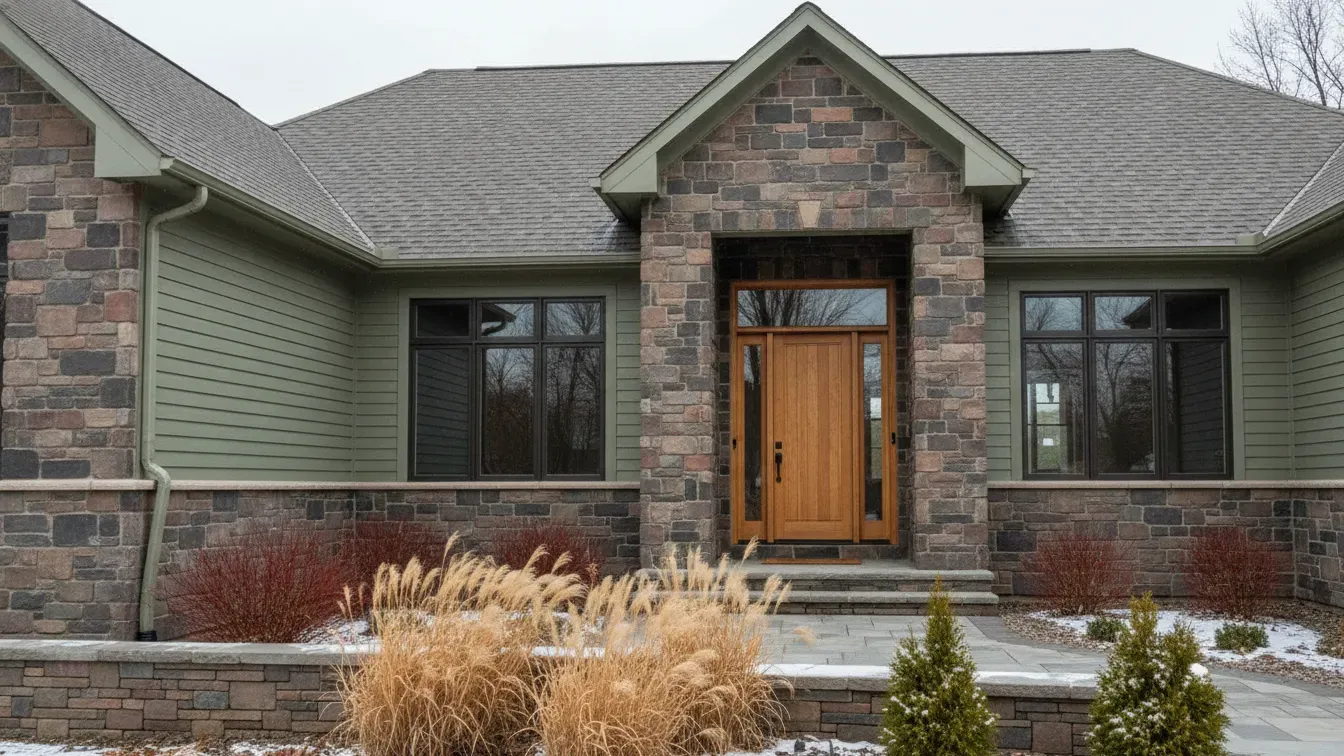
Start with the roof
Roof color covers a large visual area and is expensive to replace, so it should anchor the siding decision. A charcoal roof gives flexibility to warm gray, cream, blue-gray, sage, and some deeper colors. A brown roof often works with beige, tan, cream, warm gray, and muted green. A roof with several visible tones may call for a simpler siding color so the facade does not compete with itself.
Coordinate, do not exactly match
Siding and trim do not need to be identical to the roof. Matching every element can flatten the exterior. Instead, repeat a subtle undertone. Warm roof tones can connect with cream trim, wood accents, or beige stone. Cool roof tones can connect with crisp white, blue-gray siding, or charcoal accents.
Use trim to protect visual definition
Trim highlights windows, corners, gables, soffits, and rooflines. White trim creates a crisp contrast, while cream or light gray creates a softer transition. Dark trim can look modern, but make sure it does not disappear against dark siding. If the home has brick or stone, use the lightest or most neutral color in that masonry as a bridge between siding and trim.
Think about doors and accents
The front door is an opportunity for personality because it is easier to change than the siding. A muted red, deep green, navy, or natural wood tone can add character while leaving the main siding palette broadly appealing. Keep shutters, garage doors, porch furniture, and landscaping in the same conversation. The accents should guide the eye to the entry, not create a series of unrelated focal points.
Signature Home Pros works with CertainTeed siding options, including products associated with PermaColor Lifetime Fade Protection. Product selection, available colors, and installation details should be confirmed during a project consultation. If you are also considering cedar shake or another distinctive texture, review our cedar shake siding guide for Michigan homes before narrowing the palette.
Getting a Color Consultation Before You Buy
A siding color consultation should do more than show a row of samples. It should connect the proposed color to the home’s architecture, fixed materials, exposure, neighborhood, and maintenance expectations. Ask to see larger samples or a realistic rendering, and ask how the color behaves on the specific siding profile you are considering. Texture and shadow lines can change the way a color reads.
For the larger project picture, our Michigan siding materials, cost, and savings guide covers the replacement decision that sits behind a color consultation. Use both resources together so the final palette fits the material, budget, and long-term plan.
Bring photos of the front, sides, roof, brick, stone, windows, and landscaping. Note which features will stay and which may change. If resale is a priority, share your expected timeline and ask which parts of the design create the broadest appeal. A reputable contractor should explain tradeoffs rather than promise a guaranteed increase in home value.
It is also worth asking about installation details that protect the appearance over time. Confirm how the crew handles transitions at corners, windows, doors, rooflines, and masonry. Ask about ventilation, flashing, moisture management, cleanup, and who will answer questions after the installation. A color decision has the best chance of supporting resale value when the finished siding looks even, secure, and well integrated with the rest of the exterior.
Ready to choose a siding color with confidence? Contact Signature Home Pros for a free estimate.
Frequently Asked Questions
What siding color has the best resale value in Michigan?
No single siding color guarantees the best resale value. Warm gray, greige, cream, soft white, muted blue, and sage can all work when they complement the roof, trim, architecture, and neighborhood. The condition and installation quality of the siding matter as much as the color.
Does dark siding reduce a home’s resale value?
Dark siding does not automatically reduce value. It can create a strong, attractive exterior when the architecture, roof, trim, lot, and maintenance plan support it. Test dark samples in direct and indirect light, and make sure the palette does not make a small or shaded facade feel too heavy.
Is gray siding still a good choice for selling a home?
Gray can be a good choice when its undertone works with the roof and masonry. Warm gray and greige often provide flexibility, while a cool gray may look blue beside some roofs or brick. Review a large physical sample outdoors before ordering.
Should I choose siding color based on my roof?
Yes. The roof is usually a large fixed feature, so it should be part of the color plan. Choose siding that coordinates with the roof undertones, then use trim and a front-door accent to define the architecture. Avoid selecting siding from a sample viewed alone.
Can a siding color consultation improve my home’s resale appeal?
A consultation cannot guarantee a sale price, but it can reduce avoidable design mistakes. Reviewing large samples, fixed materials, sun exposure, neighborhood character, and maintenance needs can help you choose a coordinated exterior that appeals to more homeowners.
Sources: Zillow on exterior home improvements and curb appeal; HomeLight on siding and home value.
Recent Comments