
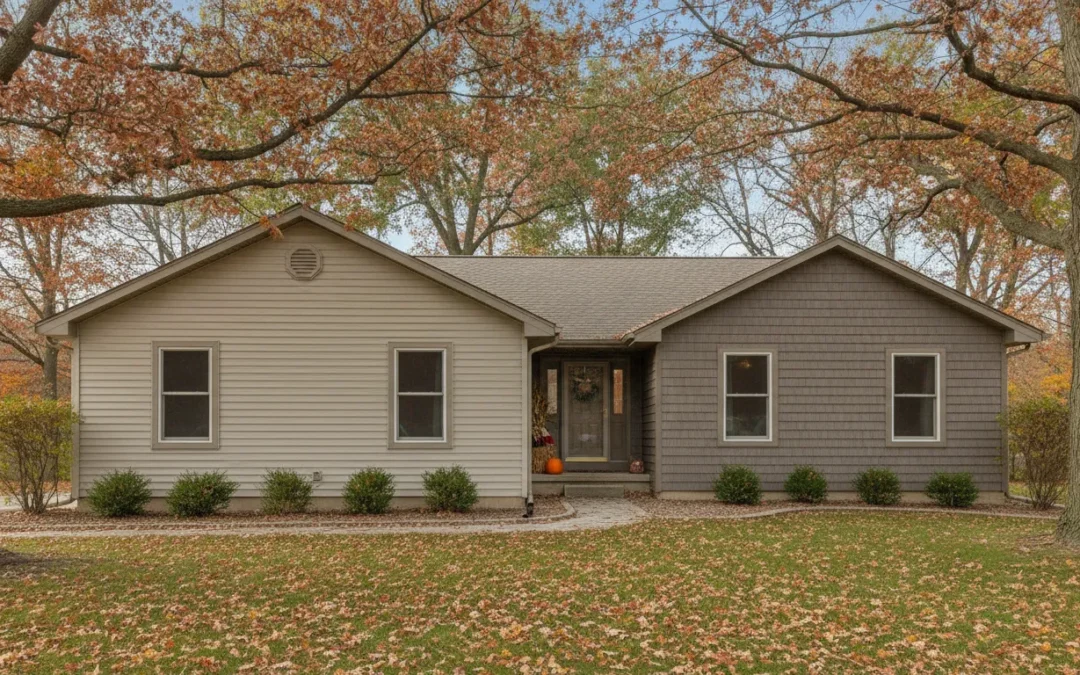
For Michigan homeowners, vinyl siding vs fiber cement siding michigan decisions involve more than comparing two product names. The right material should suit the home’s exposure, wall condition, design, maintenance plan, and complete installation scope. This guide explains the tradeoffs before you request an estimate. Material selection is only one part of the budget; use our new siding cost Michigan guide to compare preparation, labor, and finish details.
Schedule a no-pressure siding consultation with Signature Home Pros.
For many Michigan homes, vinyl siding is the practical choice when low routine maintenance, broad style options, and a potentially simpler installation matter most. Fiber cement may be a better fit when a homeowner wants a heavier, wood-like appearance and accepts more involved installation and finish care. Neither material is automatically best for every house.
Start with the broader Michigan Siding, Windows & Doors: Materials, Cost & Energy Savings guide, then use this comparison to focus on siding. The goal is not to choose from a sample alone. It is to understand how the material, the wall assembly, and the crew’s installation details work together.
What Should Michigan Homeowners Know About Vinyl Siding vs Fiber Cement Siding?
Vinyl siding is a lighter cladding system with low routine upkeep, while fiber cement is a heavier product that can provide a substantial, painted-wood appearance. Both can perform well in Michigan when flashing, drainage, fastening, trim, and wall preparation are handled correctly. The best choice depends on the home’s conditions and the homeowner’s priorities.
Michigan exteriors face snow, rain, humidity, summer sun, wind, and repeated freeze and thaw cycles. Those conditions affect the whole siding system, not just the visible panel. Water needs a planned path away from windows, doors, corners, roof-to-wall transitions, and the bottom edge of the wall. Fasteners and joints must also accommodate the selected product’s movement and installation requirements.
Vinyl siding is formed into interlocking panels, commonly in horizontal lap profiles. It can also be used for board and batten or shake-style accents. Fiber cement is made from a cementitious material reinforced with fibers. It is available in planks, shingles, panels, and trim. Because it is heavier and requires different cutting and handling practices, it should be installed by a crew familiar with the product system.
Before comparing colors or textures, inspect the existing wall. Rot, moisture damage, uneven sheathing, deteriorated trim, poor flashing, or multiple layers of old siding can affect either material. Covering a wet or unstable wall does not solve the underlying problem. A useful estimate explains what will be removed, what will be repaired, and how openings and transitions will be protected.
| Comparison factor | Vinyl siding | Fiber cement siding |
|---|---|---|
| Routine upkeep. | Usually low. | May require periodic finish maintenance. |
| Panel handling. | Lighter panels. | Heavier panels. |
| Appearance. | Many colors and profiles. | Substantial, painted-wood texture. |
| Project fit. | Useful for low-upkeep updates. | Useful when character is a priority. |
Why Do Homeowners Choose Vinyl Siding in Michigan?
Homeowners often choose vinyl siding because it offers broad design flexibility, low routine maintenance, and a relatively straightforward installation. It can suit a homeowner who wants a refreshed exterior without adding regular painting to the maintenance calendar. Correct fastening and water-management details remain essential in Michigan weather.
Vinyl’s main advantage is convenience. It typically does not need routine painting, so upkeep commonly involves inspecting panels, trim, caulk, and drainage paths, then cleaning the surface when needed. That can appeal to homeowners who want a consistent exterior appearance without planning for recurring finish work.
Design availability is another strength. Traditional lap siding can create a clean, familiar look. Board and batten, shake-style accents, and contrasting trim can add definition around gables, porches, and entry areas. Signature Home Pros documents CertainTeed siding with PermaColor Lifetime Fade Protection and a 200 mph wind resistance rating. Confirm the exact product and warranty terms in the project proposal.
Vinyl panels are lighter than fiber cement, which can make handling more efficient for an experienced crew. The installation timeline still depends on the size and shape of the home, removal requirements, wall repairs, weather, trim details, and the number of windows and doors. A lighter product does not make preparation or flashing optional.
Vinyl siding tradeoffs to consider
Vinyl is not damage-proof. A heavy impact can crack or puncture a panel, and strong sunlight can affect the appearance of some colors over time. Panels need room to move as temperatures change. Overdriven fasteners or panels installed too tightly can contribute to distortion, buckling, or visible waves.
Moisture management deserves equal attention. Vinyl itself does not absorb water like some building materials, but water can still reach the wall assembly through openings, transitions, failed flashing, or damaged trim. The installer should explain how the wall will drain and how the work will address vulnerable areas around windows, doors, utility penetrations, and rooflines.
When Is Fiber Cement Siding Worth Considering?
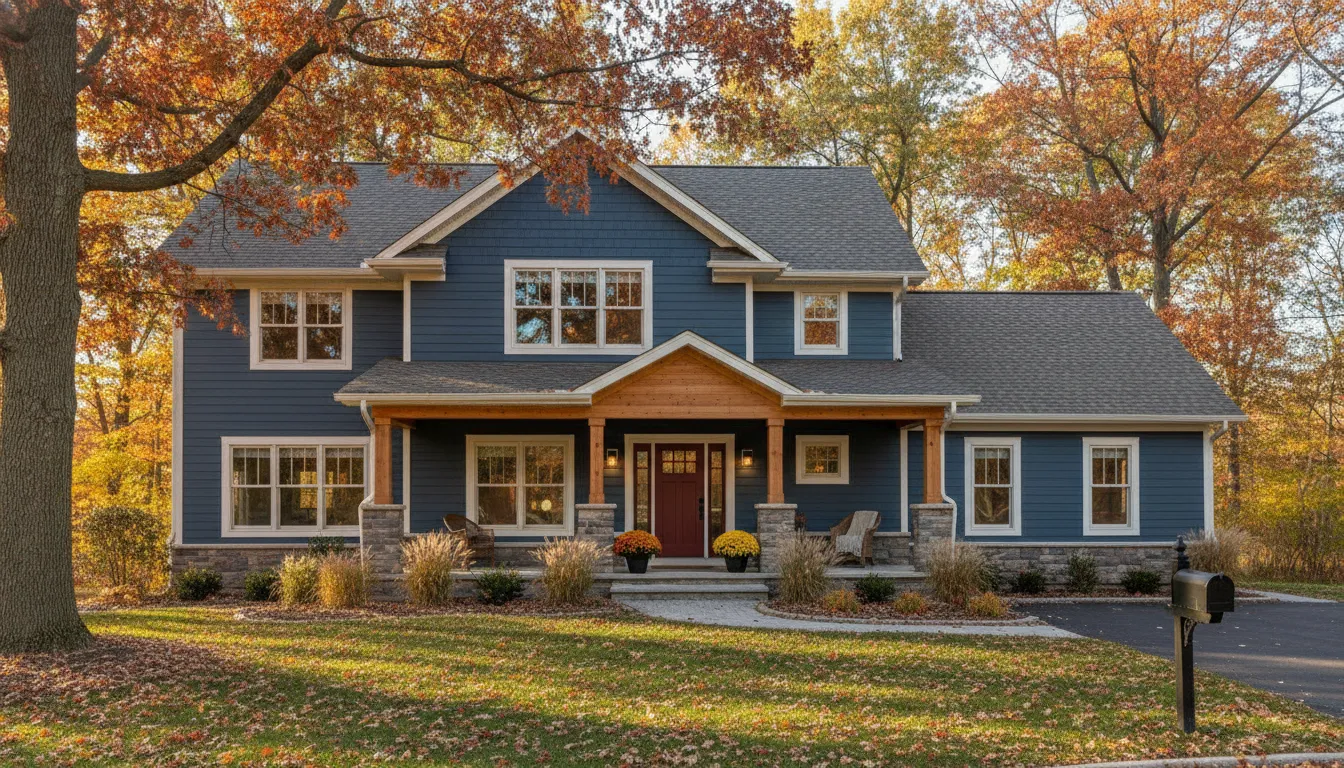
Fiber cement may be worth considering when a homeowner wants pronounced texture, a substantial feel, and a painted-wood appearance that complements the architecture. The tradeoff is heavier handling, more involved cutting, and possible periodic finish maintenance. Before selecting it, ask how the crew will manage joints, clearances, flashing, trim, dust, and future repairs.
Fiber cement can reproduce the appearance of painted wood siding, cedar-style shingles, or board and batten while offering a substantial exterior profile. That character can work well with older homes, craftsman-inspired designs, farmhouses, and exteriors where shadow lines and texture are part of the architectural plan.
Some homeowners consider fiber cement for exposed elevations because the heavier boards can feel more substantial than lightweight panels. That does not make fiber cement immune to damage. Hail, falling branches, poor installation, and water intrusion can affect any siding system. Product selection should follow an evaluation of the home’s exposure rather than a general claim that one material is always stronger.
Fiber cement installation and maintenance tradeoffs
Fiber cement is heavy and requires careful transport, staging, cutting, and fastening. Cutting can create dust, so the crew should use appropriate controls and follow the selected product’s installation requirements. Joints, clearances, flashing, penetrations, and trim must be planned so the completed wall can shed water.
The finish also needs attention over time. Depending on the selected product and finish, repainting or touch-up work may eventually be part of ownership. Ask what maintenance is required, how exposed areas should be inspected, how damaged boards are replaced, and how repairs will blend with the existing wall.
For background on a related fiber cement product category, read the Hardie board siding guide. Product details can vary, so use the selected manufacturer’s documentation and the written project scope rather than treating every fiber cement product as identical.
How Much Does Each Siding Material Cost to Install?
There is no dependable one-size-fits-all price for vinyl or fiber cement siding in Michigan. The estimate changes with wall area, home height, removal, disposal, repairs, trim, openings, flashing, insulation, product selection, and access. Fiber cement commonly requires more labor and handling, but an inspection is needed to compare complete scopes.
Material cost is only one part of a siding estimate. A contractor should account for measured wall area, gables, dormers, bump-outs, porch ceilings, trim, soffit and fascia transitions, and the areas around windows and doors. A simple ranch and a multi-level home with many corners can require very different labor even when their floor areas appear similar.
Removal may add scope when existing siding is damaged or multiple layers are present. The wall beneath the siding may need sheathing repairs or replacement. If there are signs of moisture intrusion, the estimate should explain what will be inspected and how repairs will be handled. The final scope should be based on wall condition, the amount of siding being replaced, the selected profile, and the details around openings and transitions.
Vinyl can sometimes have a lower installation cost because panels are lighter and faster to handle. Fiber cement may cost more because of weight, cutting, dust control, trim work, and installation time. That is a general comparison, not a quote. Avoid comparing two headline numbers unless both estimates include the same preparation, removal, trim, flashing, cleanup, and warranty assumptions.
Questions to ask before accepting an estimate
- Does the scope include removal, disposal, and inspection of the wall behind the siding?
- Are sheathing repairs, flashing, trim, caulk, and transitions clearly described?
- Which windows, doors, corners, gables, porches, and utility penetrations are included?
- What maintenance does the selected product and finish require?
- Which conditions could change the scope after the existing siding is removed?
- Who handles cleanup and how are damaged panels or boards repaired later?
For a home-specific review, compare the details of Signature Home Pros siding installation and replacement services with the written scope you receive. A clear estimate is more useful than a low number that leaves important work undefined.
Want a clearer siding budget? Schedule a project review before choosing a material.
How Does Vinyl Siding vs Fiber Cement Siding Michigan Perform Through Every Season?
Both vinyl and fiber cement can perform well through Michigan seasons when they are selected for the home and installed as complete weather-management systems. Flashing, drainage, fastening, joints, trim, wall preparation, and exposure often matter more than the material label alone. Vinyl may favor easy upkeep, while fiber cement may favor a substantial appearance.
Winter temperature swings test siding and the details around it. Panels and trim expand and contract. Snow and ice can collect near lower walls. Freeze and thaw cycles can expose gaps in poorly sealed transitions. A sound installation leaves water a path to drain, protects vulnerable openings, and avoids trapping moisture behind the cladding.
Wind exposure is another consideration. Open fields, lake-effect conditions, tall elevations, and exposed gables can experience more stress than protected properties. The crew should follow the selected product’s fastening requirements instead of treating all siding profiles the same. Ask how the installation will account for corners, end laps, starter strips, and areas near rooflines.
Summer sun affects appearance and can make some walls hotter than others. A color that looks balanced on a small sample may appear different across a large south-facing elevation. Ask about color retention, care instructions, and how replacement panels or boards could look if a repair is needed years later.
Installation quality can outweigh the material choice
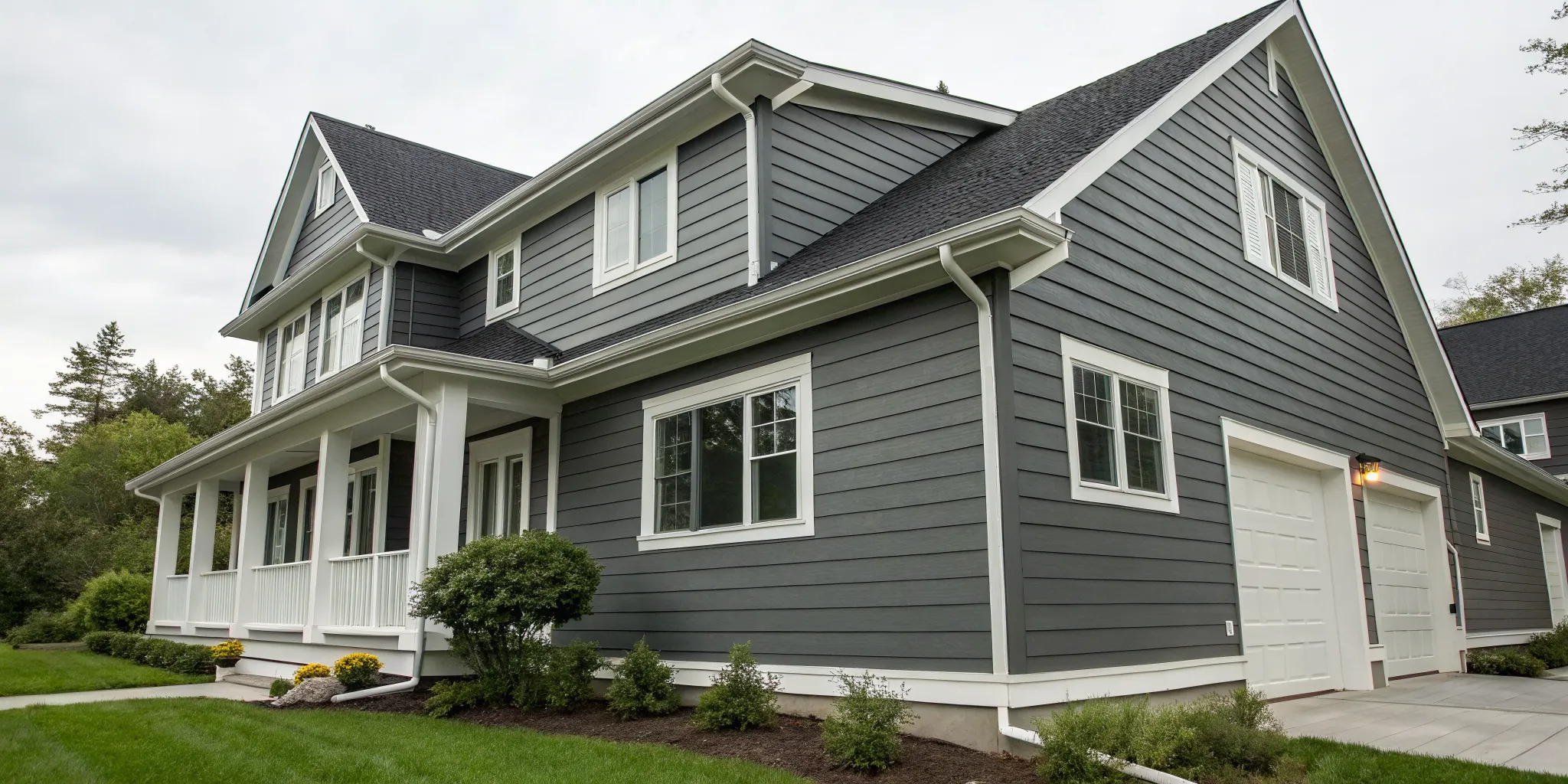
A premium product cannot compensate for missing flashing or a wall that was not properly prepared. Look for a contractor who explains how the crew will handle windows, doors, corners, roof-to-wall transitions, utility penetrations, and the bottom edge of the siding. Those details often determine whether a finished wall stays dry and straight.
Ask for a walk-through of the proposed system. You should understand where water will drain, how old materials will be removed, how damaged sheathing will be handled, and which trim products will be used. This conversation reveals whether the contractor is comparing complete systems or simply selling a preferred panel.
What Design Differences Matter for Curb Appeal?
Vinyl offers broad color and profile flexibility with simple routine care. Fiber cement offers pronounced texture and a painted-wood appearance that can add architectural character. The best choice depends on the home’s style, roof and window colors, trim plan, neighborhood setting, and willingness to maintain the finish.
Start with the architecture rather than the product name. A clean lap profile may suit a traditional ranch, while a combination of lap siding and shake accents can add interest to a gable. Board and batten can create a taller visual rhythm. The right trim width and color can make windows and entry doors look intentional instead of added as an afterthought.
Vinyl can provide a consistent, low-upkeep color across a large exterior. Fiber cement can create deeper shadow lines and a more painted, crafted appearance. Neither look is automatically better. The goal is a design that complements the roof, windows, doors, stone, gutters, and surrounding landscape.
Use full-size samples when possible. Small chips do not show how a color reads beside the roof or in direct afternoon light. Also ask how the selected material will be cleaned and how future repairs will be blended into the existing wall. A good design decision considers both the first impression and the work required to preserve it.
How Do You Choose Between Vinyl and Fiber Cement for Your Home?
Choose vinyl when low upkeep, broad style options, and a potentially simpler installation are your top priorities. Choose fiber cement when you value a substantial wood-like appearance and are prepared for more involved installation and finish maintenance. In either case, choose the contractor and weather-management details as carefully as the siding itself.
- Inspect the existing wall. Identify rot, moisture damage, uneven sheathing, old layers, and problem transitions.
- Define the design. Choose the main profile, accent areas, trim, color, and how the siding will coordinate with the roof and windows.
- Compare complete scopes. Confirm that estimates address removal, disposal, preparation, flashing, trim, and cleanup.
- Discuss maintenance. Ask how each product should be cleaned, inspected, repaired, and refinished.
- Review installation details. Ask how the crew handles openings, corners, joints, wind exposure, and drainage.
Signature Home Pros is a family-owned exterior renovation company headquartered in Flushing, Michigan, serving homeowners throughout Central Michigan. The company provides siding, roofing, gutters, windows and doors, and stone services under one roof. That single-source approach can simplify coordination when siding work connects with trim, roofing edges, gutters, or other exterior improvements.
Learn more about the company’s siding replacement process and compare the service approach with the questions in this guide. The best siding decision is the one that fits the home’s exposure, existing structure, appearance, and long-term maintenance plan.
Frequently Asked Questions
These answers address common questions about vinyl siding vs fiber cement siding michigan homeowners ask when comparing materials. Actual recommendations depend on the home’s wall condition, exposure, design, project scope, selected product, and the maintenance plan the homeowner is comfortable following.
What is the cost difference between vinyl and fiber cement siding in Michigan?
Fiber cement often requires more labor because it is heavier; it also needs careful handling and trim work. Vinyl may have a simpler installation profile; the actual difference depends on the home’s size, height, wall condition, removal needs, openings, trim, and selected products. A site-specific estimate is more useful than a general price promise.
Is fiber cement siding better for Michigan winters than vinyl?
Not automatically. Both materials can work in Michigan when the complete exterior system is installed correctly. Flashing, drainage, fastening, joints, and wall preparation are critical in snow, rain, and freeze and thaw conditions. Fiber cement may appeal to homeowners who want a heavier, wood-like exterior, while vinyl may appeal to those who want lower routine maintenance.
How long does fiber cement siding last in Michigan?
Service life depends on product quality, installation, exposure, moisture control, cleaning, and finish maintenance. Fiber cement is designed as a long-term exterior material, but it still needs inspection and care. Ask the contractor for the selected product’s maintenance requirements and warranty information rather than relying on a single lifespan number.
Is vinyl siding easier to maintain than fiber cement siding?
Vinyl is often easier to maintain because it typically does not require routine painting. It should still be inspected for impact damage, loose panels, trim problems, and moisture at openings. Fiber cement may need periodic painting or touch-up work, depending on the finish. The easier material is the one that matches your willingness to perform those tasks over time.
Talk With a Michigan Siding Specialist
Material samples can narrow the options, but an inspection and complete scope will show which siding system fits your home. Signature Home Pros takes a no-pressure approach to exterior renovation and can help you compare practical, design, and installation considerations before work begins.
Schedule your siding project review with Signature Home Pros.
Recent Comments